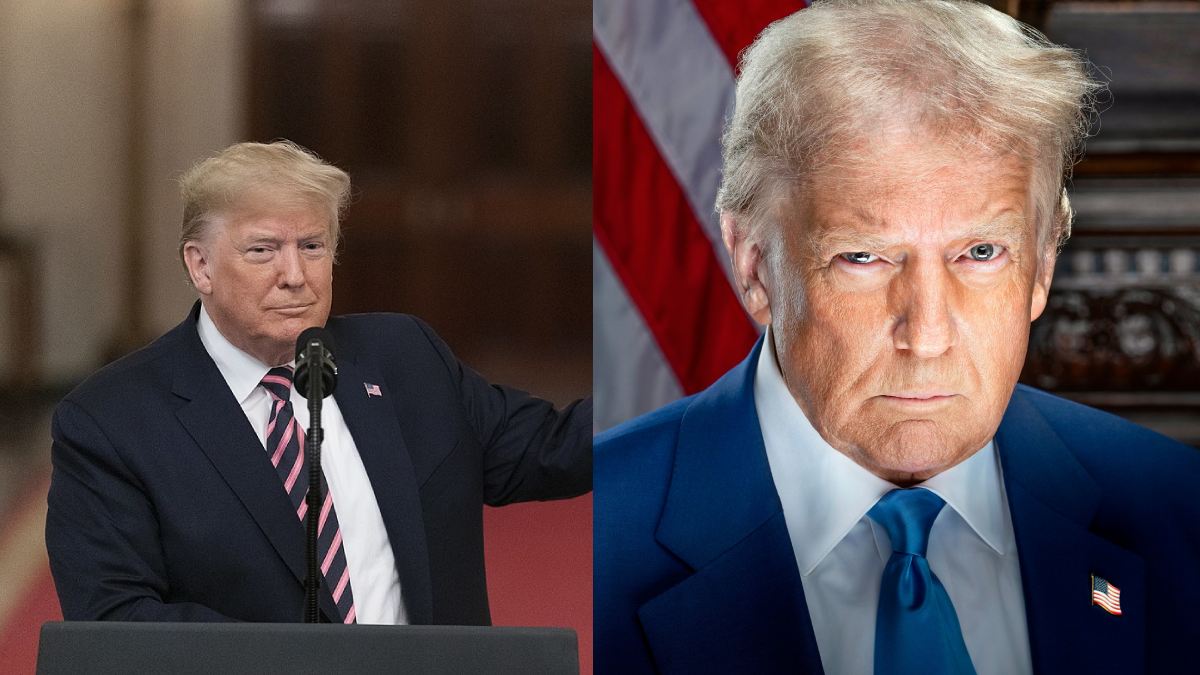
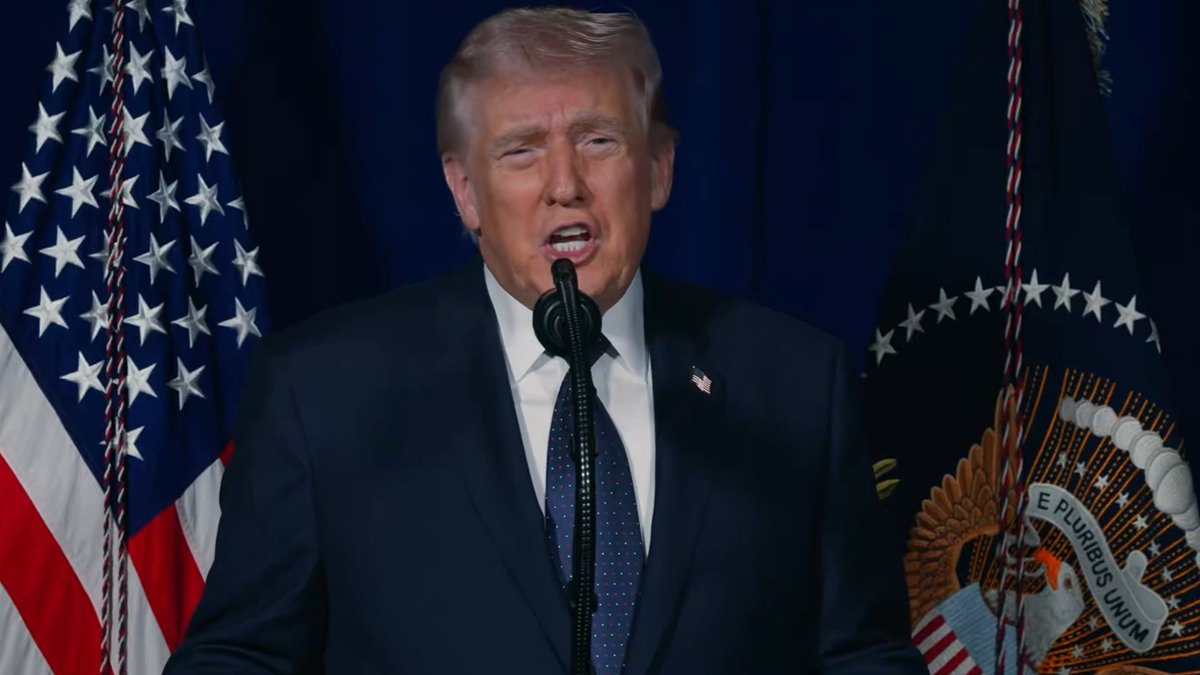
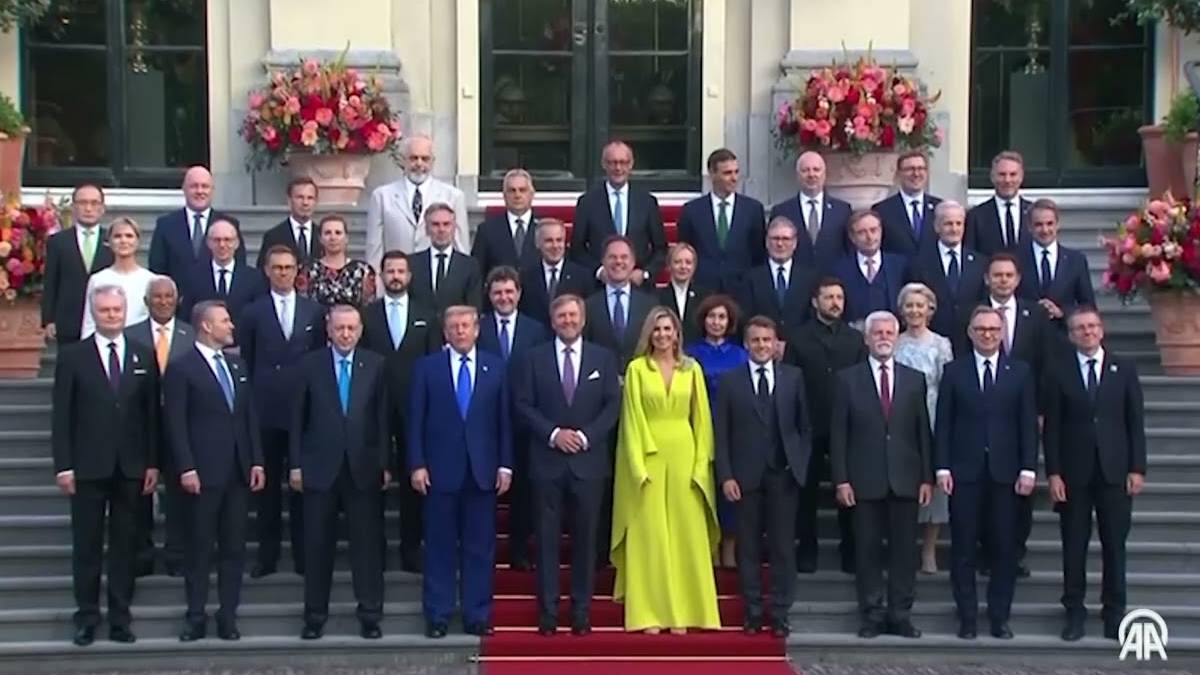
In one of his most aggressive foreign policy statements since returning to the White House, President Donald Trump has issued a dire ultimatum to the leadership in Tehran. Following a series of intelligence briefings regarding credible threats against his life, Trump took to social media and public addresses to warn Iran that any attempt on a U.S. President or candidate would result in the total destruction of the Islamic Republic.
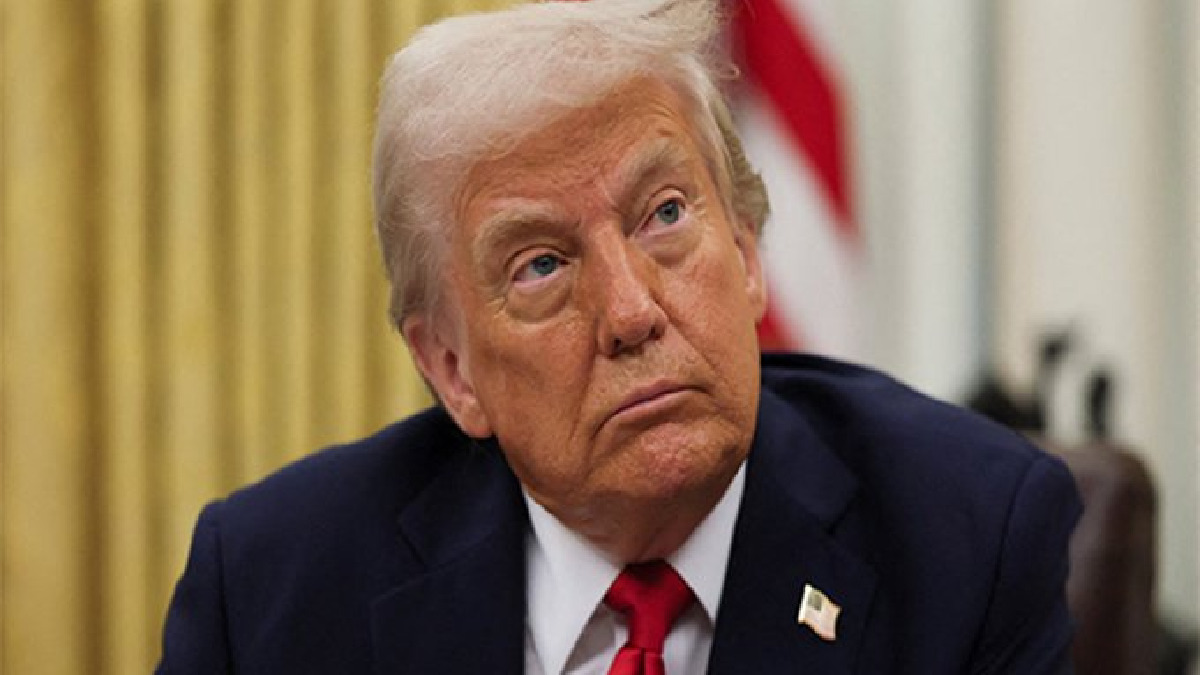
"If they do assassinate President Trump, which is always a possibility, I hope that America obliterates Iran," Trump stated, referring to himself in the third person during a recent rally. "I hope that they wipe it off the face of the Earth if they do that."
A Climate of Escalation
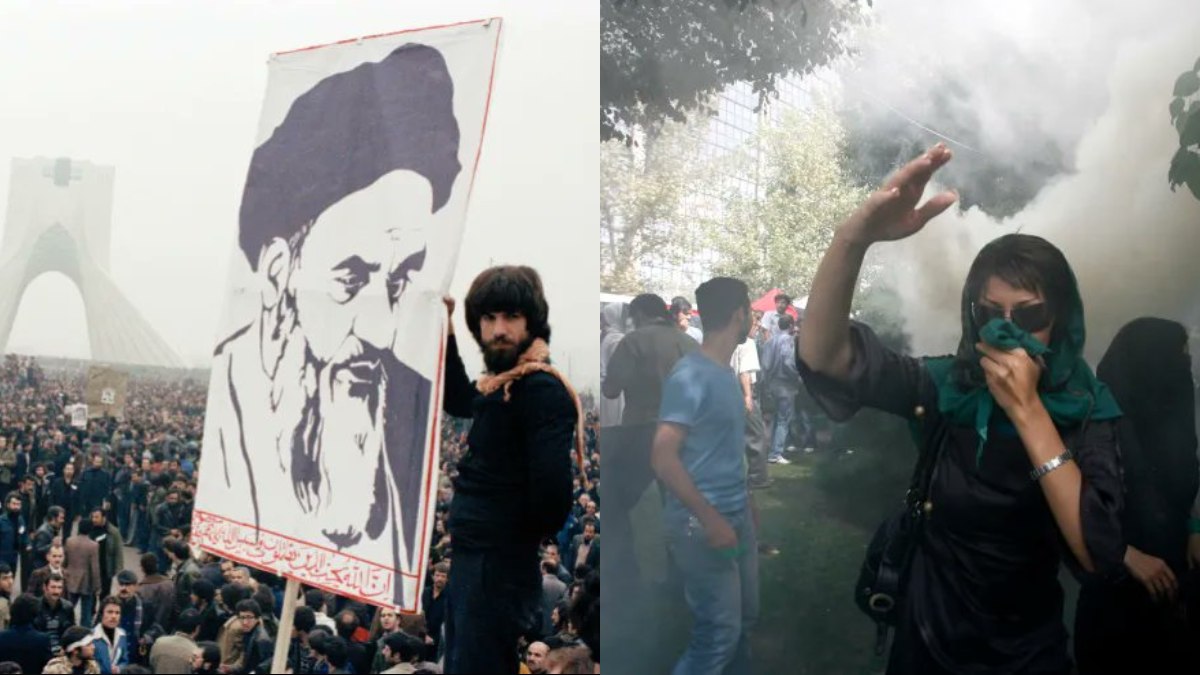
The rhetoric comes at a time of extreme friction between Washington and Tehran. U.S. intelligence agencies have reportedly tracked ongoing Iranian plots to avenge the 2020 killing of General Qasem Soleimani. These threats have escalated throughout 2025, leading to unprecedented security measures surrounding the President and his inner circle.
The Trump administration has characterized these threats as an "act of war," suggesting that the U.S. response would not be surgical or limited, but rather a catastrophic military retaliation.
The Strategic Shift
While previous administrations often used tempered diplomatic language to address state-sponsored threats, the current White House is leaning into a "peace through strength" doctrine that prioritizes overwhelming deterrence.
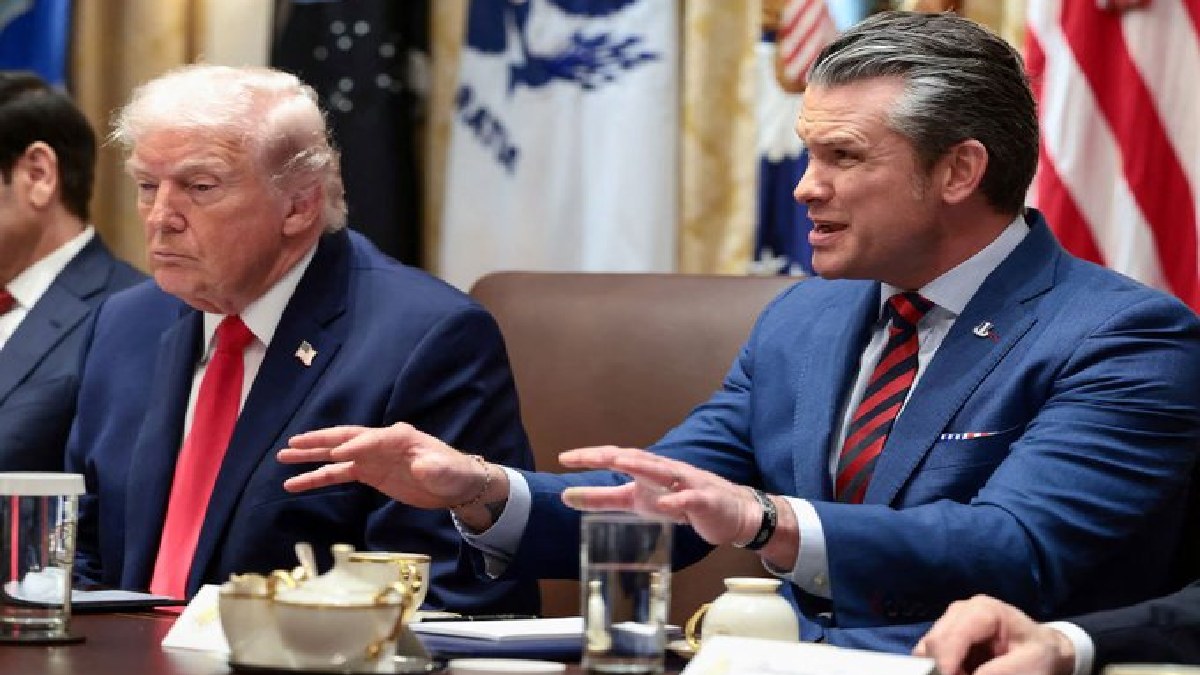
Key developments in the standoff include:
- Increased Surveillance: The U.S. has ramped up electronic monitoring of Iranian operatives abroad.
- Diplomatic Warnings: High-level messages have been sent through backchannels (likely via Switzerland) warning that any "kinetic" action would trigger a full-scale military response.
- Cyber Warfare: Reports suggest a spike in offensive cyber operations aimed at disrupting Iranian communication networks linked to the Islamic Revolutionary Guard Corps (IRGC).
Global Reactions
The international community has watched the exchange with growing concern. While many allies acknowledge Iran's history of regional destabilization, there is significant anxiety that a single spark or a perceived threat could ignite a regional conflict that the global economy is ill-prepared to handle.
Critics argue the rhetoric is inflammatory, while supporters maintain that only the threat of "total obliteration" is enough to keep Tehran's hardliners at bay.
"We are not looking for war, but if they touch a hair on the head of an American leader, they will pay a price that no country has ever paid before." - White House Press Statement