Tulsi Gabbard resigned as Director of National Intelligence (DNI) under Donald Trump after her husband was diagnosed with a rare bone cancer.
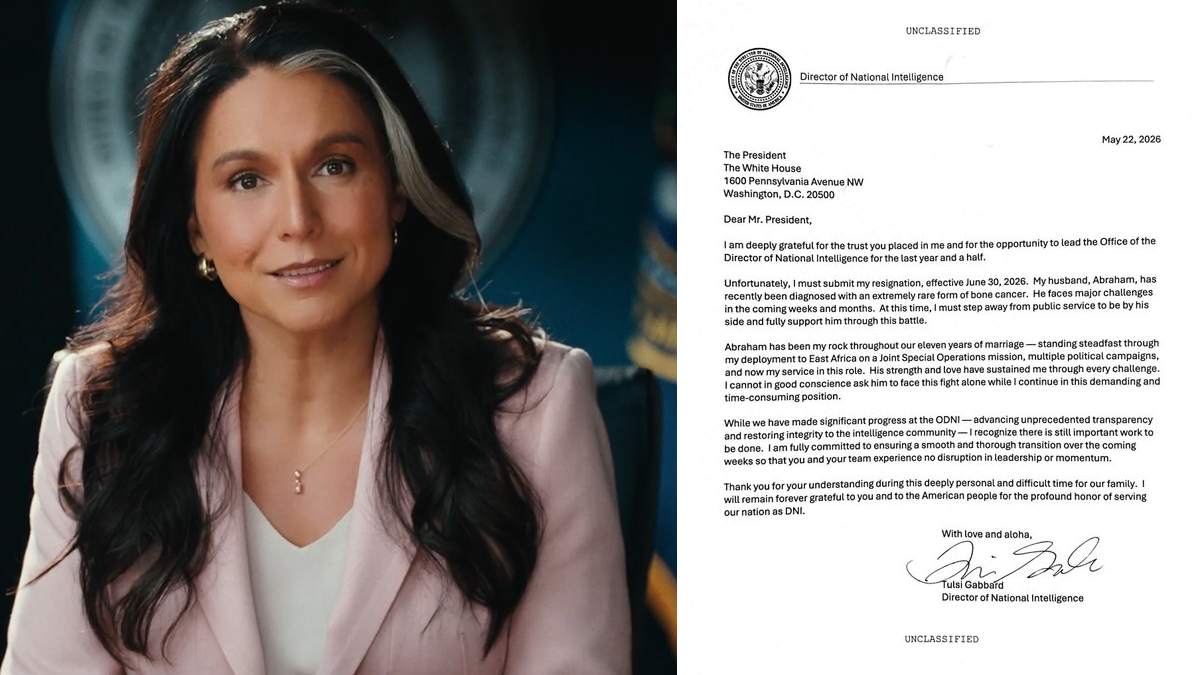
The surprise departure has catapulted Gabbard and her family’s personal issues to almost the heat of an all-out press and social media fire across the United States. The decision was said to follow a major and rare bone cancer case for Gabbard’s husband, who would need massive medical treatment and family support, according to reports.
The former congresswoman appears, no doubt, to have moved away from a focus on national security for which her men had to fear more, to a safety in her husband's health and family demands. The resignation is a major news event for Washington’s politics, especially because in recent months, Gabbard was one of the most closely watched political leaders in a country heavily intertwined with the Trump-era national security messaging.
While the specific steps taken to resign were not specified, Gabbard told several senior officials she had spoken to before making the official resignation from her security work. So far, there has not been any word of a permanent alternative announced at once.
An ex Democratic congresswoman from Hawaii, Gabbard has traditionally been one of the rare Democrats to employ this new style and is still a controversial figure in America, as her political beliefs evolve and her willingness to stray from convention has kept her front and centre on events.
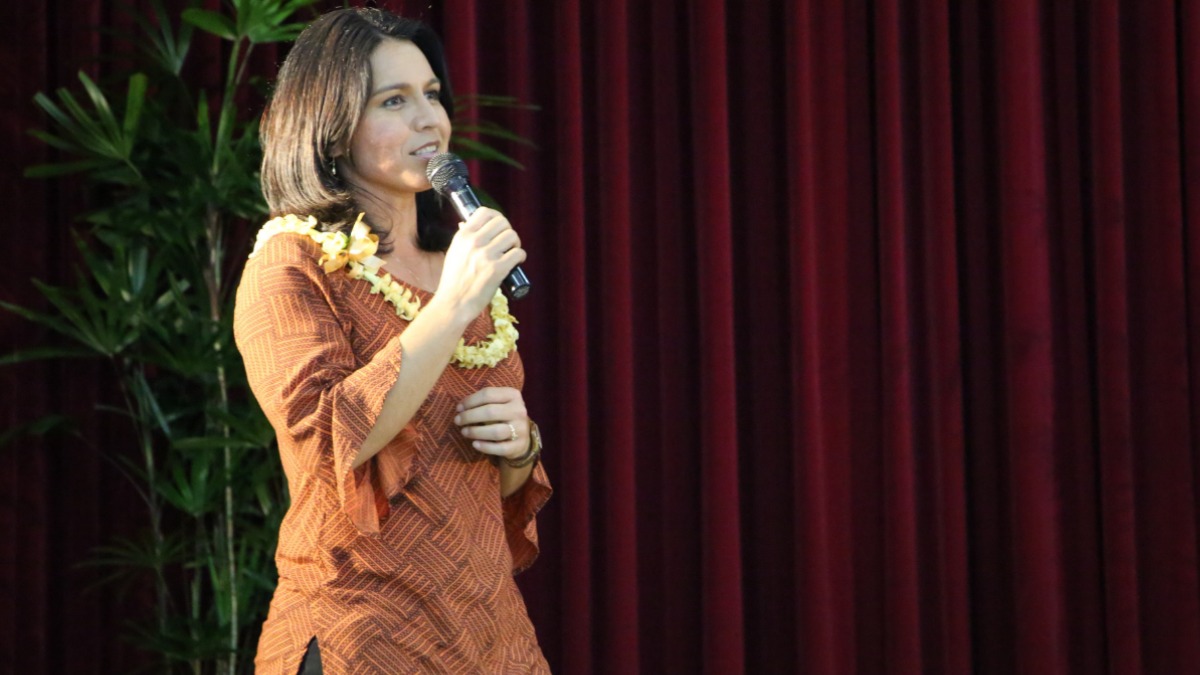
She rose to national prominence over the years during her military career, in foreign policy and in the 2020 U.S. presidential race. Her backing of Trump in the years since and later her role in national intelligence discussions provoked mixed reactions from supporters and detractors alike.
The story has shifted political attention away, however, almost entirely, and towards the personal health emergency that took hold of her family by virtue of the news of her resignation. Because rare bone cancers are complex, it pains patients to treat them, and it takes a long time to recover, they’re often considered hard. Medical experts say that such diagnoses could lead to enormous emotional and physical burden on the patients and their families.
And in some instances, treatment, surgical or specialised care, is what’s best; political leaders worldwide and figures from every part of the world have reportedly rallied behind her since the news broke. Most people on social media also expressed strong wishes, the hope of a cure for Gabbard's spouse's recovery.
The move has also reignited discourse around the sacrifices and emotional toll that many top government and intelligence officials exact on others. Senior national security roles typically involve punishing schedules, 24-hour briefings, travel duties and decision-making dynamics that can be difficult to keep up with in real-life family emergencies.
Wait until it all comes full circle, and you understand that leaving such a vital role is not just a professional act, it’s the truth for all of those in public office in this ever-worsening moment when the line between career and family business is often not clear-cut. Gabbard, while she had been in the headlines for weeks, the situation has sparked a more human response, even an emotional response, for many Americans.
And what we can now expect are questions about the future direction of the intelligence leadership profile after she leaves. Analysts believe the administration will respond swiftly to stabilise operations and reassure national security agencies during the transition period.
But supporters of Gabbard have cheered her choice to place family at the heart of her rare challenge, writing that during an emergency, service to the public shouldn’t come at the expense of family members’ well-being.