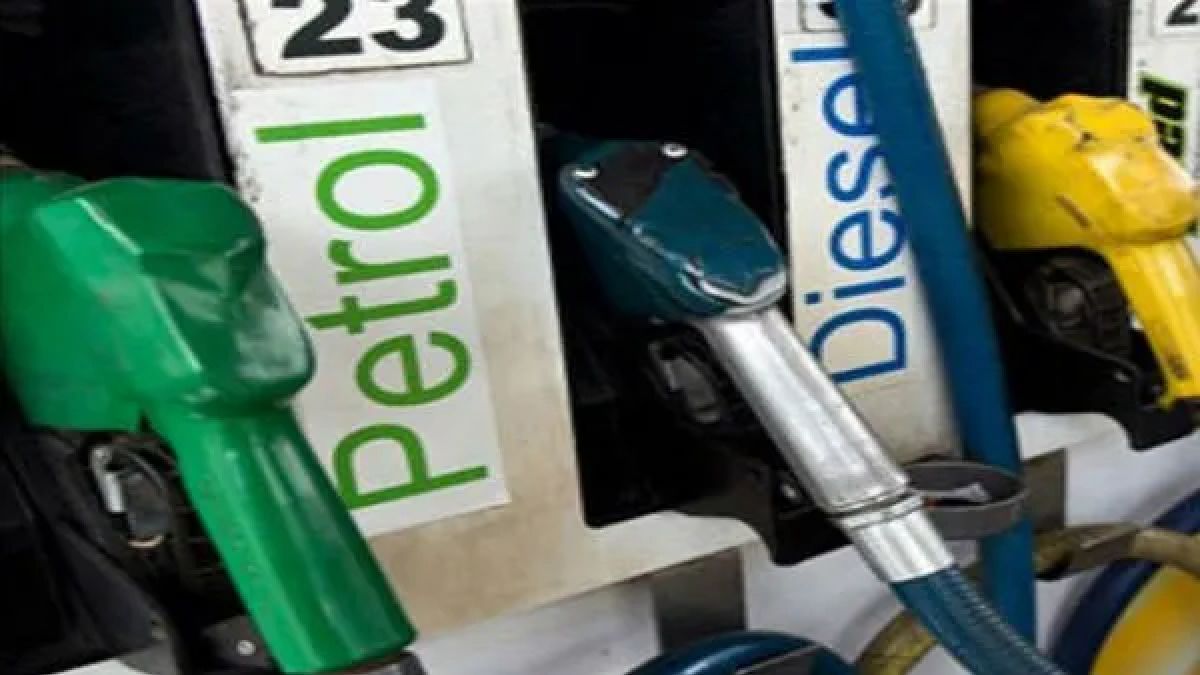
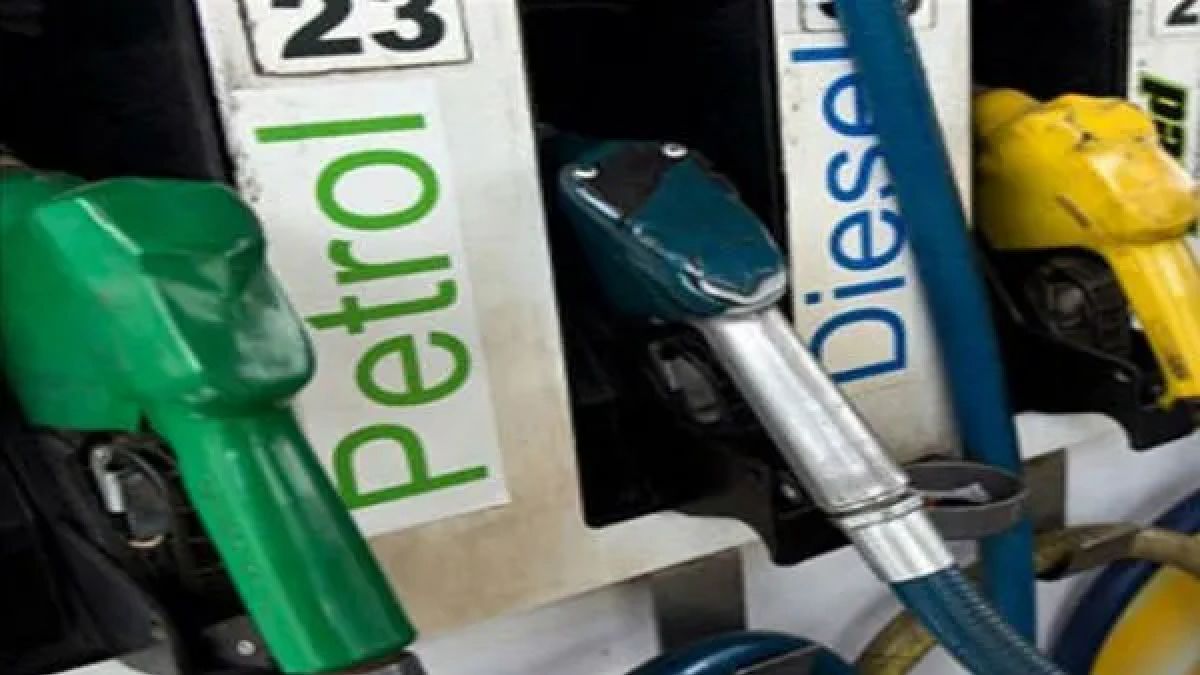
Petrol and diesel prices were increased yet again on Saturday, resulting in the third hike over a 10-day period as state-run oil marketing companies continue to pass on the effects of rising global energy prices stemming from conflicts in West Asia.
The most recent revision imposed 87 paise per litre higher petrol prices and a 91 paise per litre hike for diesel across several major cities. The most recent increase follows the first hike of petrol, which reached Rs 3 per litre on May 15 and another rise of about 90 paise on May 19.
Petrol and diesel prices collectively have surged nearly Rs 5 per litre within a span of 10 days, which was a strain on families' budgets and transport expenses.
Revised petrol prices in major metro cities now reach:
- Delhi – Rs 99.51 per litre.
- Kolkata – Rs 110.64 per litre.
- Mumbai – Rs 108.49 per litre.
- Chennai – Rs 105.31 per litre.
Updated diesel prices are:
- Delhi – Rs 92.49 per litre.
- Kolkata – Rs 97.02 per litre.
- Mumbai – Rs 95.02 per litre.
- Chennai – Rs 96.98 per litre.
Rising fuel costs are closely associated with the escalation of volatility on the global crude oil market, along with continued geopolitical tensions in West Asia, particularly the worries about the oil supply routes and stability of production in the Gulf.
India imports almost 85 per cent of its crude oil needs; the country is very vulnerable to international oil price shocks. The rise in crude oil prices has direct implications for the local cost of fuel and transportation and, eventually, the cost of basic goods and services.
The latest fuel spike follows a day when the Ministry of Petroleum and Natural Gas rejected speculation that fuel supplies were limited across the country.
Petrol and diesel supplies are stable and sufficient on a nationwide basis, the ministry assured citizens in an official statement. The ministry cautioned people against frantic spending to purchase fuel and told the public to only buy according to demand. The temporary pressure observed at particular fuel stations was also being addressed by monitoring for supply and with coordinated distribution by oil marketing companies, officials said.
Responsible consumption of fuels and cooperation with the public would ensure a steady supply during the period when fuel scarcity and geopolitical tensions grew, the authorities added. At the same time, economists and market brokers have cautioned that continued increases in fuel prices may cause wider inflation in certain areas.
Fuel and diesel prices that are higher also increase the costs of getting things from point A to point B, putting pressure on supplies like transport and logistics. All of a sudden, vegetable prices, food and other non-food items could also be pushed up. As a result, travel companies, delivery firms, taxi drivers and commercial vehicle owners will all take the hit of those high petrol prices.
Small businesses and middle-class families who are already facing rising living costs may be the hardest hit, industry observers say. The issue is being closely followed by some airlines and courier players, who wonder if fuel prices will eventually rise and impact airfares, freight charges and operating expenses for the rest of the board. Fuel prices in India are likely to continue to be further driven by international geopolitics and are expected to shift dramatically in the oil-producing West Asian regions.