Typhoon Bavi brought strong winds, torrential rains and rough seas to Japan’s southwestern Sakishima Islands on Friday, and Taiwan braced for widespread downpours as it moved through the East China Sea and its neighbors braced for heavy rain during the weekend’s heaviest season.
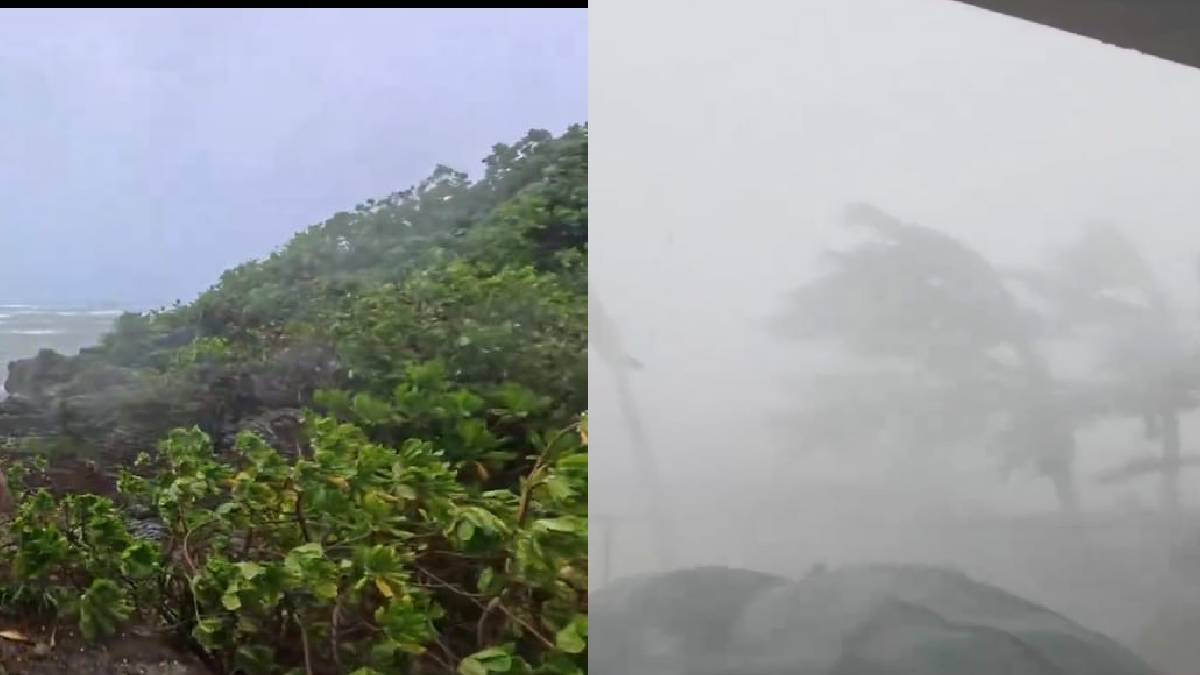
Japan’s Meteorological Agency issued warnings to residents of Okinawa Prefecture, in particular, for the Sakishima Islands, where strong winds and heavy rain made life very hazardous.
Residents should remain indoors, avoid coastal areas and prepare for possible disruption to transportation and power supply, people said.
The storm brought heavy waves and extremely hazardous sea conditions and fishermen and shipping companies were warned of the storm and that they should be worried and not enter the ocean for safety purposes.
Some flights and ferry services in the area have been delayed or cancelled as a precaution.
Taiwan’s Central Weather Administration warned that Typhoon Bavi could bring heavy to extremely heavy rainfall to many places on the island.
Mountain areas would get the highest amounts of rainfall, raising fears of flash floods, landslides and swollen rivers.
Emergency response teams were on standby in vulnerable districts and local governments advised residents in low-lying or mountainous areas to be on high alert.
Flood-prone areas and drainage systems were also checked ahead of the storm, local officials said.
Although the center of Typhoon Bavi did not make landfall in Taiwan, heavy rain bands of Typhoon Bavi are expected to hit much of the island. Tropical cyclones often create dangerous weather far from their center, particularly when they collide with seasonal monsoon winds, said meteorologists.
The Sakishima Islands, near Taiwan, are the focus of severe tropical storms frequently during the western Pacific typhoon season from May to October. Residents of the region have very good storm preparation skills they have built up their homes, stockpiled emergency supplies and are kept updated with weather advisories and public notices.
Climate change is making more severe rainfall events and stronger tropical cyclones more common in much of Asia, scientists say.
This is Super #Typhoon #Bavi smashing into Rota island, #UnitedStates🇺🇸 creating 150 mph ground winds and wind gusts between 180-215 mph. this shows the catastrophic winds occurring. it is expected for all homes to experience significant damage or is completely destroyed. pic.twitter.com/4H8RjsO50n
— Skellitor Titan (@Skellitor_Titan) July 6, 2026
Most countries in the region still have better forecasting systems and disaster preparedness that’s going to be less susceptible to severe weather.
Airline, ferry operators and local officials in southern Japan or Taiwan should consult with airlines, ferry operators, and local officials before leaving for a visit, as weather conditions may change very quickly. Schools, businesses, and public services in affected areas should be advised to talk to airlines, ferry operators and local authorities before leaving, given that conditions might change very quickly.
Typhoon Bavi is still moving through the region and meteorological agencies in Japan and Taiwan are following up closely on Typhoon Bavi’s path and intensity.
People should follow official advice and not travel in the path of the typhoon and take all precautions until the storm has safely passed.