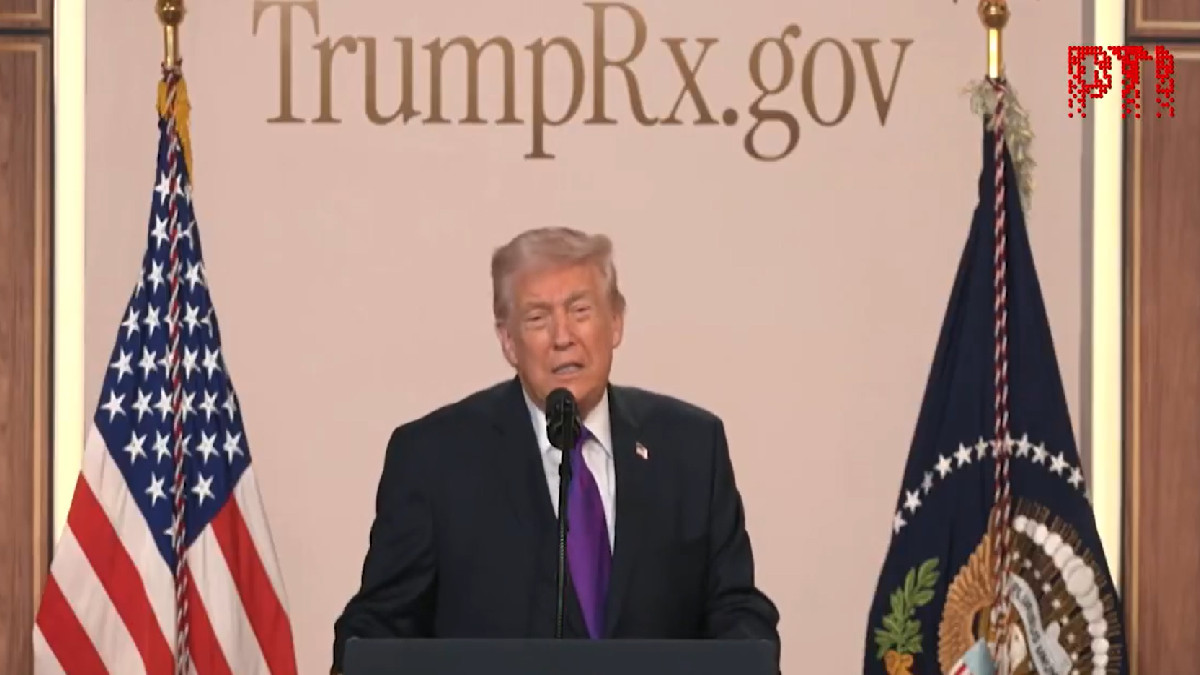
Recent geopolitical tensions have reached a boiling point after unconfirmed reports that the U.S. administration is now weighing unprecedented kinetic options against high-level Iranian leadership. Although the White House has not issued an official statement, sources close to the administration indicate that the President is "keeping all options on the table" to deal with escalating regional threats and alleged assassination plots against U.S. officials.
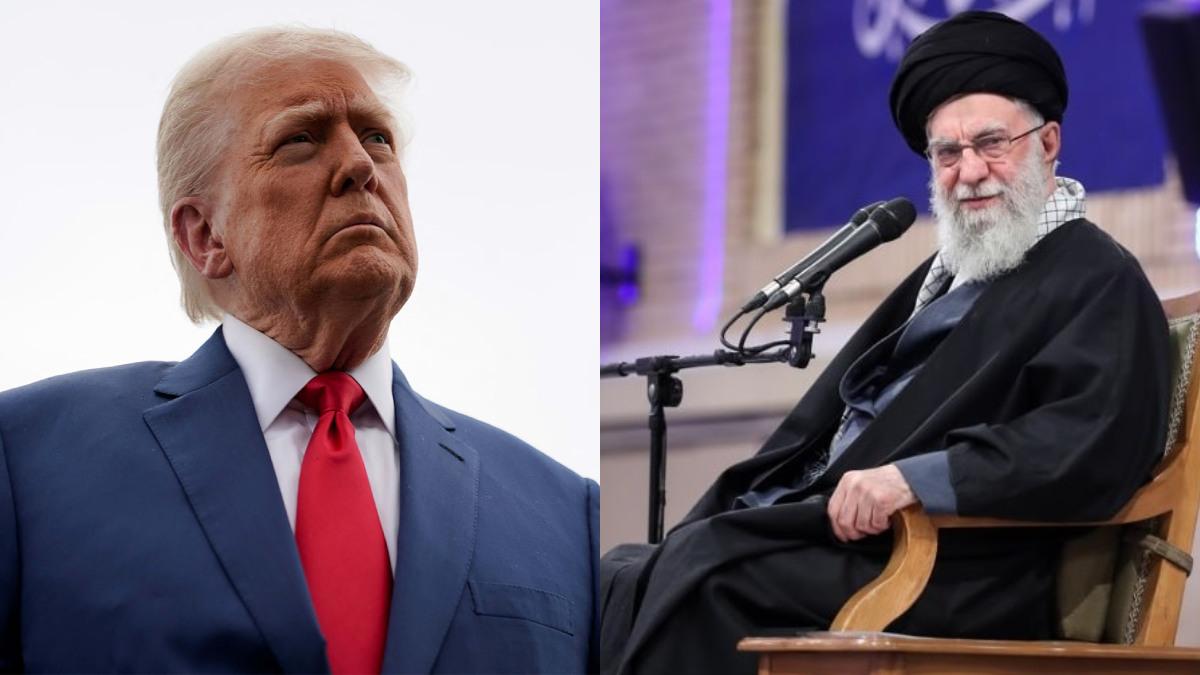
A Hardline Pivot in U.S. Foreign Policy
There have been several rumors about a move to a more aggressive “maximum pressure” campaign against the Islamic Republic, as discussed in a series of behind-closed-door briefings over the past week at Capitol Hill. Unlike the strategic patience of the past several years, the present administration has shown it would be willing to go beyond economic sanctions. According to anonymous informants on the National Security Council, the President has requested a full spectrum of military contingencies after intelligence reports of fresh Iranian threats against American soil.
“Keeping options open” has emerged especially in reference to Supreme Leader Ali Khamenei. Although assassinating foreign leaders is generally outlawed by U.S. law, the administration has previously argued that some individuals orchestrating state-sponsored terrorism can be classified as combatants within certain legal provisions.
The Catalyst: Alleged Plots and Regional Escalation
The rhetorical shift comes after a tumultuous beginning in 2026. It is said that intelligence agencies have been able to intercept communication on “active and ongoing” Iranian plots against high-ranking American politicians and military leaders. These threats are seen as part of Iran’s long-standing pledge following the death of Qasem Soleimani in 2020 to avenge that death.
The U.S. has greatly strengthened its naval presence in the Persian Gulf and the Eastern Mediterranean in response. Military analysts argue that even talking of targeting the Supreme Leader is a strategy of calculated psychological warfare that aims at deterring Tehran from continuing its escalation.
Global Reaction and Potential Fallout
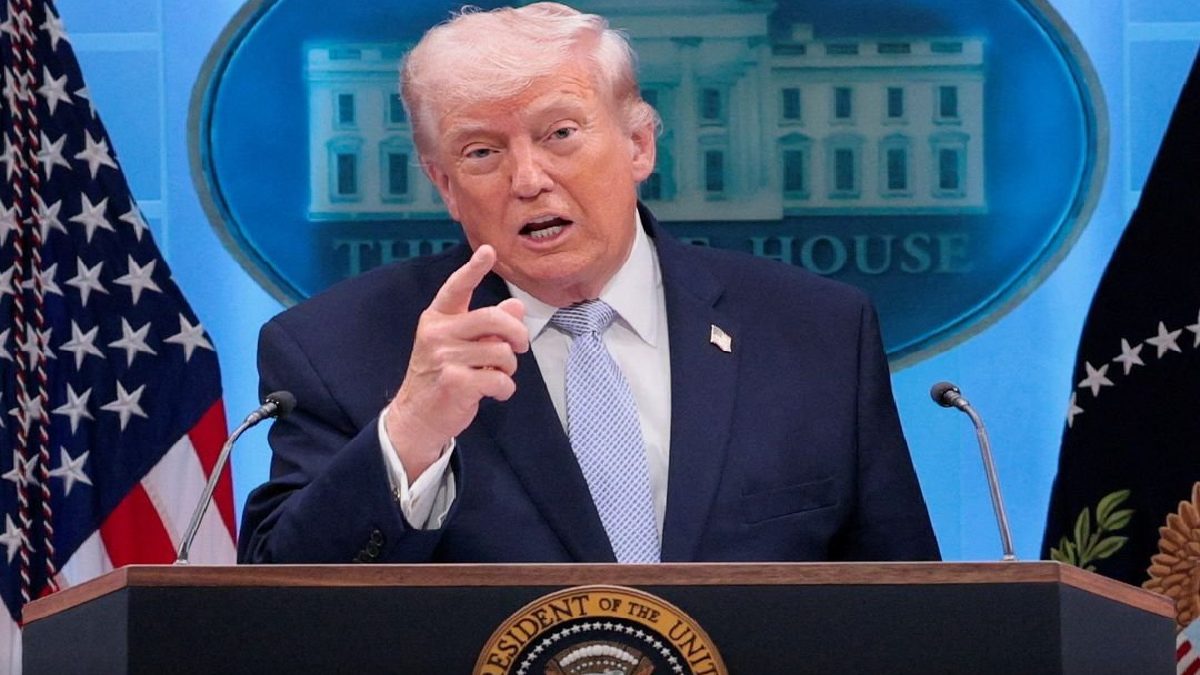
The international community has been alarmed by this response. Traditional European allies have called for “maximum restraint,” arguing that a direct attack on Iranian leadership would spark a full-scale regional war involving multiple nations. By contrast, some Middle Eastern regional allies have quietly indicated that they support a more “permanent solution” to the threat posed by the Revolutionary Guard.
Rhetoric has been equally defiant in Tehran. Iran’s government officials have warned that any encroachment on the Supreme Leader’s life would be met with an “unimaginable” response that could aim at global energy infrastructure and U.S. assets across the globe.
The Legal and Ethical Debate
The domestic critics of the administration have sounded alarms about the legality of such considerations. Constitutional experts insist that an executive order aimed at a head of state without a declaration of war would likely face significant legal challenges and may set a dangerous precedent. But, supporters of the President say, these “tit-for-tat” strategies of the past decade have not worked, and only a radical shift in strategy will ensure national security.
This remains fluid as of today. The talk of "assassination" may serve as a diplomatic lever only in the end, but the discussion of such options at the highest levels is a decisive and risky turn in U.S.-Iran relations for the worse.