The dramatic rise in fuel prices in the United Arab Emirates has forced drivers to rethink their daily travel, and some people are planning Dubai Metro trips, carpooling and remote working to cut back on their reliance on private vehicles. Petrol prices increased more than 16 per cent in October 2026, and household budgets and transportation costs across the country are now even more expensive.
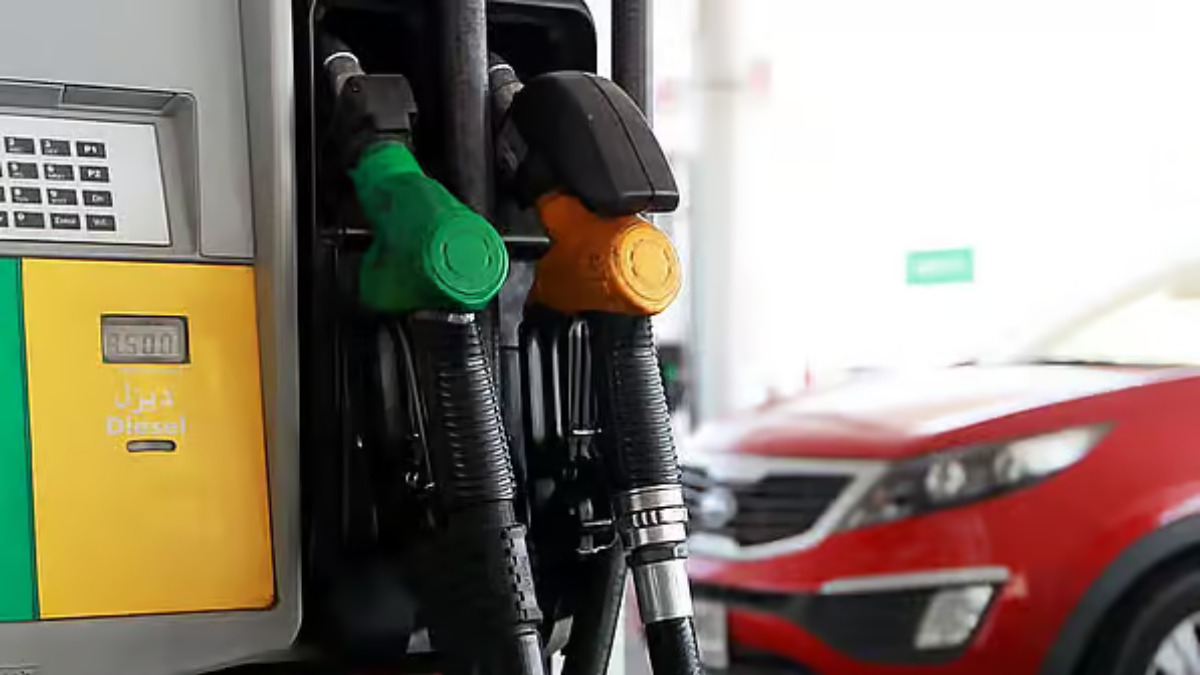
In the UAE's monthly fuel-pricing mechanism, the price of E-Plus 91 has been raised to Dh4.21 per litre from Dh3.61 in September, a 16.6 per cent increase. Special 95 petrol is now priced at Dh4.28 per litre instead of Dh3.69 for the same period, and Super 98 has been raised to Dh4.40 per litre from Dh3.80 per litre. Diesel has also increased in price from Dh4.30 to Dh4.80 per litre as per new rates that went into effect on October 1.
To some extent, the increase already affects how the residents plan their daily commutes. For people who drive long distances to work every day, even a small increase in the cost per litre is a significant increase in monthly cost. So there are some motorists who are looking to take public transportation rather than driving a car, and the metro stations are a few blocks away from their homes and work.
Residents in Dubai are also considering moving to the Metro. One resident said he spends about Dh700 to Dh800 per month on petrol, but he’d like to leave his car at home and take the Dubai Metro for his commute. A 30-day regular-class all-zone Nol pass costs Dh350 and could be beneficial for commuters who can use public transport for travel.
The calculation goes beyond ticket prices. Commuters need to account for the travel time, last-mile connection and the comfort of driving directly to their destination. But in Metro stations with people’s homes and offices near Metro stations the increase in fuel could make public transport more attractive.
Some employees are also considering asking their employers for greater flexibility. One resident working in Deira is going to talk about working from home for part of the week, as his regular petrol expenditure could increase significantly if he continues driving to the office five days a week. His monthly fuel spending is already beyond Dh1,200, the report said.
The impact is also being felt by employees whose jobs require frequent driving. Sales professionals and other workers who visit clients across Dubai and neighbouring emirates may find it difficult to completely eliminate car journeys. One sales executive who quoted in the report said he plans to group client appointments geographically and use the Metro for meetings at locations close to stations.
The price increase comes as international oil prices are rising and uncertainty remains in global energy markets. UAE fuel prices are adjusted monthly as part of a mechanism to mirror global energy market trends. The October rates are the third consecutive monthly increase, according to The National.
The higher prices also pushed UAE petrol rates above Dh4 per litre in all three petrol grades. Analysts and energy market observers have linked recent oil-price pressure to geopolitical tensions and disruptions in regional energy supply. But global oil markets remain volatile, so future UAE fuel prices will depend on developments in global crude and refined-product markets.
For UAE families, the recent increase will probably increase monitoring transportation expenditure more closely. Residents can start to compare the cost of driving with alternatives like Metro travel, buses, carpooling and flexible working arrangements in the future as well. If they can’t get away from driving due to work or family commitments, they would have to spend more of their monthly budget on fuel.
The price increase in October is also beyond the fuel station. It is now affecting commuting and workplace interactions, and household budgeting decisions across the UAE. Public transportation and flexible working could become more of an option for those who are tired of the high cost of daily travel.