Flydubai flight FZ1073 has raised new questions about one of the safest areas in a commercial aircraft: the cockpit. The Dubai-to-Tel Aviv flight was diverted to Tabuk, Saudi Arabia, on Sept. 30 after the two pilots had an ugly fight and one of them was seriously injured and triggered a rapid loss of altitude.
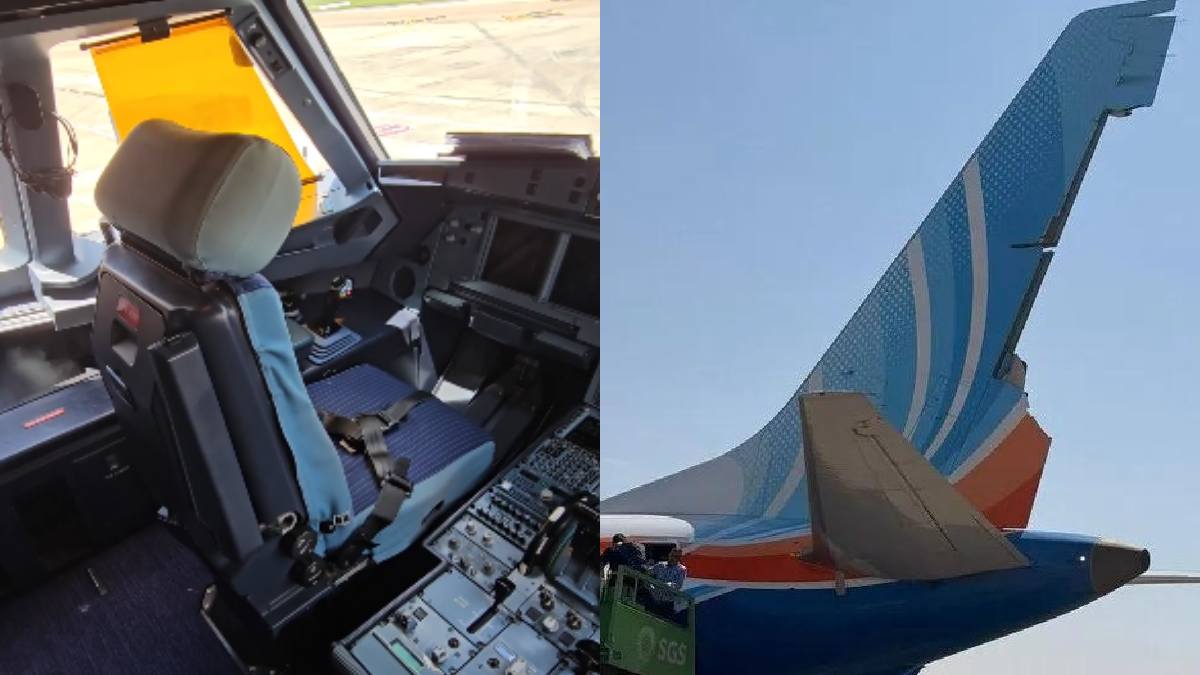
Israeli officials said the co-pilot had attacked the captain and tried to take over the plane but the exact sequence and motive remain under study.
The Boeing 737-8 MAX was carrying 174 people, according to reports. The aircraft dropped more than 14,000 feet in a short period of time during the crisis and the plane was in a lot of trouble but more crew members and passengers were able to manage things and eventually landed in Tabuk, reported reports.
How many people are normally inside a cockpit
On a typical commercial flight, such as FZ1073, the flight deck is operated by two pilots: a captain and a first officer or co-pilot. They fly and monitor the aircraft, and different duties are divided between them.
However, in the case of the FZ1073 incident, there were more Flydubai crew on board. Although the two operating pilots were injured during the confrontation, those competent crew members were able to assist in stabilising and landing the aircraft.
How secure is the cockpit
Commercial aircraft cockpits are designed to be highly resistant to unauthorised entry. Aviation security standards, introduced and strengthened after the September 11 attacks and implemented after the attacks in 2001, led to reinforced flight-deck doors in the flight deck and procedures designed to keep unauthorised people away from the pilots while the aircraft was airborne.
The Federal Aviation Administration says that flight deck intrusion resistance includes protection against forced entry and attempts using simple tools. Reinforced cockpit doors are designed to remain locked during flight, with controlled procedures governing when they can be opened.
That is an important distinction: the cockpit door is primarily designed to stop a threat from outside the flight deck. A person already authorised to enter the cockpit, such as a pilot, presents a different security challenge.
The FZ1073 incident illustrates this distinction. The fight started inside the cockpit itself, so the reinforced door could not stop the initial threat, according to reports. What the incident demonstrates is that cockpit security is much more than a physical barrier.
When things go wrong, crew procedures, communications, emergency procedures and availability of skilled personnel will be critical all at work.
What happens if a pilot becomes a threat
There is no single publicly disclosed procedure that can be used to describe every airline's response to an internal cockpit threat. Responses are affected by the circumstances, aircraft condition, crew availability and the security measures.
FZ1073: passengers and crew intervened after the cockpit struggle and more Flydubai pilots helped regain control of the aircraft. The aircraft was then diverted and landed safely in Saudi Arabia.
So the incident brings up an important aviation security question: how could an aircraft protect itself when the person with legitimate access to the cockpit becomes the source of the danger
Modern cockpit doors are very strong against unauthorised entry, but FZ1073 shows that aviation security also has to account for threats originating inside the flight deck.