The United Kingdom is preparing to introduce one of the hardest social media restrictions in the world, and its plan is to bar children under 16 from accessing big social media platforms such as Instagram, TikTok, Facebook, Snapchat and X.
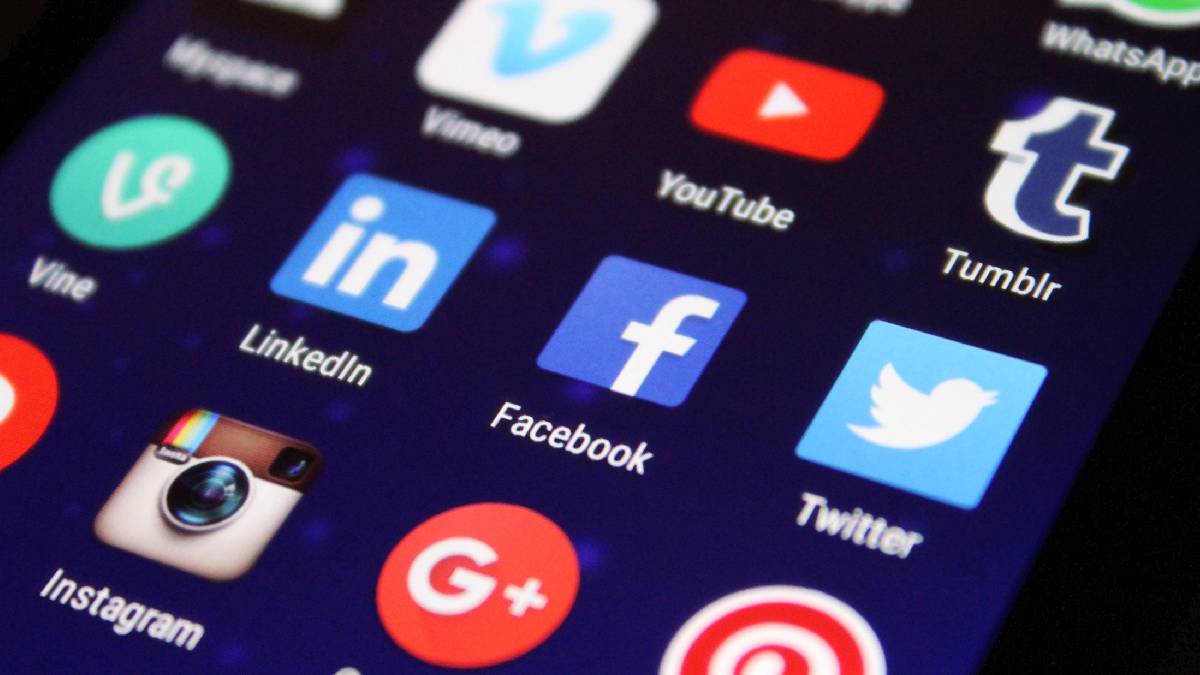
The move has fueled a global debate on online safety, children’s mental health and the growing influence of social media. But while the proposal sounds like a major challenge for tech giants, experts believe the financial impact on companies like Meta and TikTok may be smaller than many expect.
What is the UK doing?
The goal is to protect young people from harmful online content, cyberbullying, addictive algorithms and excessive screen time, the UK government says.
As Prime Minister Keir Starmer has said, social media is making it harder for parents to keep children safe and stronger action is needed. The government’s goal is to “give kids their childhood back” by limiting exposure to platforms designed to maximize engagement and screen time.
Children should have access to educational and useful online services with no constant exposure to the pressures and dangers of social media, officials say.

Will Meta and TikTok lose billions?
Probably not. While teenagers are a highly active part of social media communities, they are not the biggest source of advertising revenue. Advertisers usually pay more because adults have more spending power to reach adults.
Thus, the direct loss of under-16 users is unlikely to have an impact on Meta and TikTok’s revenues, which generate billions of dollars a year.The bigger issue will be compliance. And platforms will need to spend so much on age verification technology, moderation systems and safety measures to meet the new regulations.
The Bigger Business Concern
The real threat to social media companies is in the long term.Teenagers stay loyal users for years. If platforms cannot attract younger audiences until age 16, they may find it harder to build the next generation of users.
For now, the UK's proposed ban seems to be less about hurting Big Tech financially and more about changing how children interact with the digital world. It’s uncertain if it will work, but it could be a model for other countries trying to tighten online safety rules.