Ukraine has offered Russia a proposal to stop attacks on civilian targets in the Black Sea, a move aimed at safeguarding commercial shipping and guaranteeing the flow of vital agricultural exports, a source in Moscow said. Ukraine is waiting for a Russian reaction, it was reported.
The effort is being made at a time when attacks on ships and port infrastructure have intensified the pressure on one of the world’s most vital agricultural trade routes. Ukraine is one of the world’s largest exporters of wheat, corn, and other agricultural products, and its Black Sea ports have been involved in shipping these products to international markets for years. A prolonged disruption to shipping would be felt in countries that rely on Black Sea grain supplies.
The Odesa region is particularly crucial for Ukraine's export economy. Despite the ongoing war, ports in and around Odesa have been critical shipping and export ports for agricultural shipments. But despite repeated attacks, commercial operators are wary. Shipowners are said to be more reluctant to send vessels to Ukrainian ports after strikes have been conducted on maritime and port infrastructure.
The situation has forced Ukraine to consider alternative routes for moving its agricultural products. While land-based and other sea-based routes can provide some relief, they generally cannot replace the size and efficiency of the country’s traditional Black Sea export network. Disruptions can also increase transportation costs, complicate logistics, and delay deliveries to international buyers.
The Ukrainian proposal targets civilian targets instead of military ones. Kyiv's objective is most likely to be to protect the civilian vessels and port facilities used by merchants to do business. A reduction in the number of attacks could motivate shipping companies to resume or continue port calls to help Ukraine’s export capacity to a better level.
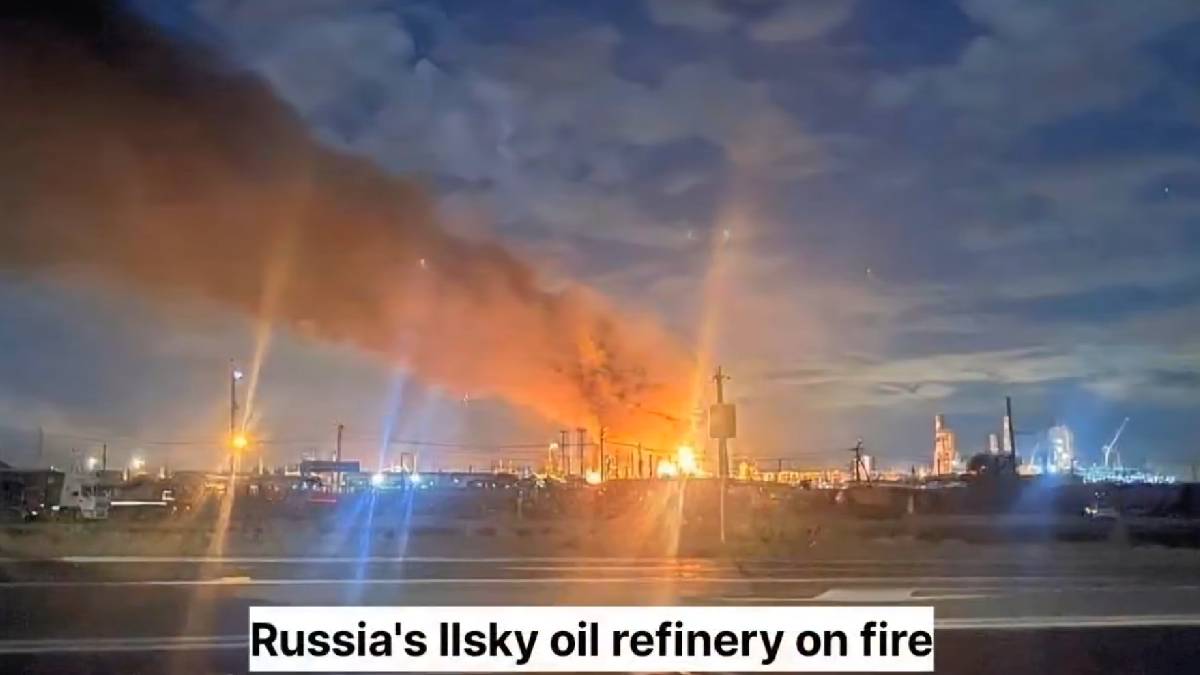
Russia and Ukraine have frequently accused each other of attacks and escalation of maritime infrastructure and vessels. The competing claims have added to uncertainty for shipping companies, which must consider security risks before entering waters connected to the conflict. For commercial operators, even the possibility of an attack can be enough to increase insurance costs and push companies to avoid a particular route completely.
The latest proposal also highlights the wider significance of the Black Sea to global food markets. Ukraine and Russia are major agricultural producers, and export disruptions have caused concern over grain availability and food prices. Agricultural shipments in Africa, the Middle East, and areas of Asia are particularly sensitive.
The international community has tried to form arrangements that allow agricultural exports to continue despite the war. Previous attempts had shown that limited understanding of maritime trade could, in principle, bring some relief to the global market, but it has proven difficult to sustain amid larger military and political tensions.
For Ukraine, keeping export channels open is also a matter of economics. The country’s economy has been badly affected since Russia’s full-scale invasion, but agricultural exports are still a major source of foreign currency and employment. Ukrainian farmers and exporters are still able to operate in the face of the trauma of the conflict and international markets.
For Russia, a response to the proposal has implications for international relations. Accepting measures to protect civilian shipping would lower immediate threats to maritime commerce, but the initiative could make international concerns about the safety of commercial vessels and global food supply chains more acute. Russia has yet to publicly respond to the reported proposal.
The proposal comes as shipowners and international traders monitor developments closely. A sustained improvement in maritime security could lead more commercial vessels to return to Ukrainian ports, while the next wave of attacks could drive shipping companies to find alternate routes and further pressure Ukraine’s export infrastructure.
So the next few days may be of great importance for Black Sea shipping. If Moscow responds positively and both sides can establish even limited protections for civilian maritime activity, the arrangement would reduce risks for commercial operators and ensure Ukrainian grain continues to go through. But given the broader military fight between Russia and Ukraine, it will take work to implement and maintain such understanding.
The stakes are even more important to global markets than on the battlefield. Grain flowing through the Black Sea continues to impact food availability, shipping costs, and agricultural prices in many parts of the world. Any mechanism that ensures civilian shipping security could thus have implications for Ukraine’s war economy and food security in countries far from the conflict zone.