The United States is also considering a new tariff of 7.5% on Chinese imports, potentially adding to the trade tensions between Washington and Beijing that are already high.
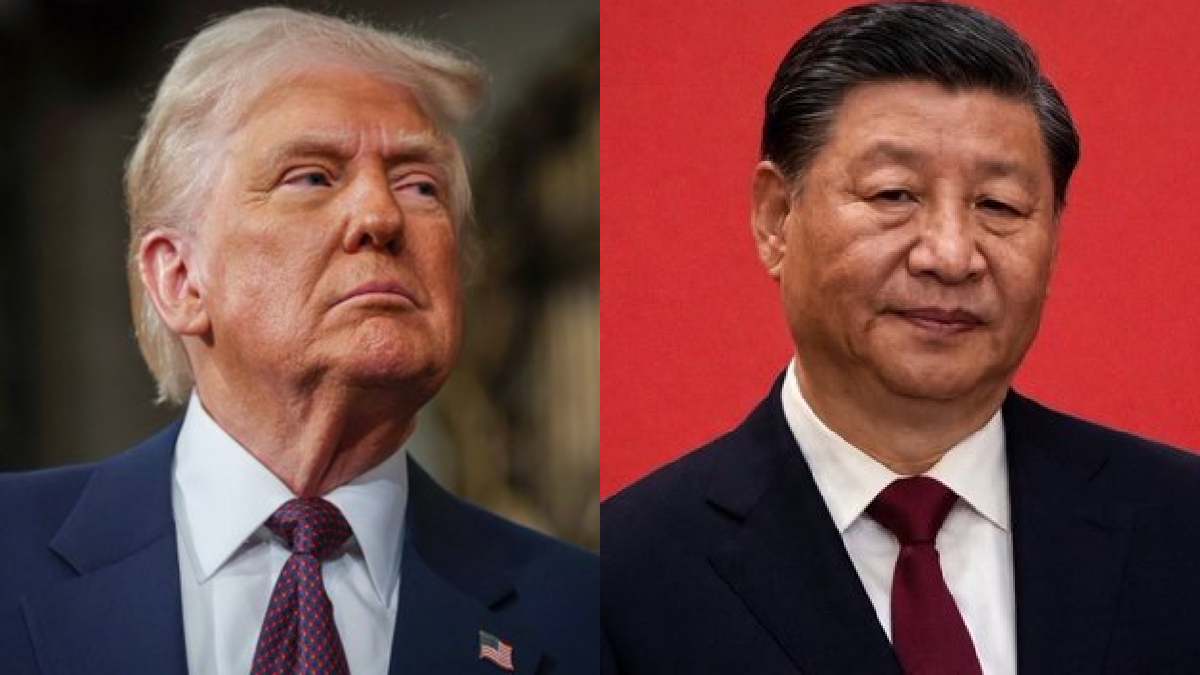
That is just weeks before a presidential meeting with Chinese President Xi Jinping and other Chinese leaders is due to take place in September, which is very important for the US-China trade relations.
The proposed tariff is apparently linked to concerns over China's industrial overcapacity.
Washington has been increasingly concerned that China’s large-scale production in electric vehicles, batteries, solar equipment, steel and other manufactured goods would put pressure on American companies and other global producers.
Why Is Washington Considering Another Tariff
The United States has been using tariffs as a major part of its trade policy toward China. The latest proposal would be proposed under Section 301 of the US Trade Act, which gives the US government the power to respond to unfair trade practices.
As the news about another 7.5% duty on Chinese goods could take the total tariff level from the current level of tariffs to a higher level of roughly 20% from Trump’s second administration, according to the reports.
This is important because it could allow Washington to respond to problems with Chinese exports without leaving behind the US-China trade relationship at large.
However, the proposal is still under consideration. And the final tariff rate, the products covered and the date of implementation could change before any official announcement.
China's Manufacturing Strength Under Scrutiny
The issue of overcapacity has become so frequently the cause of disagreement between China and several Western economies.
Chinese manufacturers have expanded production rapidly in industries like electric vehicles, solar panels, batteries and other clean-energy technologies. Their ability to produce goods at competitive prices has helped Chinese companies expand internationally.
But US officials have said excessive production will lead to cheaper exports entering international markets and make it hard for manufacturers in the USA to compete.
The criticism of China’s industrial capacity has been rejected by Beijing who says that Chinese manufacturing is not about unfair trade conditions but innovation, competition and demand.
Timing Adds Importance
The proposed tariff is a sensitive one because Trump and Xi will meet in September. Trade and tariffs will be at the forefront of the talks between the two leaders.
Washington could use the proposed tariff as leverage in negotiations, as Beijing may see another increase in duties as a threat to the existing trade arrangement.
But companies that rely on supply chains between the two economies will be at risk now because of the timing.
What Could It Mean for Businesses and Consumers
The new 7.5% tariff could raise the cost of importing affected Chinese products into the US. Companies could absorb some of the additional expense, raise prices or look for suppliers in other countries.
The extent of the impact would depend on the final list of products covered by the measure. If the tariff is broadened, even sectors with the biggest exposure to Chinese manufacturing might feel even more pressure.
The announcement, not only is the announcement will affect investors’ expectations about US-China trade relations and global supply chains, but also trade relations and global supply chains.
With the September summit coming up, much of the focus is now on whether Washington formally introduces the new tariff and how Beijing reacts.
In fact, the newly proposed move shows that trade still remains one of the most sensitive issues between the world’s two largest economies.