Chennai has been transformed with new air-conditioned electric buses rolling out in the city and its suburbs. These new electric fleet will be available from seven depots, a step towards cleaner and more comfortable public transportation and a step in advance of the state’s free travel for women and transgender people.
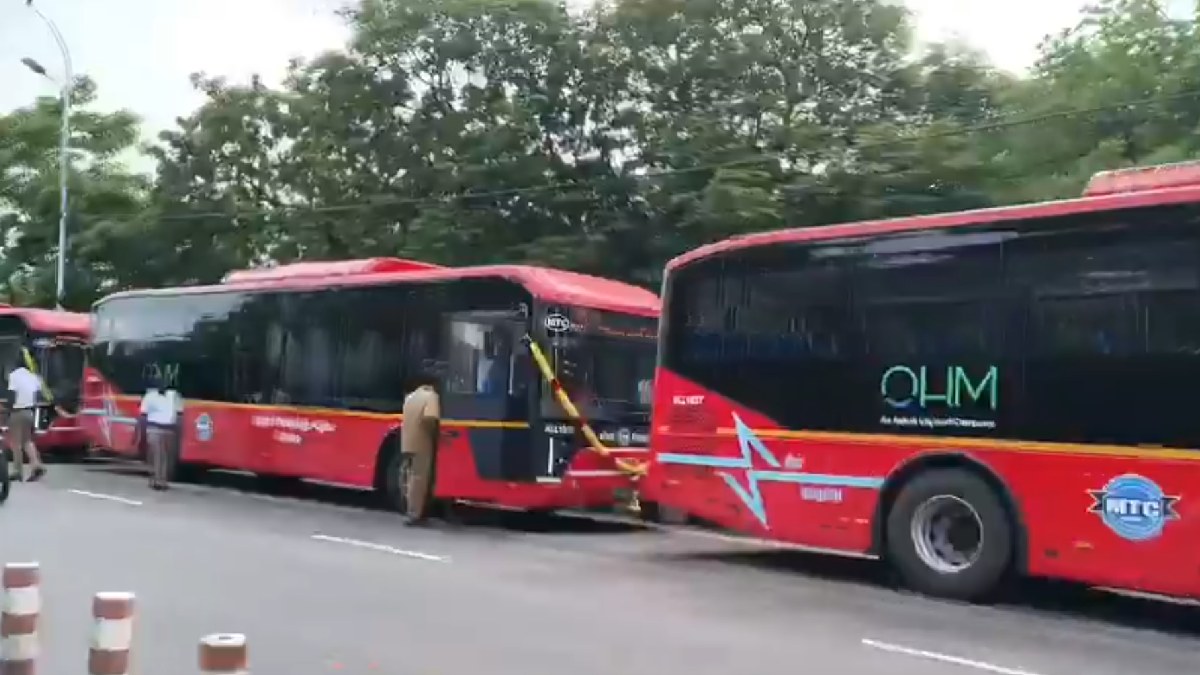
The new buses will make daily commuting more convenient for thousands of people who rely on the MTC services. And with air conditioning, electric propulsion and modern passenger facilities, the buses are an important addition to Chennai's rapidly evolving public transport system.
The new fleet also adds momentum to the Vettri Payanam scheme which offers free bus travel to women and transgender passengers. The programme has formed an important component of Tamil Nadu’s public transport policy, helping reduce commuting expenses for beneficiaries and promoting public buses.
The free travel programme is expanding further from October 2 as women and transgender passengers will receive free travel on deluxe and express services as well as new electric buses. The growth will help to boost the number of buses available under the scheme and passengers will have a greater choice on daily trips.
With the new services coming in, the total number of buses covered by the initiative will be over 3,600, officials said. More than 25 lakh women every day will benefit from the expanded arrangement, officials said. The change is particularly significant for commuters travelling during peak hours when Chennai’s roads and public transport services are most often in demand.
Air-conditioned electric buses may also contribute to the growing need for more comfortable public transportation in Chennai. Traditional buses can be crowded and uncomfortable in the hot and humid climate, so air-conditioned services are attractive to regular commuters. Electric buses will provide a quieter ride with less reliance on fossil-fuel powered vehicles.
This is also indicative of the wider drive towards electric mobility in urban transport. Electric buses will cut the tailpipe emissions and improve city air quality with respect to diesel buses. In a major city like Chennai they could play a role in keeping public transport more eco-friendly as well.
For women commuters, the expanded free travel facility could provide both financial and practical benefits. Bus fares are a considerable monthly cost for people travelling to work, educational institutions, markets and other places every month for work in the city. If we expand free travel to more kinds of buses, this type of bus could be more accessible to all and in turn the programme could make bus trips for women easier and encourage more women to use the bus for their daily commute.
The inclusion of transgender passengers also serves the larger social goal of making public transportation accessible to different parts of society. If the scheme were expanded to the entire fleet and more routes and services were available to the people to use, they wouldn’t have to worry about extra trips.
AC electric buses that will be launched today by Chief Minister Joseph Vijay for public service. pic.twitter.com/64fZ7CZwqm
— Vignesh Theni (@Vignesh_twitz) August 25, 2026
The new electric buses have also inspired great enthusiasm from local residents and the modern buses are seen by many people as one of the city’s best public transport upgrades. But their success, apart from their appearance, will depend mostly on their reliable operation, reasonable coverage and being able to meet Chennai’s massive daily passenger demand.
As the expanded scheme takes effect, commuters will be closely monitoring how the additional buses affect crowding and waiting times. Free travel and a bigger electric fleet can be very helpful for Chennai’s public transport system.
The latest rollout is a convergence of two key priorities: affordable public transportation and cleaner urban mobility. Now that 750 AC electric buses are on the market and the Vettri Payanam scheme is set up to cover more services from October 2, Chennai is positioning itself for a bus network that is much more accessible and greener for the people and the environment.