The House of Representatives has narrowly approved the National Defense Authorization Act (NDAA) for Fiscal Year 2027, which allocates about $1.15 trillion for defense spending in some form. The bill is the nation’s largest military funding bill and comes as the United States continues military operations in Iran.
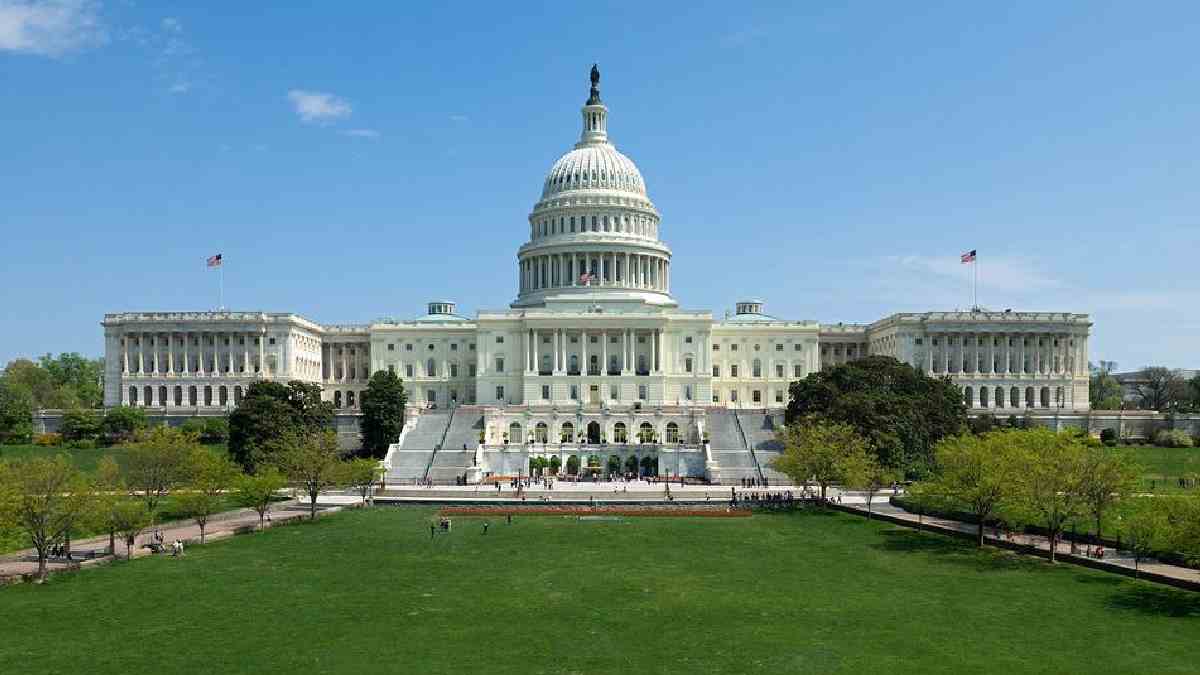
Hence, the bill was passed by 216-212, highlighting sharp political divisions over defence priorities and the administration’s response to the conflict.
Narrow vote shows divide is deep
The House passed the defence bill by a slim margin, with the majority of the votes coming from the party.
The close result underlines growing disagreements among lawmakers on:
- Defence spending levels
- Military involvement in overseas conflicts.
- National security priorities.
- Budgetary pressures and federal spending
Supporters said the legislation was needed to keep our military at full strength, modernise the armed forces and respond to the world’s evolving security risks.
Opponents were concerned about the extent of spending and said if more money is needed, that would be seen as an unwise expenditure while other countries are debating US involvement throughout the world.
What the Defence Bill contains
The National Defence Authorization Act (NDAA) serves as the annual policy legislation that authorises defence programmes and spending priorities for the U.S. Department of Defence.
The FY2027 bill includes funding for those such as:
Military operations and readiness
Modernisation of weapons systems
Procurement of military equipment
Research and development
Cybersecurity and emerging technologies
Personnel pay and benefits
Strategic deterrence initiatives
Although the NDAA authorises defence programmes, separate appropriations legislation is generally needed to provide the actual funding.
Iran Conflict Shapes Debate
The legislation comes as US military operations continue with Iran, and national security is now at the heart of the House’s debates.
The bill’s proponents said that more defence funding would be needed to support American forces’ capacity and readiness at a time of high regional tension.
But critics were concerned about the long-term costs of military engagement in a more general sense and about the administration’s broader strategic approach, and there was a lively debate in advance of the final decision.
Senate Consideration Next
The legislation now moves to the US Senate, where it is expected to be debated and possibly amended by senators in the future.
If the Senate votes differently from the House, lawmakers of both chambers will then work out a compromise to get the legislation to the President.
The final defence package could therefore differ from the version approved by the House.
Significance of the NDAA
The National Defense Authorization Act has been enacted annually for decades and is one of the most important pieces of US legislation related to national security.
Apart from authorizing defence spending, the bill often includes provisions affecting:
Military personnel policies
Weapons procurement
Defence research
International security partnerships
Military infrastructure
Strategic planning
The legislation is getting more attention as it is the year for record spending, and it is linked to ongoing geopolitical tensions in the Middle East.
The Senate will decide how much and how big the budget of FY2027 would be, and legislators will have to balance national security for a longer time with fiscal priorities as the bill is being passed through Congress.