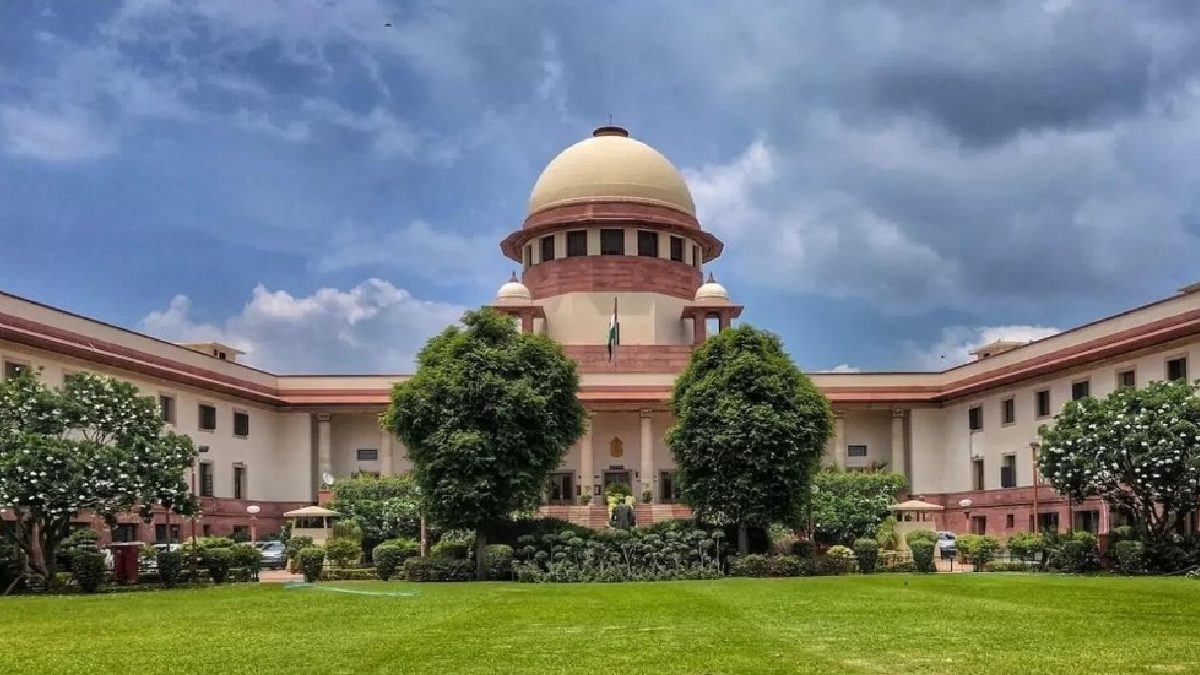
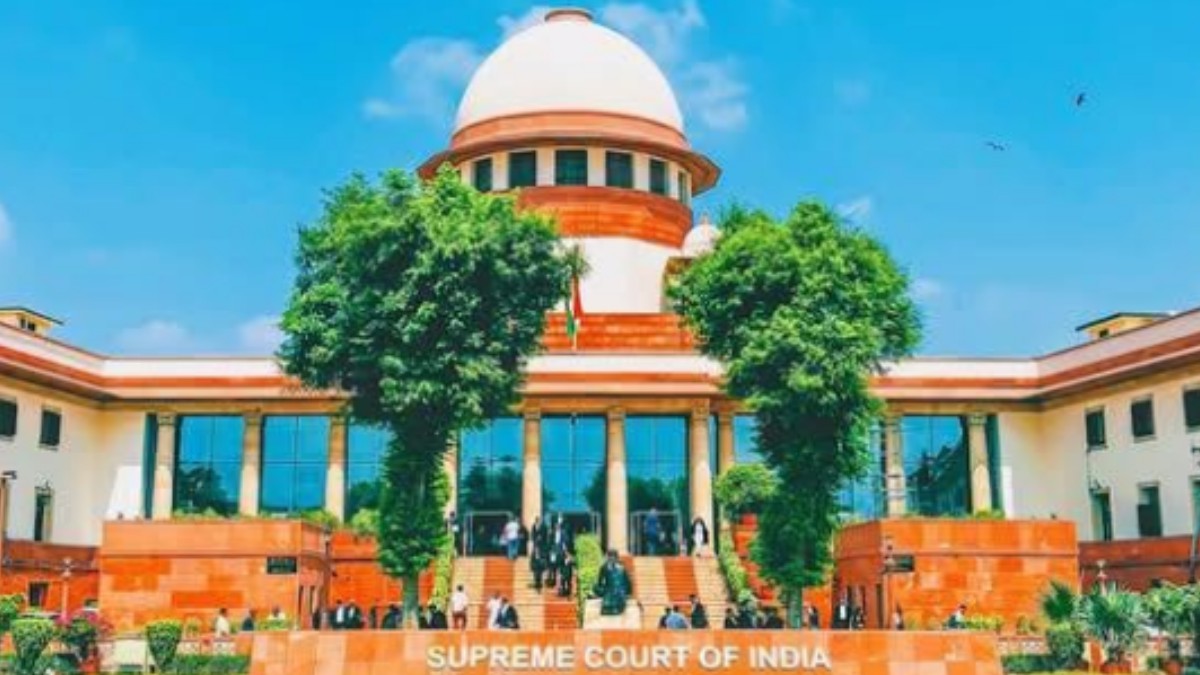
India’s Supreme Court has issued a major directive to solve the problem of judges in lower courts by increasing the retirement age of district and subordinate court judges from 60 to 62 years in seven states including Karnataka.
The ruling would also help retain judges and improve the functioning of courts having a huge backlog of pending cases and a lack of judges as well.
But the Supreme Court made clear that the extension is not an automatic right for all judicial officers. Judges who reach 60 will be assessed by their respective High Courts, and only those found efficient, honest and competent will be allowed to continue in service until the age of 62.
Seven States Directed to Amend Rules
The states that have already agreed to raise the retirement age are:
Karnataka, Chhattisgarh, Madhya Pradesh, Maharashtra, Sikkim, Tamil Nadu, West Bengal.
The Supreme Court told the states to revise their service rules and send government notifications as soon as possible to officially implement the change.
The court also made it clear that judicial officers who attain the age of 60 before the amended rules formally come into effect should not be retired immediately. Such officers will be allowed to continue in service until they reach 62 years of age, subject to such review process.
Performance Review Mandatory
The main feature of the ruling is that service expansion will be based on merit and performance not age alone.
The Supreme Court emphasized that continuation beyond 60 years is not a guaranteed right. Once a judicial officer reaches the age of 60 years, the concerned High Court will assess the officer's integrity, efficiency, work performance and overall suitability for continued service.
We do not want judges who do not meet these standards to receive the extension.
The court’s objective, according to the court, is to retain capable and dedicated officers but not to leave underperforming officials in service only because of the new retirement age.
Opportunity for Recently Retired Judges
We also wish to address the relief to judicial officers who retired after March 31, 2026.
The Supreme Court ruled that officers from the seven participating states who retired at or after March 31, 2026, may be considered for re-entry into judicial service if they have not taken up any other employment after retirement.
This will help the judiciary to bring back experienced officers and strengthen the judiciary at a time when vacancies continue to be high.
Other States Given Two Weeks
The Supreme Court also asked several other states and Union territories to reconsider their reservations about the retirement-age proposal.
Andhra Pradesh, Kerala, Gujarat, Uttar Pradesh, Bihar and Punjab, as well as Union Territories of Delhi and Puducherry have been asked to submit compliance reports within two weeks after reviewing the issue.
In light of the shortage of judicial officers in the country in general, the court said increasing retirement age would help.
Court Rejects Financial Burden Argument
Some state governments also argued that increasing the retirement age would put an additional financial burden on the exchequer.
The Supreme Court rejected this argument, stating that governments would still have to pay pensions to retired judges and salaries to new officers in addition to salaries of newly appointed officers.
The bench said that keeping experienced judges until the age of 62 could actually delay pension payouts and help maintain continuity in judicial administration.
Addressing Judicial Backlogs
In modern society, Supreme Court judges retire at 65 years of age and High Court judges retire at 62. District and subordinate court judges, however, have traditionally retired at 60, creating a gap in the judicial system.
The move is also in line with recommendations made by the Justice K. Jagannatha Shetty Commission which had earlier suggested raising retirement age of district judges to 62 years.
As there are still millions of cases in lower courts and thousands of judicial vacancies in India, the Supreme Court believes that by retaining experienced judges for an extra two years, the disposal of cases could be significantly improved and the delivery of justice is strengthened.
The ruling is the first step toward judicial reform and would also help relieve the burden on India’s overburdened court system.