The fragile diplomatic process that has been taking place between the United States and Iran is potentially at risk as security officials from Iran, Pakistan and Türkiye say the Islamabad Memorandum of Understanding (MoU), which has been the cornerstone of ongoing mediation efforts, is at risk of collapsing in the wake of fresh disagreements over the Strait of Hormuz.
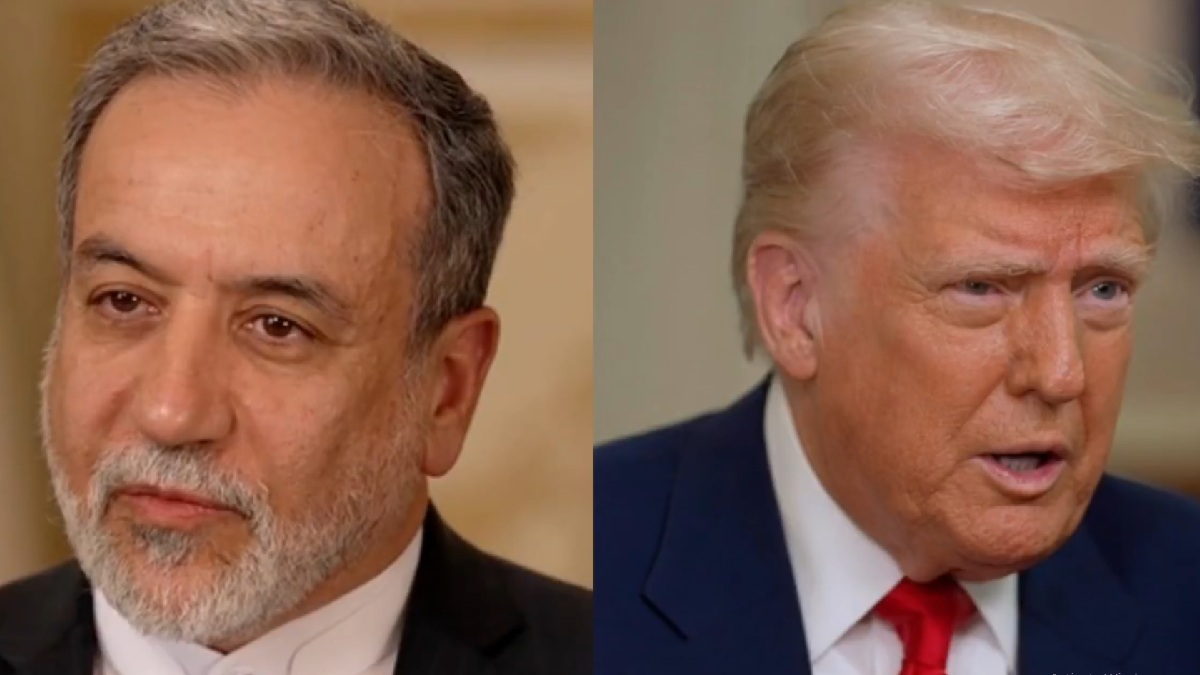
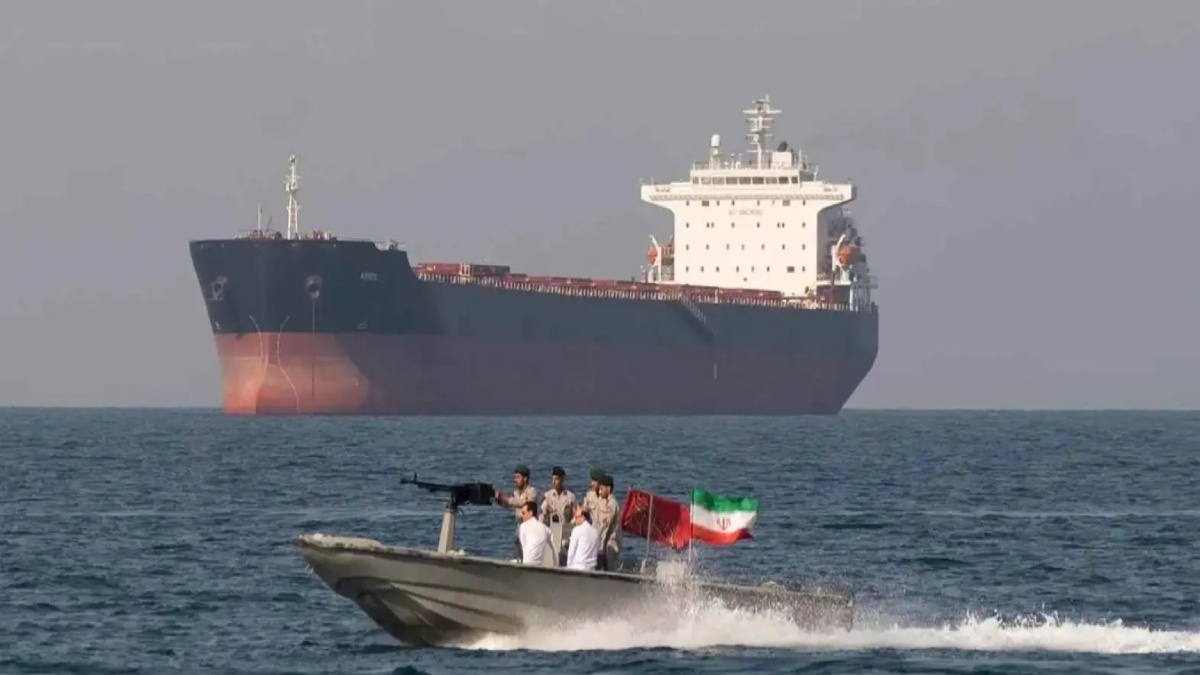
The sources said the negotiations have reached a difficult phase as differences continue to widen over maritime operations and navigation arrangements in the strategically vital waterway through which a significant portion of the world's oil supply passes every day.
The developments have led regional mediators to be afraid that months of diplomatic efforts could unravel in the absence of a compromise.
Even as the talks collapse, officials say, security officials say Washington is preparing contingency plans for re-establishing a naval blockade on Iran if the current negotiations fail. If it happens, it would be a significant escalation in US-Iran tension and would put Iran on a tight choke point with a permanent cutoff of Iranian oil shipments, and its effect on world energy markets globally.
A major point of contention would seem to be the IRGC of Iran. In the talks it has taken a firm stand against proposals on Iranian maritime operations and navigation in the Strait of Hormuz. The disagreements are making it difficult for diplomats to preserve the existing dialogue.
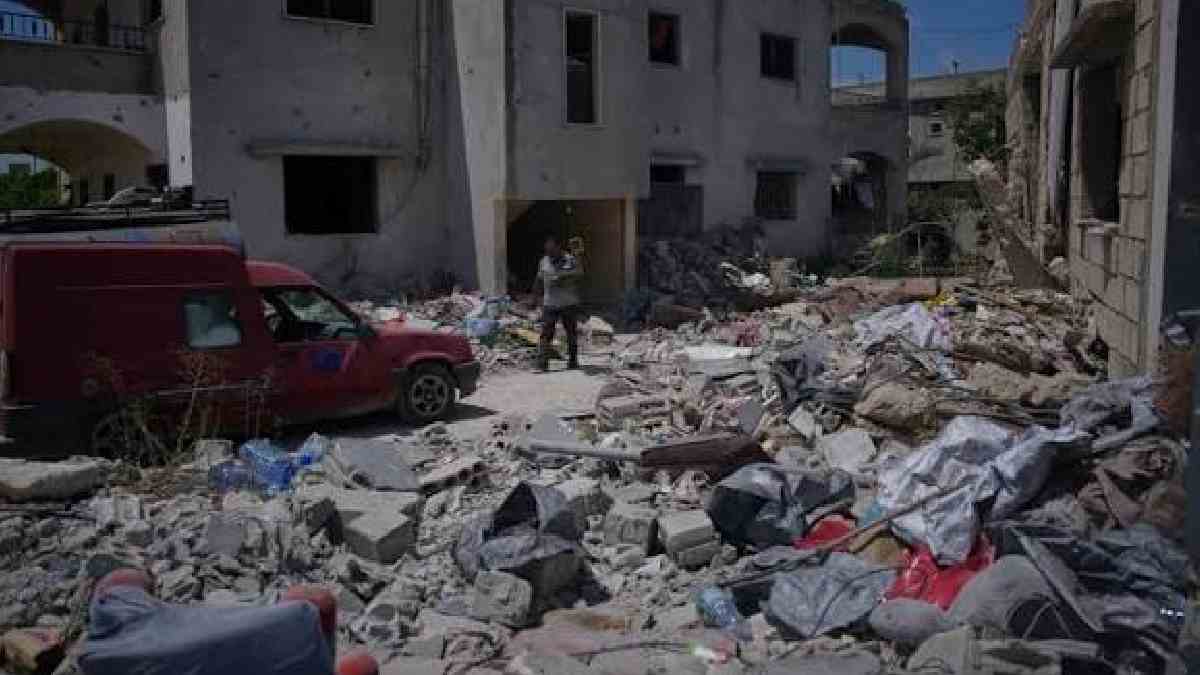
Pakistan has recently intensified diplomatic engagement as the situation is getting more uncertain. According to the security sources, Pakistan’s Field Marshal Asim Munir has arrived in Ankara for talks with Turkish officials, where the future of the Islamabad MoU and regional stability will be the focus of the talks.
Türkiye is working closely with Pakistan to prevent the mediation process from collapsing. Both countries are looking for ways to bridge the differences between Washington and Tehran and maintain contact with each other.
According to the sources, Pakistan and Qatar have stepped up efforts to persuade Iran’s political leadership as well as senior IRGC commanders to adopt a more flexible approach regarding territorial waters and maritime arrangements in the Strait of Hormuz. Diplomats see these discussions as vital to keeping the peace initiative alive.
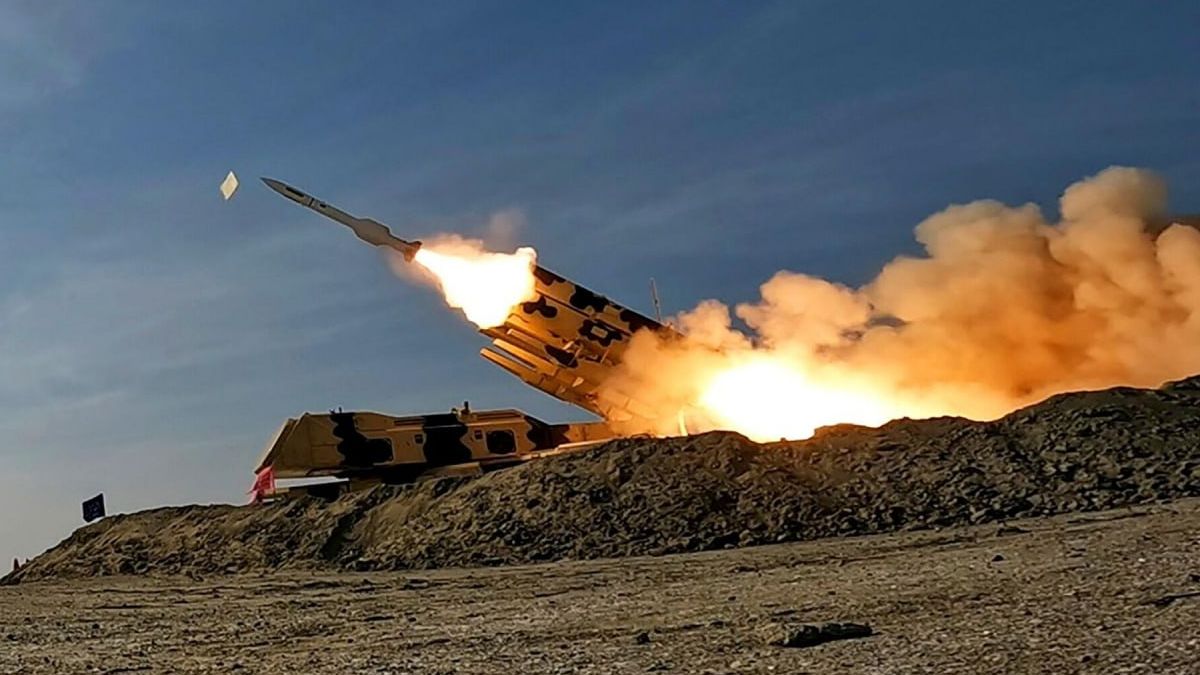
The sources allege that Iran's recent attacks on cargo vessels and military installations in Qatar have revived concerns in Qatar. Qatar, which has been involved in dialogue along with Pakistan and has been involved in dialogue, is worried the latest escalation would jeopardize months of behind-the-scenes diplomacy, they say.
If negotiations go bad, regional officials fear that if negotiations ultimately fall apart, the Strait of Hormuz could become the focal point of further geopolitical tension again. And if shipping through the narrow waterway were to be disrupted then it would be a huge blow to international energy supplies, global trade and regional security.
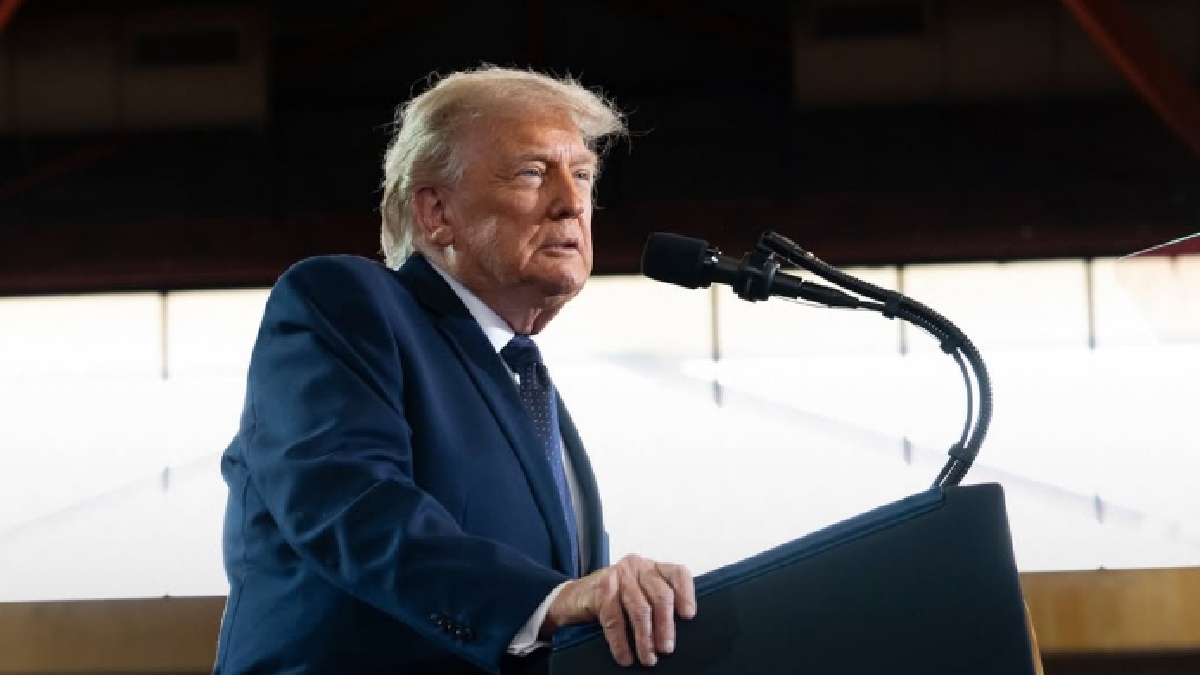
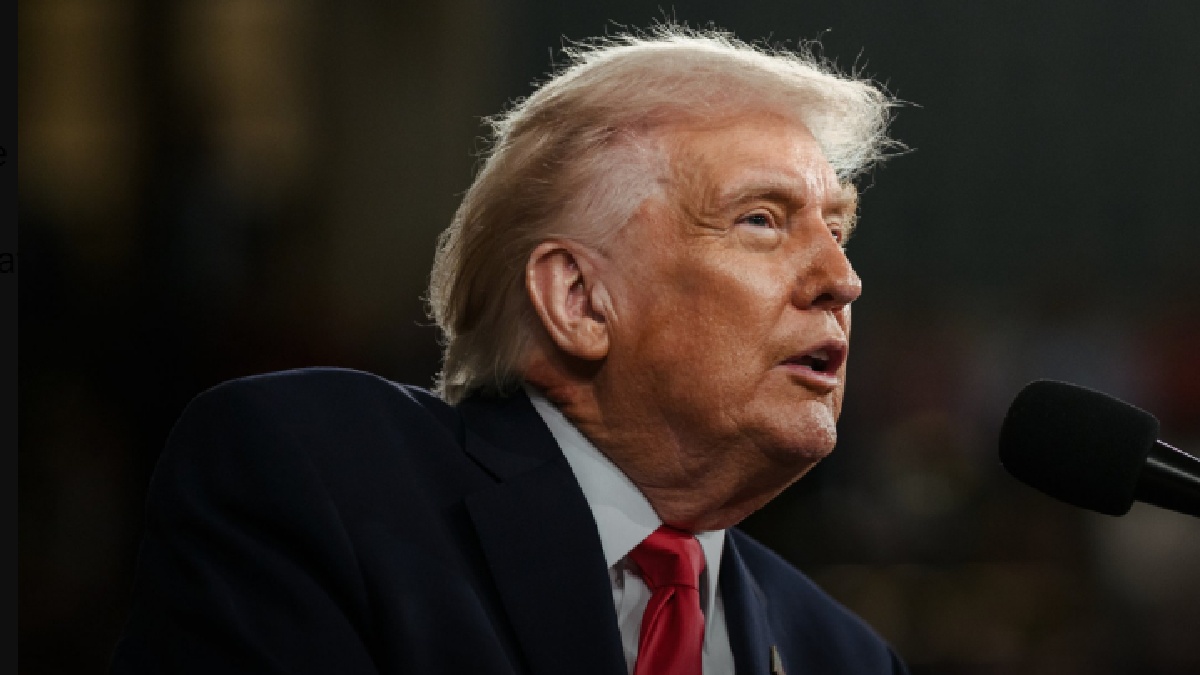
The uncertainty has only been compounded by Donald Trump’s recent comments that should diplomacy fail to yield results, Washington could revisit tougher maritime restrictions. Security sources believe that would effectively bring back a campaign of international pressure on Tehran to limit its access to oil across international waters.
Meanwhile, behind closed doors, mediation efforts continue as Pakistan, Türkiye, and Qatar are racing to keep the Islamabad MoU alive and the US-Iran dialogue going. Whether those efforts succeed could shape not only the next chapter in the relationship between Washington and Tehran, but also the stability of one of the world’s most strategically important regions.