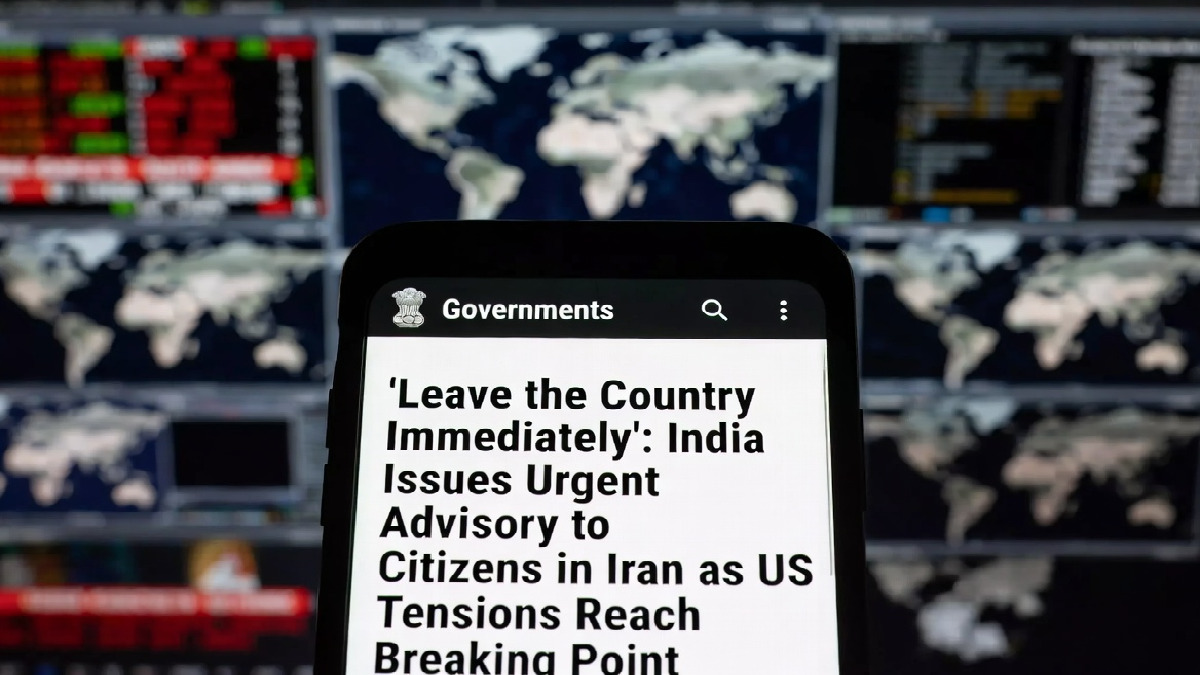
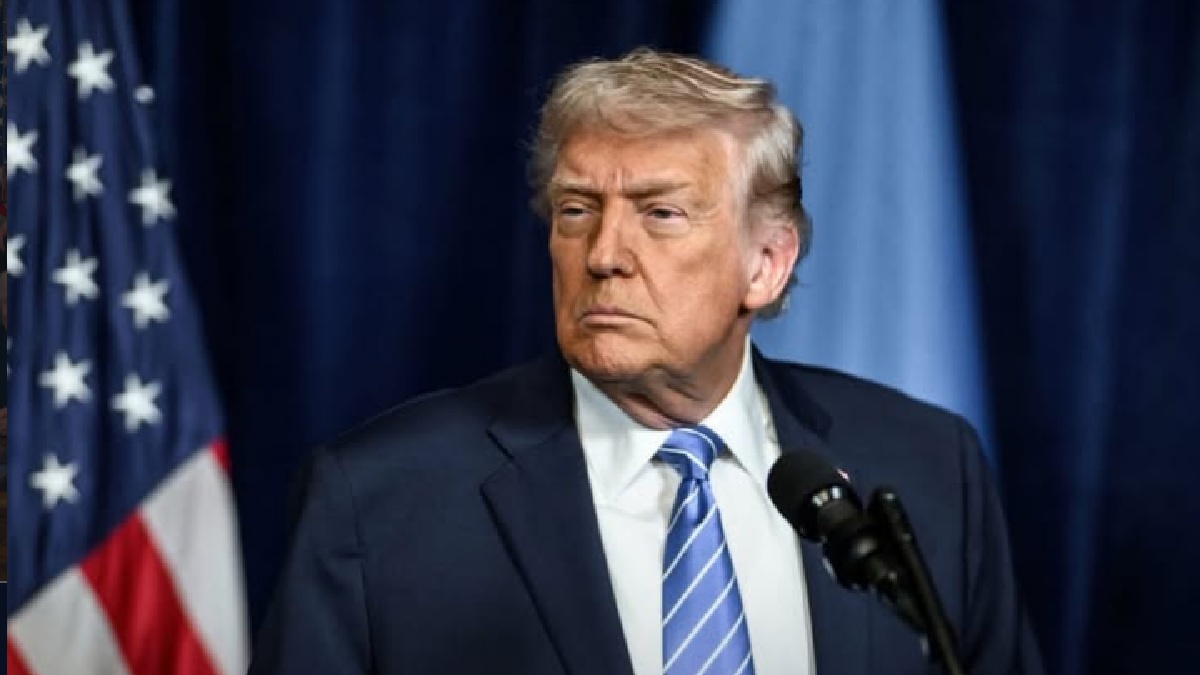
Reports have circulated that the US military has positioned itself and is prepared to launch targeted strikes on Iranian assets, as soon as at least this weekend. But this mission does not occur unless authorization from the U.S. President is granted.
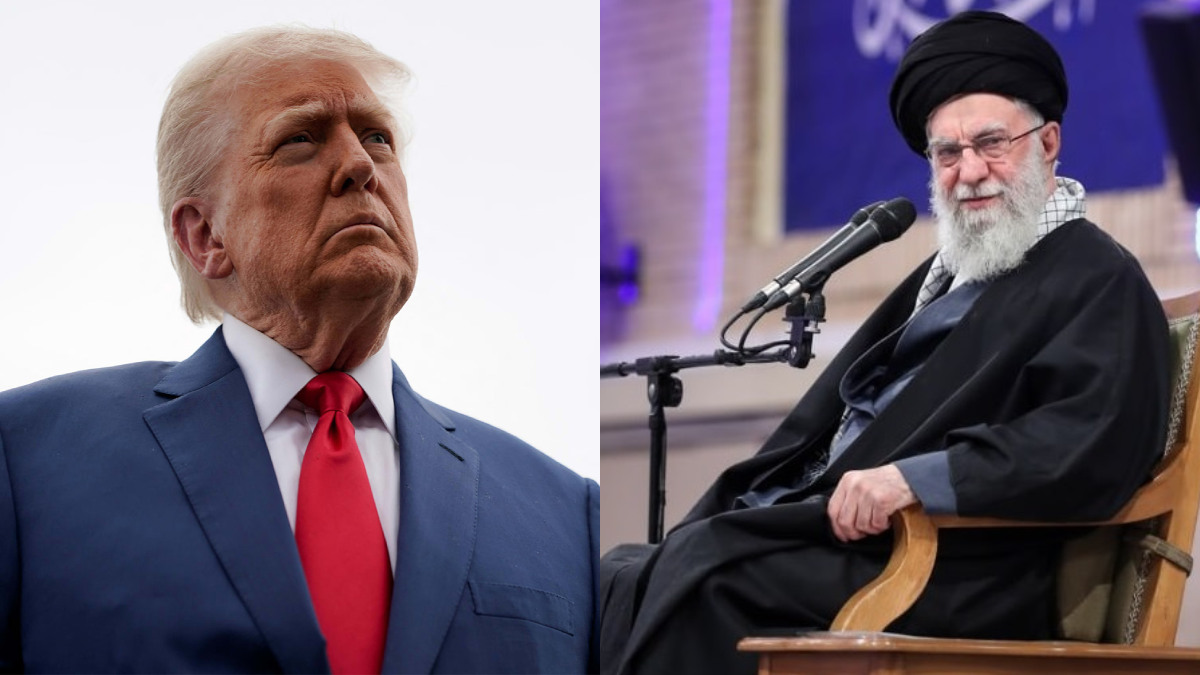
Middle Eastern escalation
The conflicts between Washington and Tehran have become explosive, after multiple regional provocations and the breakdown of diplomatic channels. Top defense sources said the Pentagon has deployed massive naval and air-power to striking distance in the Persian Gulf and surrounding waters. Preparation, reported for a strike by this weekend, indicates a window of intelligence or operational capability that a planned strike will likely take place in. Many of these targets are likely also drone manufacturing sites, missile launch hubs or command-and-control facilities, analysts point out.
The Decision-Making Process
Perhaps the “Go” order is one of the last moments of military preparedness but the decision can only be passed back to the President. According to reports in the administration, officials said the President now weighs the prospect for regional escalation against the demand for a “decisive deterrent” approach. And after the U.S. military has solidified its coordinates and tactical plan, the administration is said to have consulted with key regional allies before getting that final shot in the nick of time.
The idea is to have surgical enough kinetic action that is likely to chip away at Iranian capabilities without engaging in an all-out regional war that could upend global energy supplies.
International Response and Oil Markets
A potential weekend strike at the least is announced in the first week of a possible strike, but volatility in international markets surged in at least the first week announcing a possible strike though in turn went on to experience rapid volatility on a global scale. Oil prices: Oil prices had soared, surging at the start of trading as traders speculated blockades could be on the horizon in the Strait of Hormuz.
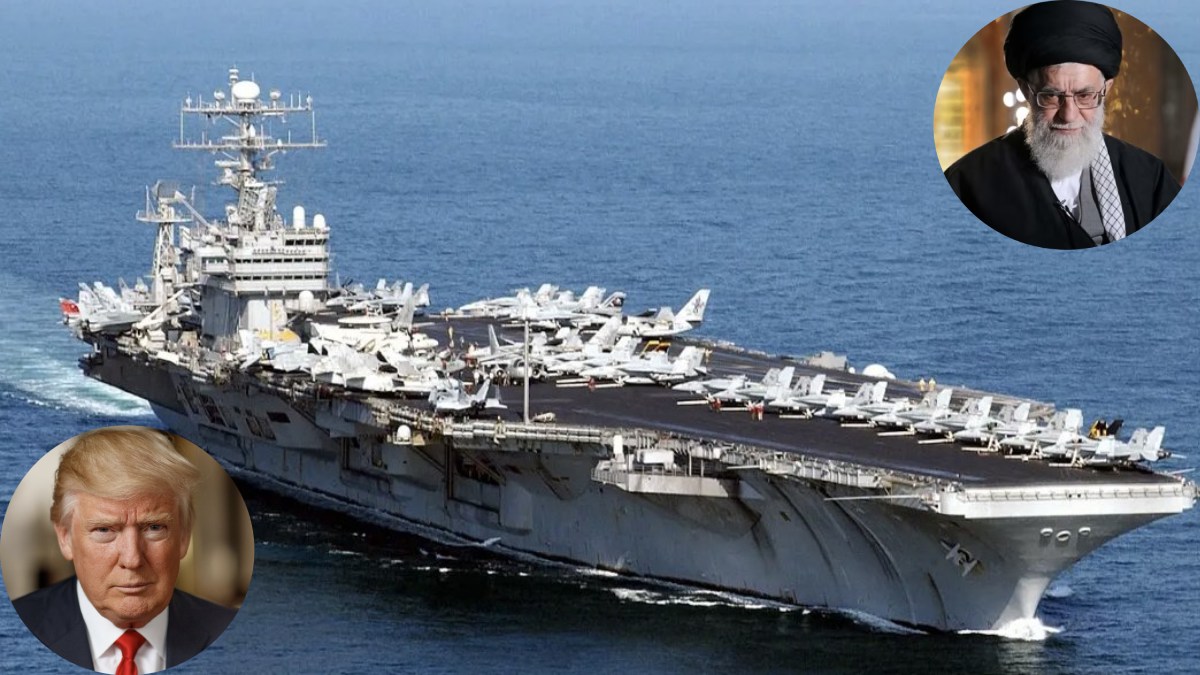
Allied Support: To some extent, Western allies told the U.S. that they supported U.S. security concerns. Yet many European countries also demanded “extreme restraint” over a humanitarian catastrophe including in the Middle East. Iran’s Response: Tehran issued a stern warning that any "miscalculation" made by the United States would bring about in turn a "crushing response" against American bases in the Middle East.
Stung in Tension
A countdown comes to a close. Key pivot points regarding global security are the next 48 hours. If the strike goes through, and if the President says yes to it, it will be the most direct military action with any real teeth between the two powers in years. Conversely, the deadline looming, unchecked, carries the risk of restarting a high-stakes “war of nerves” and diplomatic grandstanding. The White House Press Office hasn't commented on "hypothetical military operations," but enhanced defense operations at the Pentagon suggest that alternative options aren't out of the question.