A long deployment in the Persian Gulf has taken a toll on the mental and emotional state of US Navy personnel at the aircraft carrier USS Abraham Lincoln, Military Times reported. The report discusses the psychological strain during such long tours far from home.
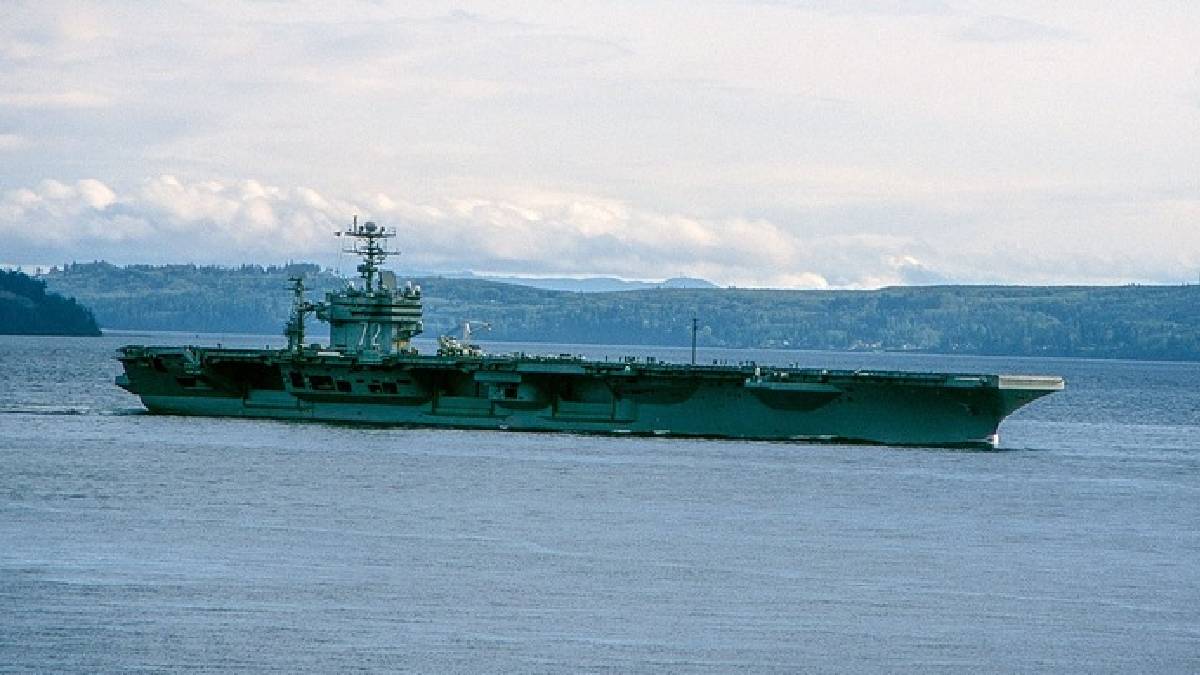
The USS Abraham Lincoln, one of the US Navy’s nuclear-powered aircraft carriers, sometimes operates for extended periods in support of American military operations and maritime security responsibilities. Naval operations are part of the day-to-day work of the Navy, but long-term deployment at sea is frustrating for service personnel because, for months, they often don’t hear from their homes and stay away from home.
According to the Military Times report cited in the account, some sailors experienced depression and emotional distress while deployed. A suicide attempt of a sailor aboard the carrier was also mentioned, as were the mental health pressures of a long military tour.
A long deployment contributes to physical and psychological stress on service members. Limited privacy, demanding work schedules, disrupted sleep, separation from family, operational stress, and uncertainty all contribute to emotional stress. Aircraft carriers are very complex military settings where thousands of sailors work and live in confined conditions while keeping a full-time job at the same time.
Mental health has become increasingly important in military organizations globally. Armed forces have sought to expand access to counselling, psychological support, and crisis intervention services, and train soldiers to report mental health concerns before they escalate.
The situation reported on the USS Abraham Lincoln shows the importance of warning signs among service personnel when deployed for extended periods. Depression, loneliness, sudden changes in behaviour, and hopelessness can indicate a sailor might need immediate assistance.
For military commanders, operational readiness is closely related to the well-being of their personnel. Aircraft, weapons, and technology are used on a carrier, but also the health and psychological condition of the sailors who serve on the ship are critical to their effectiveness.
The incident also underscores the unique challenges of serving on an aircraft carrier. Unlike shore-based personnel, sailors deployed at sea are not able to leave the work scene and meet family and friends. Family and friends can provide a lot of emotional support for the sailor during months-long deployments, but communication with them can never replace face-to-face contact.
The report follows conversations about mental health in the US military and the pressures of prolonged overseas deployments. Although military service is good for camaraderie and purpose, long separations and operational pressures can have an effect on a person’s health.
The reported suicide attempt is an evident manifestation that mental health issues are a big part of service members’ mental health challenges, regardless of rank or experience. Ensuring that sailors have open access to professional advice and that commanders see signs of distress is an integral part of maintaining the welfare and military readiness of all personnel.
The USS Abraham Lincoln is still a major component of US naval power, but the emotional stress on staff on board the carrier shows the human cost of long deployments without a break. As militaries continue to carry on with longer-standing overseas missions, mental health support will be a much more important component of personnel management.