The transition to electric mobility in India is on track to be a reality with the PM e-DRIVE scheme going into its second year and over 34 lakh electric vehicles registered under the programme and its predecessor scheme. The government estimates that the growing adoption of electric vehicles is saving around 31.3 lakh litres of fuel every day and bringing down carbon dioxide emissions by about 38.5 lakh kg daily.
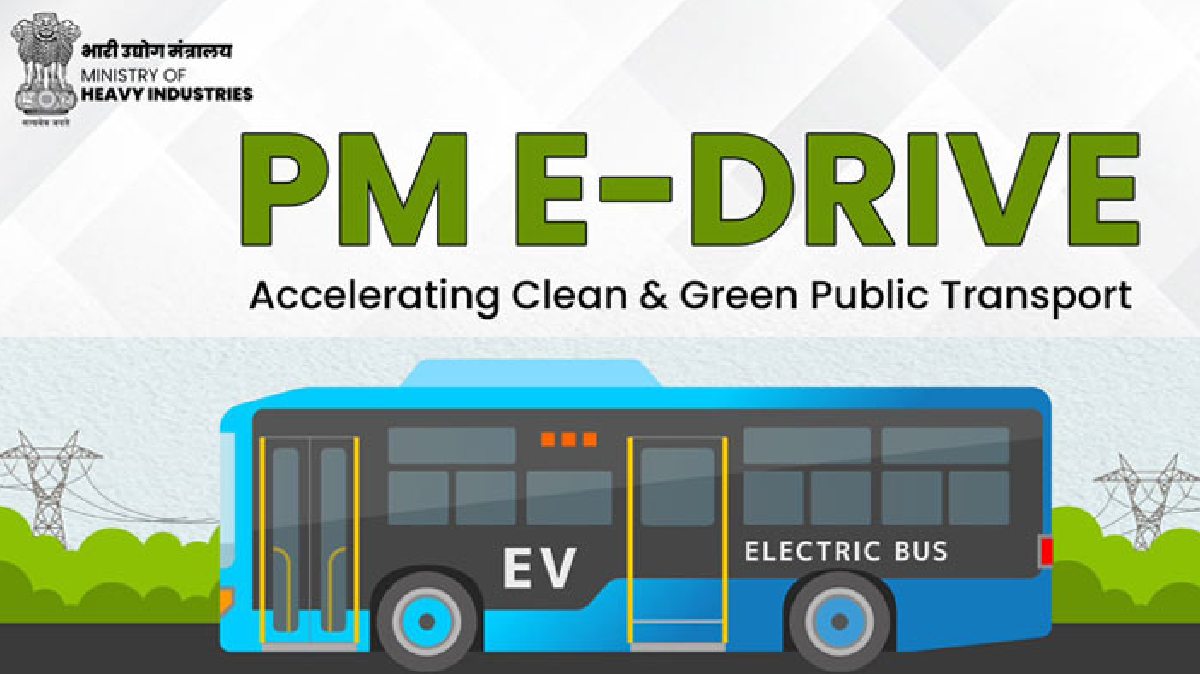
The PM e-DRIVE scheme was launched on October 1, 2024 with total expenditure of Rs 10,900 crore. It followed the completion of Faster Adoption and Manufacturing of Hybrid and Electric Vehicles (FAME) on 31 March 2024. Prior to PM e-DRIVE, the government introduced the EMPS (Electric Mobility Promotion Scheme) 2024 with investment of Rs 778 crore for 6 months from 1st April to 30th September 2024.
More Than 34 Lakh EVs Registered Under PM e-DRIVE
According to the PM e-DRIVE dashboard, as of September 26, 2026, 34.18 lakh electric vehicles had been registered under PM e-DRIVE and EMPS. The numbers illustrate the growing role of electric mobility in India, but most of the registrations are still coming from electric two-wheelers.
Electric two-wheelers account for almost 31.19 lakh registrations, or 91 per cent of the total vehicles covered by the two schemes. Electric three-wheelers are the second largest category with about 2.88 lakh registrations or about 8.4 per cent of the total.
The numbers also include 11,121 electric rickshaws and e-carts and 236 electric trucks. PM e-DRIVE covers electric vehicles for all categories; electric two-wheelers, three-wheelers, trucks, buses and ambulances and supports the development of charging infrastructure and testing facilities.
EVs Save 31.3 Lakh Litres Of Fuel Every Day
One of the major impacts highlighted by the government is the reduction of fossil fuel consumption. According to government estimates, the electric vehicles under PM e-DRIVE and EMPS are collectively saving nearly 31.3 lakh litres of fuel every day.
The saving is much more apparent when compared to everyday vehicle use. If we assume an average motorcycle fuel tank capacity of around 13 litres, then 31.3 lakh litres would be enough to fill up the tanks of roughly 2.4 lakh motorcycles in a day.
The fuel-saving figure also illustrates why electric two-wheelers have become an important part of India's EV transition. With over 31 lakh electric two-wheelers registered under the schemes, the segment is the largest contributor to the overall EV numbers.
Daily CO2 Reduction Reaches 38.5 Lakh Kg
The transition is also contributing to lower estimated carbon dioxide emissions. The EVs registered under the schemes are reducing carbon emissions by around 38.5 lakh kg every day according to government figures.
To put that number into perspective, the government estimates that nearly 6.4 crore mature trees would need to absorb an equivalent amount of CO2 in one day. While such comparisons are intended to illustrate the scale of the estimated emissions reduction, the actual environmental benefit of EV adoption can vary depending on factors like electricity generation sources, vehicle usage and the lifecycle of the vehicles and batteries.
But the numbers show that the government is moving a greater proportion of road transportation away from fossil fuel-powered vehicles.
PM e-DRIVE Also Targets Electric Ambulances
The PM e-DRIVE programme is not limited to private electric vehicles. The government is also using the scheme to promote electrification in public and emergency transportation.
Roughly Rs 500 crore has been allocated for deployment of 3,811 electric ambulances under the scheme. The move is to harness electric vehicle (EV) technology in emergency services and to strengthen the ecosystem of electric vehicles in India.
Automakers are also introducing specialised products that are targeted at specific applications. Force Motors, for example, is developing an electric ambulance based on its Traveller platform. The company claims the vehicle can deliver a range of up to 235 km on a single charge.
What PM e-DRIVE Means For India's EV Transition
PM e-DRIVE offers incentives for EV adoption and investments in infrastructure and testing capabilities. The registration data shows that electric two-wheelers and three-wheelers are currently driving the bulk of adoption, with electric trucks, buses and specialised vehicles being smaller but strategically important categories.
With the scheme going into its second year, the daily fuel and emissions savings indicate that India’s EV transition is on its way. The next phase will depend not only on the number of EVs sold and registered but also the charging infrastructure, battery technology, vehicle affordability and the availability of reliable electric mobility solutions in all vehicle types.