The U.S. Senate voted overwhelmingly Tuesday to approve a sweeping bipartisan legislative package that will impose economic pressure on Moscow by penalizing the largest global buyers of Russian energy. A decisive 86-12 vote in favor of the Lindsey O. Graham Sanctioning Russia and Iran Act of 2026. Introduced in memory of the late senator who advocated tougher sanctions against Russia, the legislation also introduces primary and secondary sanctions and is accompanied by tough tariffs that will punish big exporters of Russian oil and gas in the short and long run— for example, India and China.
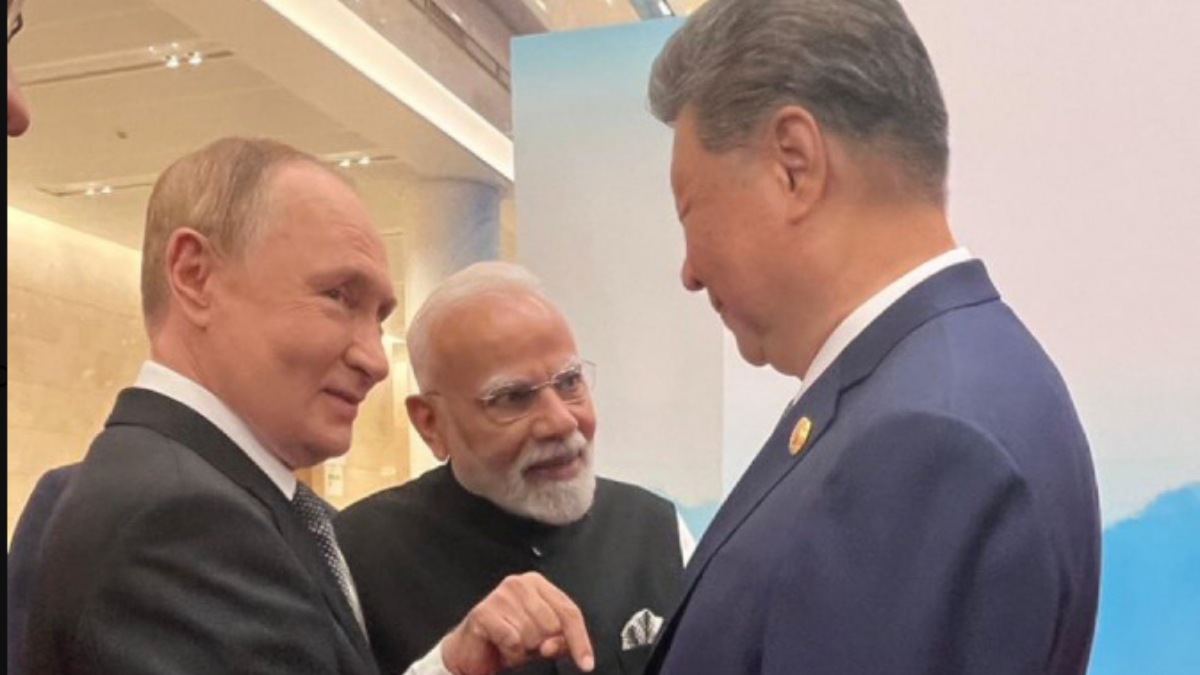
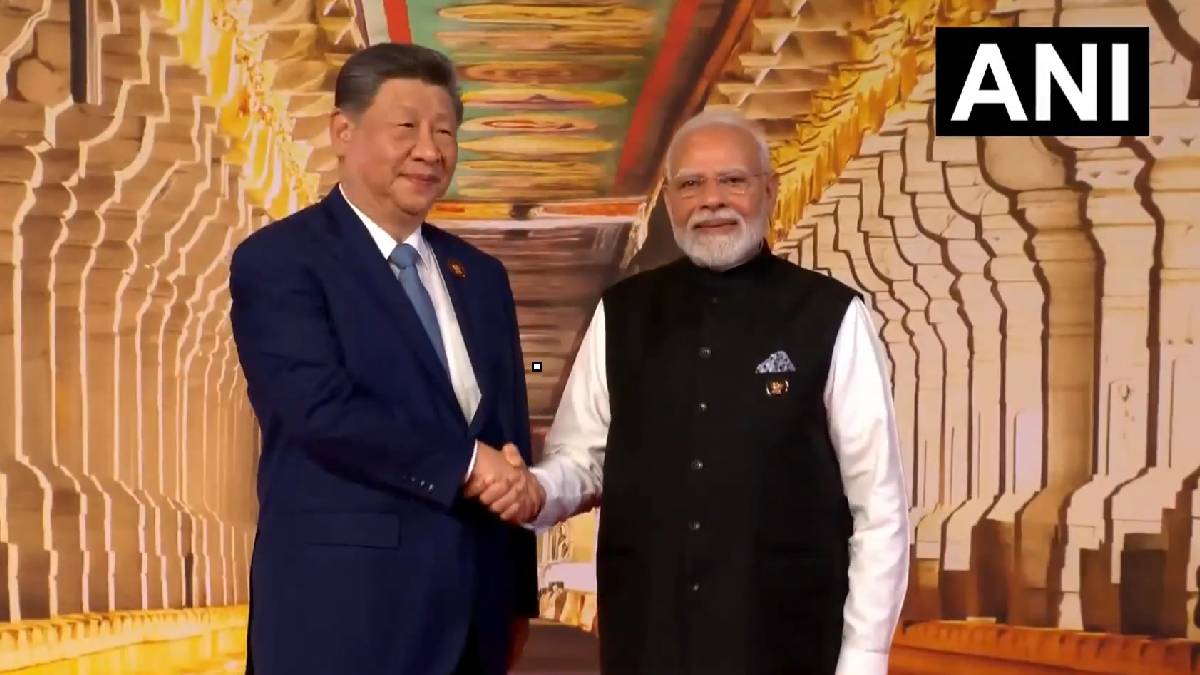
The legislation’s main goals were no secret from senior US lawmakers in congressional briefings. Senator Roger Wicker and others said in a speech that the policy was designed to bypass traditional Western allies and hold the countries buying the vast majority of Russian hydrocarbons accountable. Lawmakers pointed to New Delhi and Beijing as key actors helping sustain Moscow’s wartime economy. The proposed package would allow the US President to impose tariffs of up to 100 percent on imported goods from those countries that continue to buy large volumes of Russian petroleum or help skirt existing restrictive measures at home.
In addition to threats of secondary trade penalties on major energy consumers, the entire package of legislation seeks to erode vital financial and logistical arteries for Russia’s military ambitions. If passed into law, the bill would impose severe sanctions against high-ranking Russian officials, politically exposed oligarchs and key financial institutions. It also severely targets the illegal “shadow fleet” of ships making their way to transport Russian crude around the world, which skirt price limits and trade restrictions. The text also covers Iran (and also the Iran Sanctions Act) as it seeks to curtail the regime’s regional activities and military cooperation with Moscow.
Despite strong bipartisan support, the legislation is still in the early stages. The Senate vote merely opens the door for formal floor debates and amendments. The bill must still have a vote in the House of Representatives, get passed by the Senate, and be signed by President Donald Trump to be enacted. Moreover, the proposed tariffs are not automatically enforced once they are passed: they are discretionary powers that the executive branch has and will use as part of its diplomatic and economic toolkit. The vote occurred during a high-profile visit to Washington by Ukrainian President Volodymyr Zelenskyy, which underscores the Washington political urgency to bring the bill to fruition to shore up the US capital’s financial leverage with Russia.