Chinese President Xi Jinping has announced that China will take over the BRICS presidency next year in what is a major step for the expanding multilateral grouping and sets the stage for Beijing to drive the bloc's agenda in 2027.
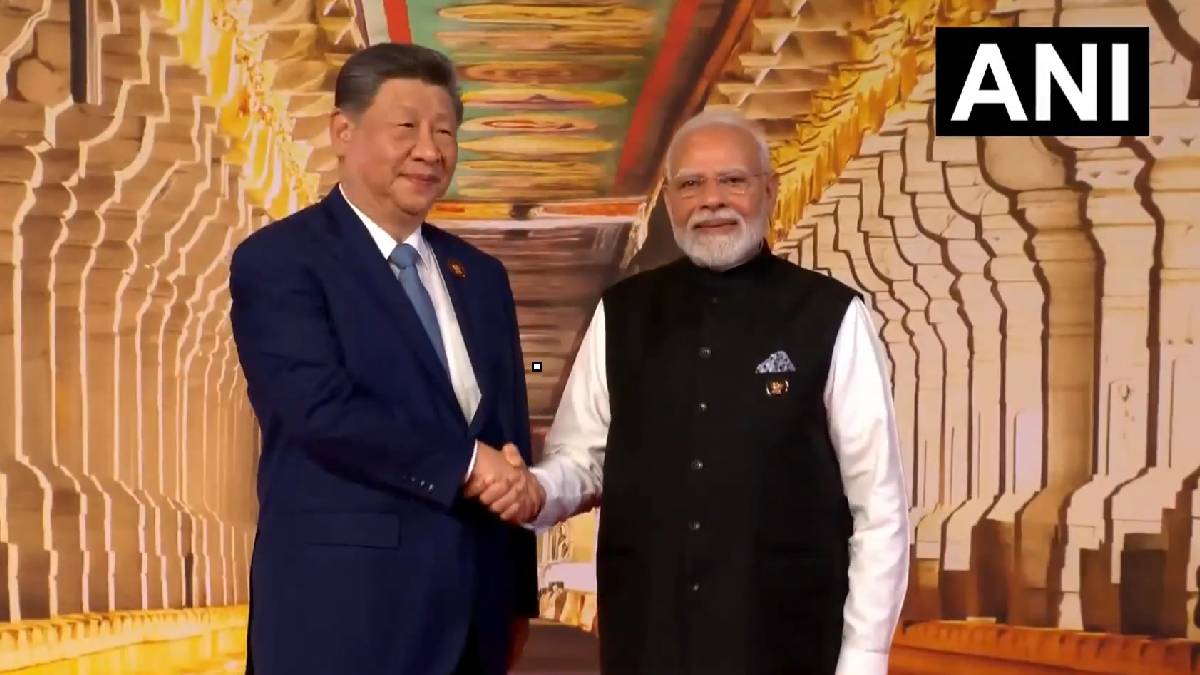
The announcement came at the BRICS Summit 2026 in New Delhi as the leaders of the expanded BRICS group gathered to discuss global cooperation in the global economic landscape, international governance, development and major geopolitical challenges.
The next China presidency will put Beijing at the center of the bloc’s diplomatic and economic agenda in the year ahead. The BRICS presidency traditionally allows for the chairing state to set priorities, organise meetings and make progress with member countries and partners.
Xi Jinping’s decision is especially significant given that the size and influence of BRICS has been growing in the world’s largest and growing BRICS. The group has already grown in size and influence as a whole. Not only has it grown considerably bigger than its size and influence as a single entity, but the grouping has also expanded well beyond its initial membership and is now home to some of the largest emerging economies from all over the world.
The Chinese presidency will also come at a time when BRICS countries are looking to have more representation for emerging economies in international institutions. Issues such as reform of global financial institutions, greater participation of developing countries in decision-making and changes to the international economic system have become important themes within the bloc.
India’s 2026 presidency has placed much emphasis on strengthening the voice of the Global South and improving the implementation of BRICS initiatives. The transition to China will therefore provide an opportunity to determine how Beijing builds on the priorities established during India’s tenure.
China is one of the founding members of BRICS and still one of the largest economies in the group. Its presidency could bring more emphasis to trade, investment, technology, infrastructure, financial cooperation and economic connectivity among member states.
The announcement would also have diplomatic significance because the BRICS platform includes countries with different foreign-policy priorities and relationships with major global powers. Managing those differences while getting consensus will be one of the key responsibilities of the incoming presidency.
For China, leading BRICS in 2027 could be a strong platform to increase cooperation among emerging economies as well as strengthen China's diplomatic relations with countries in Asia, Africa, the Middle East and Latin America.
So the transition will be the next step in India's relationship with BRICS. New Delhi has been increasingly using the group to promote the agenda of the Global South and maintain its relationships with major powers like China and Russia.
The 2026 summit has already attracted significant attention because of the presence of major leaders in New Delhi. Xi Jinping, Russian President Vladimir Putin and Iranian President Masoud Pezeshkian are among the prominent leaders participating in the meeting together with Prime Minister Narendra Modi.
With China set to take the presidency in 2027, attention will now turn to Beijing’s priorities and the initiatives it plans to put at the centre of the BRICS agenda.
The leadership transition underscores the growing importance of BRICS in global diplomacy. As the grouping expands and seeks a larger role in international affairs, each presidency allows for the discussion of trade, finance, development, technology and global governance to become more and more relevant.
So Xi’s announcement is more than a routine leadership transition. It signals the beginning of preparations for China’s BRICS presidency in 2027, at a point in time when the bloc is looking to strengthen its influence in an increasingly multipolar world.