The long-doubted “shadow war” between Iran and its neighbors finally revealed itself. When the United States and Israel waged Operation Epic Fury a massive campaign to destroy Iranian nuclear and military infrastructure Tehran launched a multi-front barrage. Israel was the main target, while the world held its breath watching as missiles and drones rocketed toward Dubai’s skyline.
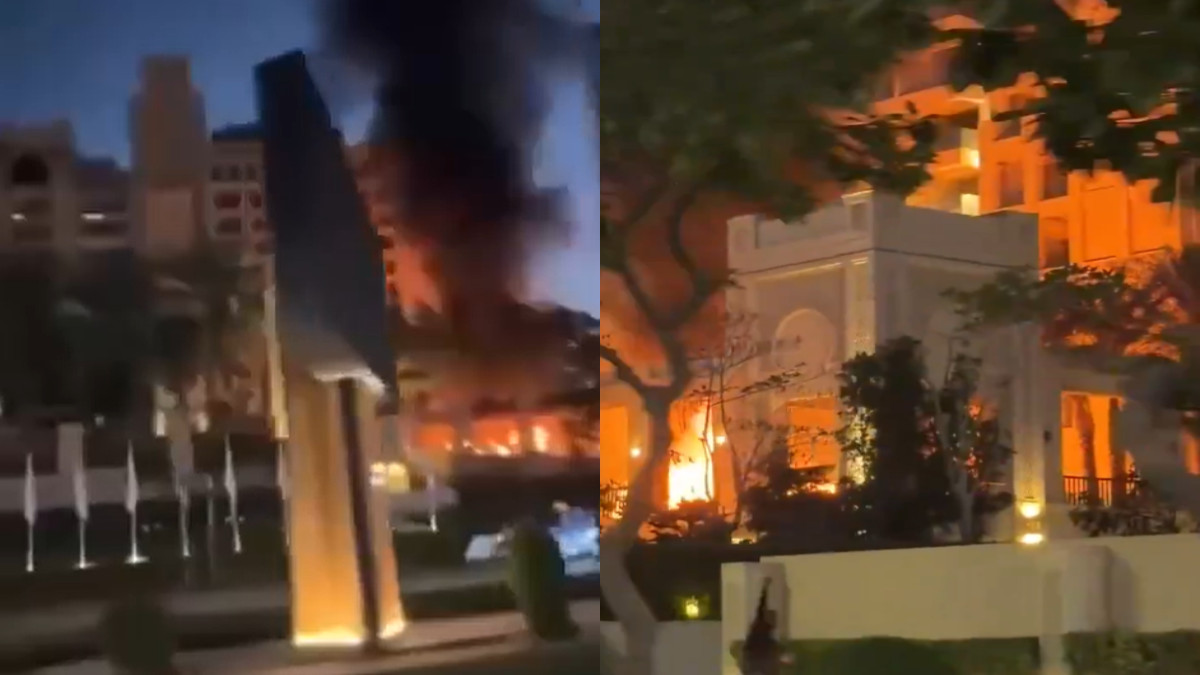
As reports emerged of debris igniting fires at the Burj Al Arab, and incidents at Dubai International Airport (DXB), the question has become not whether the war has spread, but why Iran is targeting neighbors.
Tehran’s Strategy: What Is the Targeting of Dubai?
Iran’s choice to fire on the United Arab Emirates is not just random aggression; it’s part of a deliberate element in its more overarching “Forward Defense” doctrine.
The “Hosting” Penalty
Tehran has long threatened that any country providing “soil or airspace” for American military operations against Iran would be a worthy target. Dubai and Abu Dhabi are host to vital United States interests and personnel. By raining its missiles on the UAE, Iran is sending a message: The price of hosting the U.S. military is an existential one.
Economic Sabotage as a Weapon
The capital of Dubai is a major global transit hub for aviation, finance and tourism. By forcing the closure of Dubai International Airport, one of the world's busiest, Iran seeks to do two things: To break the image of stability: The UAE’s “oasis of peace” image is its greatest asset. Internationalized cost: By halting global travel and shipping, Tehran creates pressure with the international community on Israel to cease hostilities with the United States.
"Horizontal Escalation" as Deterrence
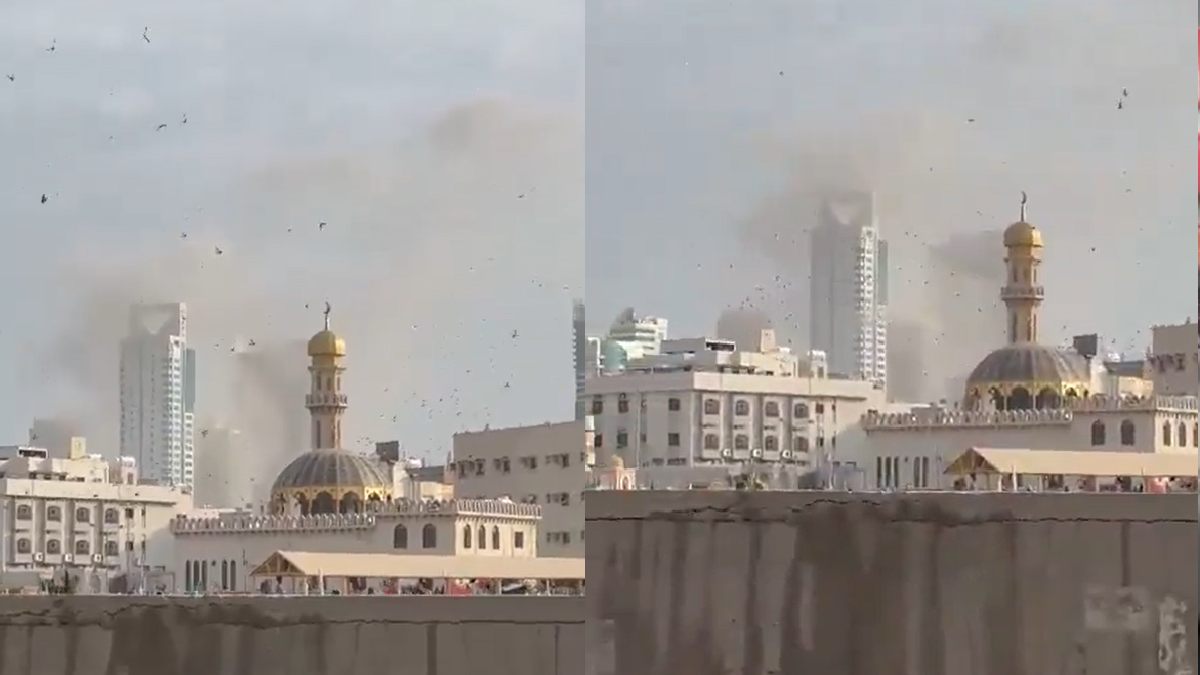
If Iran can't keep up in a direct, conventional versus "traditional" dogfight on both sides, it seeks to escalate "horizontally." Through the expanded battlefield of the UAE, Bahrain, and Qatar, Iran would like to challenge our regional air defenses, and force the US to divert our forces away from the Iranian mainland to protect our allies.
The Impact on Dubai: A Timeline of Recent Incidents
The recent outbreak had featured unprecedented events, hitting the Emirates:
- Burj Al Arab: Some debris from an intercepted drone led to a small fire on the facade of the famed hotel.
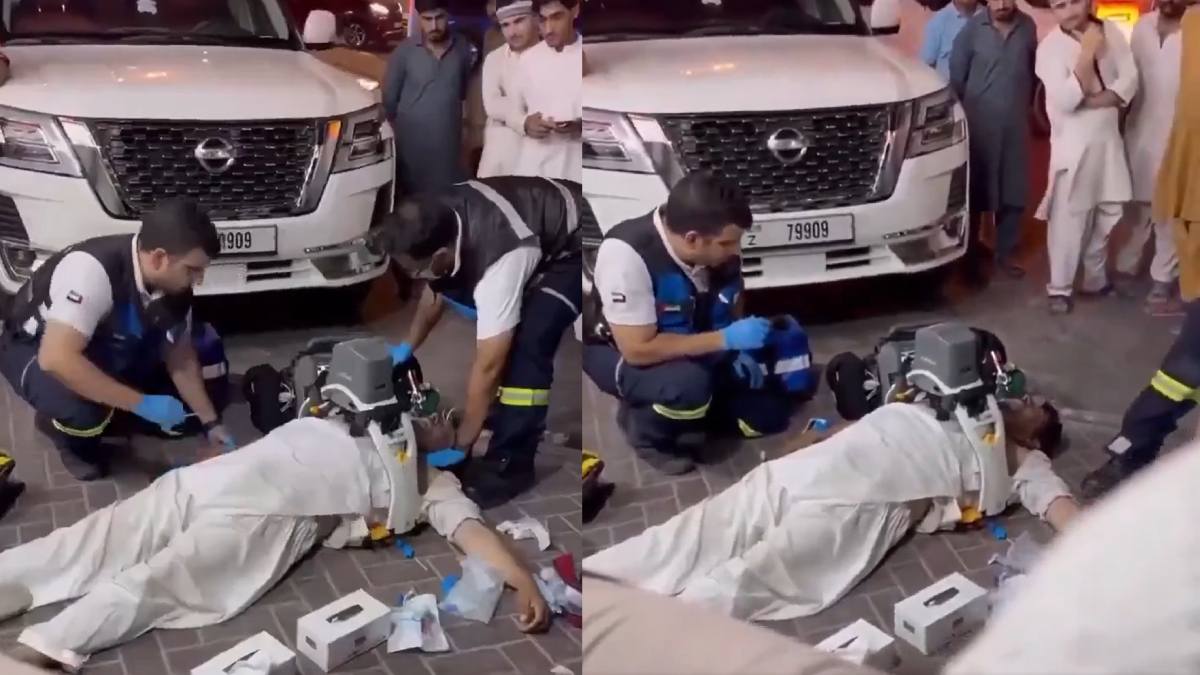
- Palm Jumeirah: A missile hit near Fairmont Hotel was causing four casualties, one of those few direct civilian casualties in the luxury district.
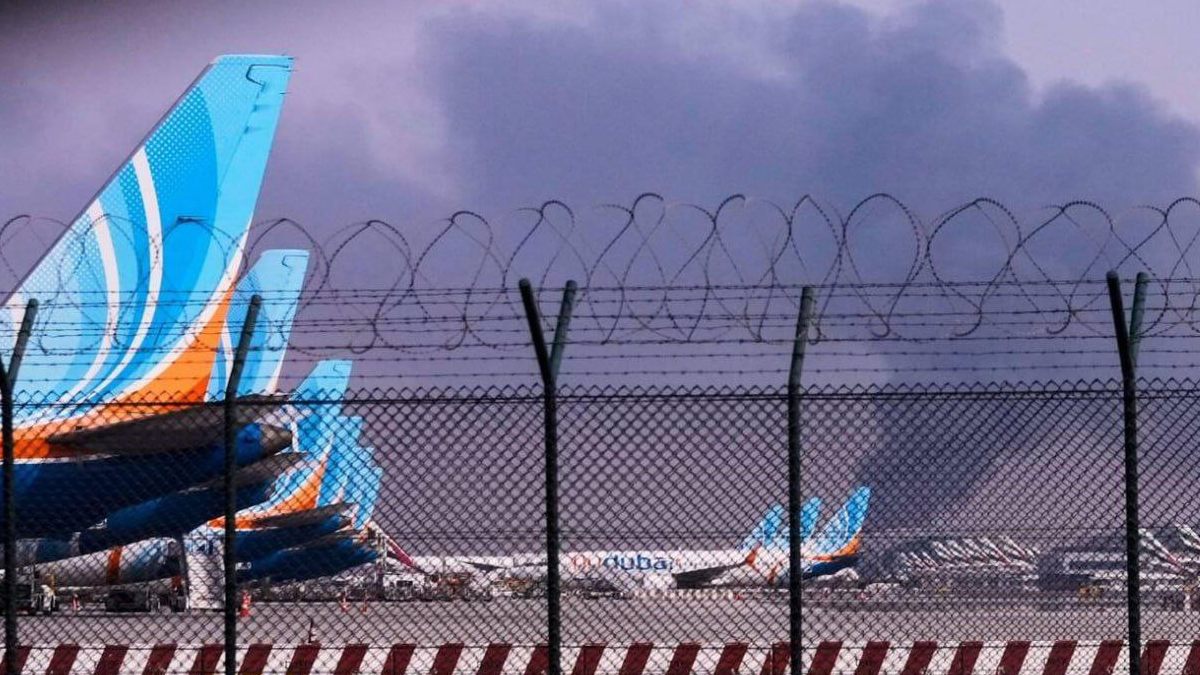
- Aviation Standstill: DXB and Al Maktoum International (DWC) had lost flying airfare altogether, leaving thousands of transit passengers stranded.
“You’ve proven that we, not the United States, are on the receiving end of that fire,” said Dr. Ebtesam Al-Ketbi, President of the Emirates Policy Center, after the attack.
The Diplomatic Fallout
The U.A.E. has denounced the attacks as a “blatant violation of sovereignty.” Even as the UAE sought to adopt a policy of de-escalation and neutrality in early 2026, Tehran’s “True Promise 4” campaign has indeed pushed Abu Dhabi to the brink. With the IRGC said to have closed the Strait of Hormuz, the Middle East economy and security landscape is undergoing its most radical change in generations.