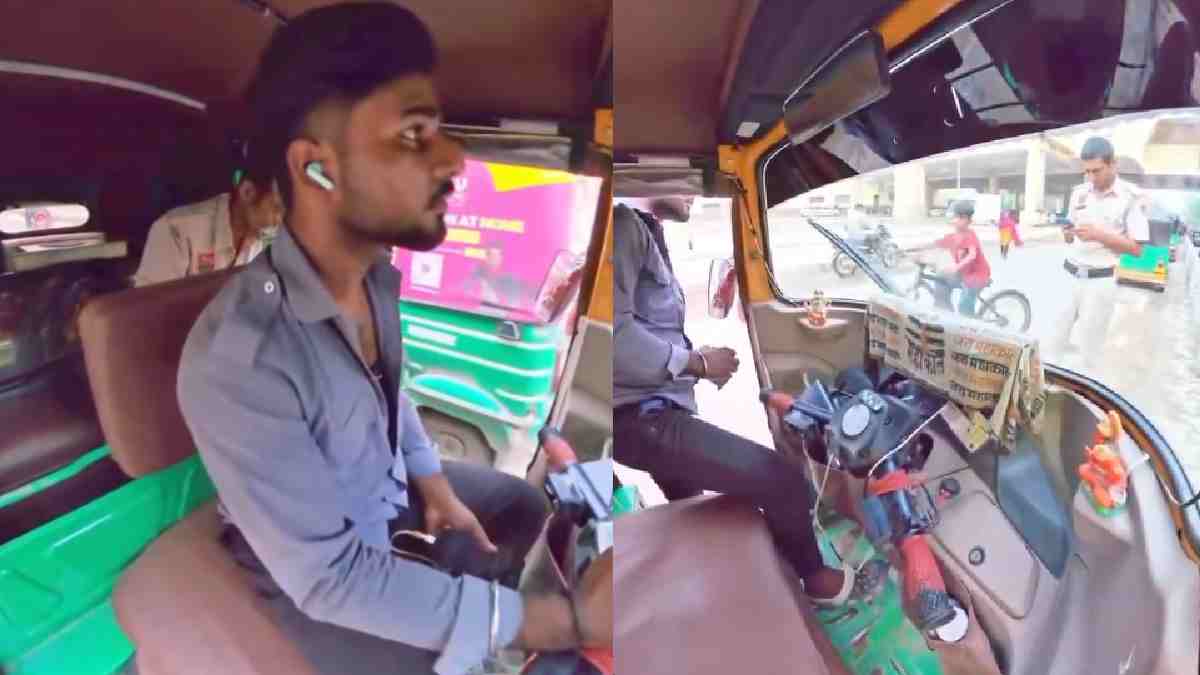
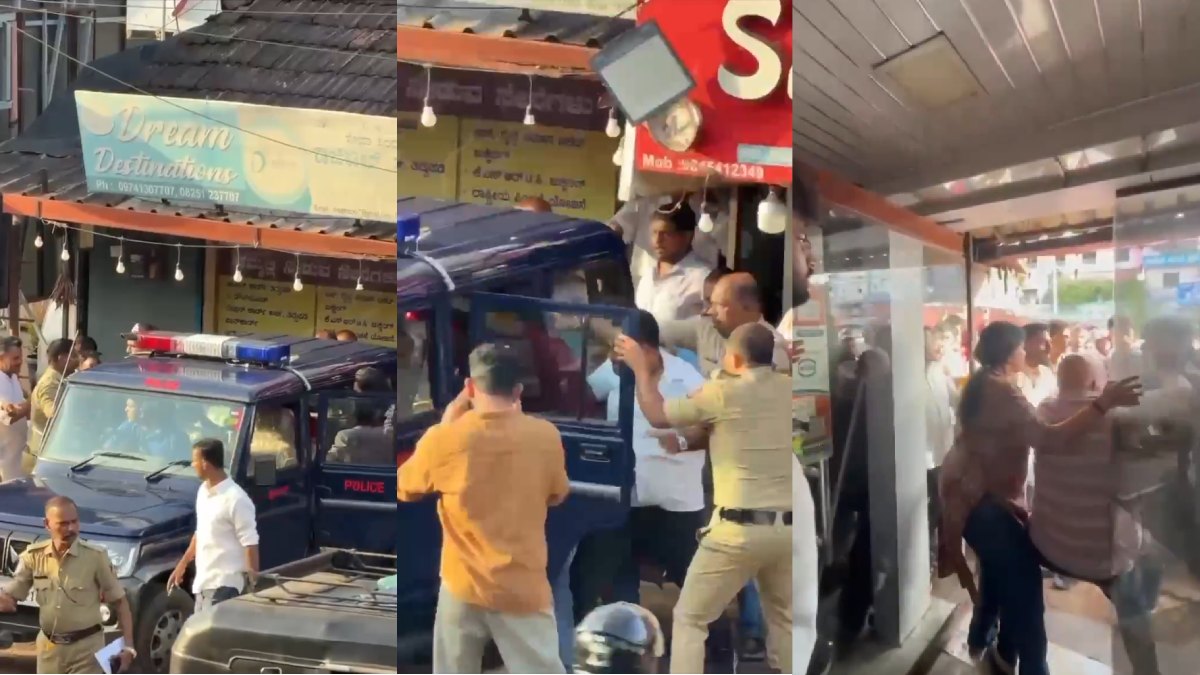
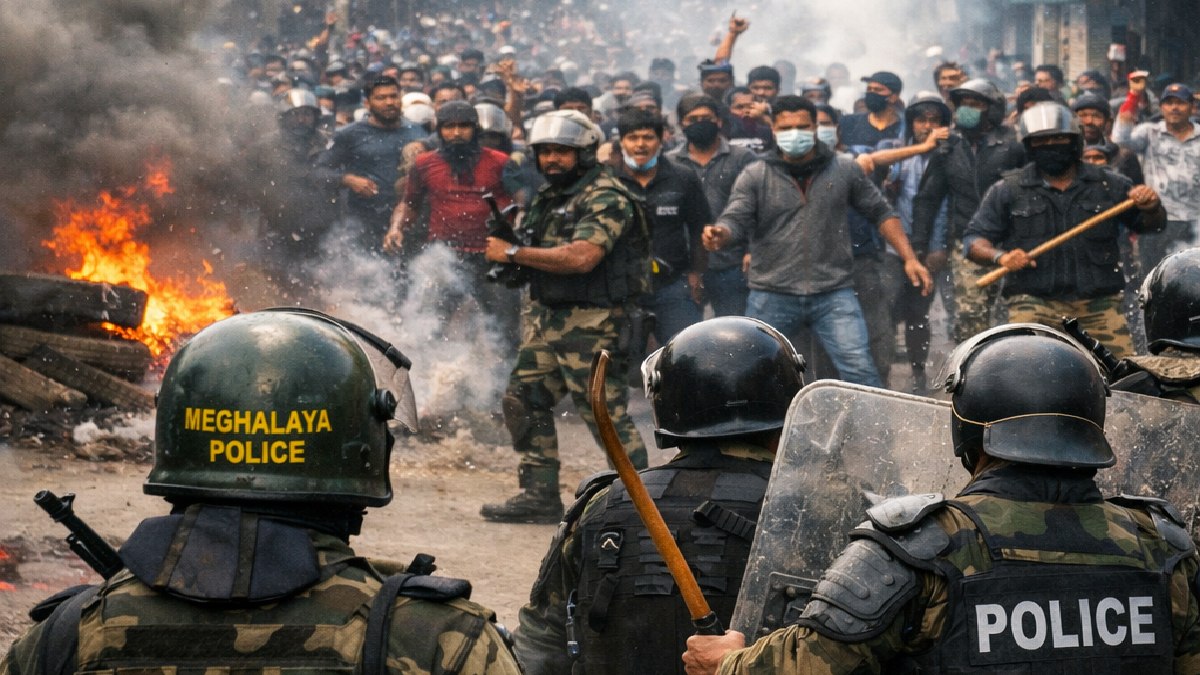
Tension along the Assam-Meghalaya border has affected tourists, commuters and transport operators after protests broke out at Jorabat following violence during a Khasi Students’ Union (KSU) rally in Shillong. This has disrupted movement between Guwahati and Shillong, with Assam-based transport workers and cab operators curtailing vehicles’ movement due to anger over claims that Assam-registered vehicles were allegedly targeted during the rally.

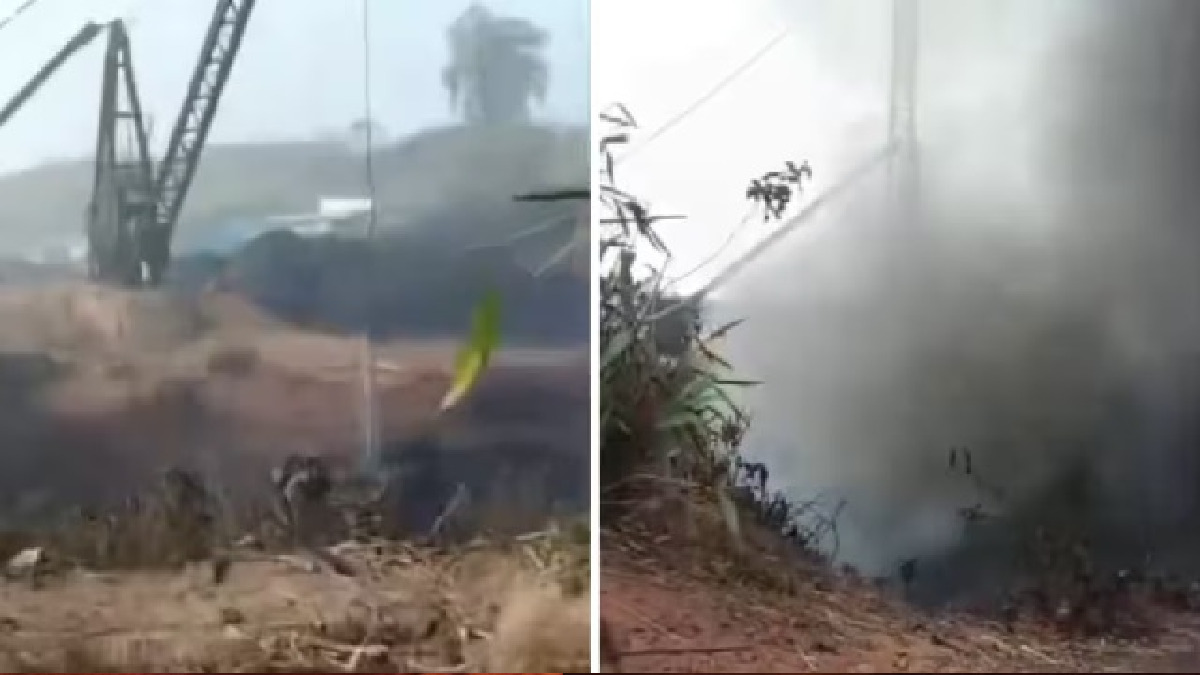
Jorabat is the gateway to Assam and to Meghalaya and the main tourist attraction in the hill state. In response to the situation in Shillong, transport operators held a meeting at Jorabat-Khanapara and stopped or restricted the movement of vehicles from Meghalaya. As a result, many passengers and tourists were stranded or forced to change their travel plans.
The situation came after a black-flag motorcycle rally organised by the Khasi Students’ Union in Shillong on August 19 turned violent. People were injured and vehicles damaged in the violence, said witnesses. Vehicles with Assam registration numbers were identified as targets, which led to a dispute between transport operators in the neighbouring states. Security was increased in sensitive areas.
These tourists travelling between Assam and Meghalaya have also been affected by the incident. Passengers were stopped at the border area of Jorabat and people were told to leave from vehicles after they reached Jorabat and have to make alternate plans for travel, said the border officials. It has made the itinerary of tourists who already had booked hotels, homestays and sightseeing trips in Meghalaya uncertain.
The transport operators in Assam said their protest was a response to alleged attacks on drivers and vehicles from Assam in Shillong. They want assurances to drivers travelling between the two states and compensation for owners of vehicles that were damaged, they told the Times Now. So the protests have become a broader struggle over the safety of interstate transport workers and passengers.
The blockade also affected ordinary commuters and students. Assam and Meghalaya share a lot of daily movement of people for education, work for commerce, healthcare and tourism. If there is a serious disruption on the main road between Guwahati and Shillong, it’s not just the transport sector that will be affected. The uncertainty has also caused the students travelling between the two states and families with already made trips to be concerned about the situation.
Another key concern is the tourism industry. Meghalaya is a popular tourist destination for tourists from all over India with Shillong, Cherrapunji, Dawki and other places drawing large numbers of tourists. Hotels and homestays were already seeing cancellations after the violence and businesses that depend on tourism are worried about it. The Meghalaya tourism department has also set up a helpline for people suffering from the unrest.
Commercial taxi services between Shillong and Guwahati were also suspended because of the unrest. The suspension has put tourists out of luck, with taxis and airport transfers and sightseeing in a lot of cases for airport transfers and sightseeing, the suspension has been a source of stress for tourists who depend on taxis for travel and accommodation. The transport disruption is an example of how rapidly the effects of local unrest can affect interstate transportation networks in the context of road transport as a major mode of travel in regions where road travel is so important.
Now both sides are faced with the challenge of preventing the situation from going any further. Security forces are being deployed in sensitive areas and officials and transport representatives are expected to try to restore normal traffic. Some essential vehicles such as ambulances and some goods carriers were still allowed through the blockade, but passenger and tourist vehicles were restricted.
The Meghalaya administration has also taken steps following the Shillong violence. The East Khasi Hills district administration denied permission for a proposed KSU sit-in at Khyndai Lad because it is concerned about public order after the unrest of the previous day. Some people who are allegedly linked to the violence have been arrested, police have also been taking action.
For tourists, the developments remind them that the latest local travel situation should be considered before starting an interstate trip. The situation can be very quick to change when transport unions and authorities are involved. Travellers already in the area could need to stay in touch with accommodation providers and local authorities for road movement information.
The unrest has also renewed calls for restraint by all sides. Transport operators have legitimate concerns about the safety of drivers and passengers but retaliatory restrictions can affect ordinary people who have no connection with the incidents. Tourists, students, workers and families who travel between Assam and Meghalaya can be unwitting victims when interstate tensions disrupt transportation.
🚨 Tourists have been stopped at Jorabat, on the Assam side of the Assam-Meghalaya border, amid protests by transport and cab operators, now in its second day.
— Bhavesh Gujrati (@Bhaveshlivelife) August 22, 2026
The unrest follows Wednesday's KSU "black flag" rally in Shillong, where at least 31 vehicles, including… pic.twitter.com/plQowTkbGu
The immediate priority for both authorities and community representatives is to restore safe movement and prevent any further incidents. A peaceful resolution would not only be beneficial for commuters and transport workers but also for Meghalaya’s tourism economy which depends on visitors travelling freely from neighbouring states.
The disruption, which is being closely watched by Jorabat authorities, is evidence of just how rapidly local unrest can spread beyond the original location. So it’ll be important to restore confidence among tourists, transport operators and residents in order for normal communication between Assam and Meghalaya to resume.