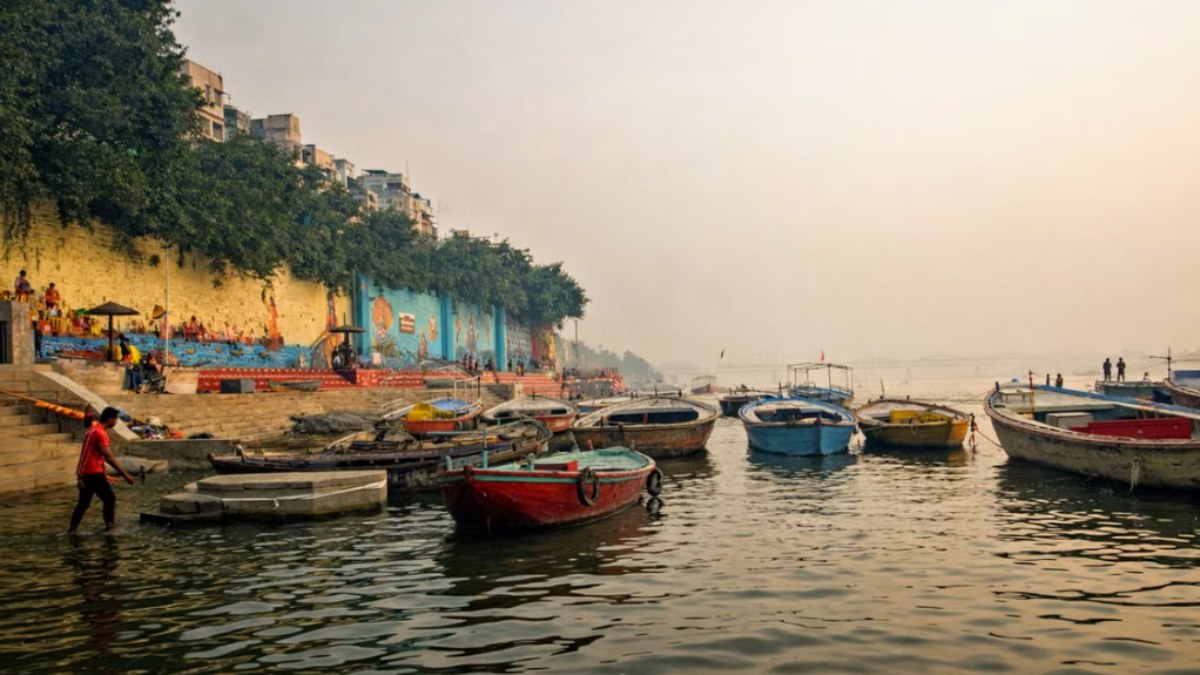
Air pollution is still one of the most pressing environmental and public health issues in the world. Since a recent analysis of global air quality data has revealed that 50 of the most polluted cities in the world are located in only two countries Pakistan and Bangladesh that has shifted the global pollution picture dramatically.
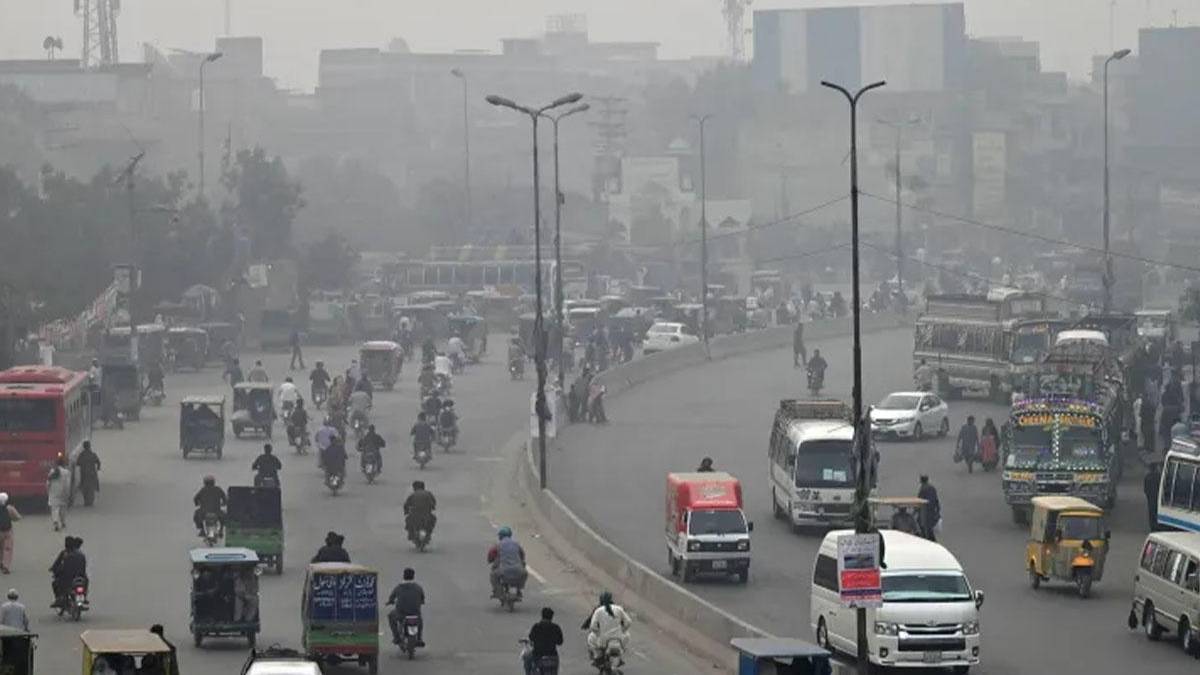
But India, which has often been part of the top pollution ranking in the past, is not among the top 50 cities in this latest ranking.
The findings are based on real-time measurements of PM2.5, microscopic airborne particles with a diameter of 2.5 micrometers or smaller.
These particles are especially dangerous because they can penetrate deep into the lungs and enter the bloodstream, increasing respiratory disease, cardiovascular problems, stroke and premature death risk.
Hazardous PM2.5 concentrations were observed in many cities in Pakistan and Bangladesh due to industrial pollution, vehicle pollution, construction dust, agricultural burning and weather conditions.
Seasonal factors like heatwaves, low wind speed and atmospheric inversion also led to pollutants being concentrated near the ground and air quality deteriorated rapidly.
Although India has dominated annual pollution rankings in previous years, experts warn that its absence from the latest top 50 list cannot be viewed as the end of its air quality issue.
Many Indian cities still have unhealthy air during some months, particularly in winter when stubble burning, vehicle emissions and industrial activities combine with bad weather.
Environmental experts stress that air pollution levels can vary significantly based on the weather patterns, rainfall and other sources of pollution to the air environment. The daily rankings merely give a snapshot of the current status, not the annual average in the long run.
Health experts say long exposure to high PM2.5 levels can be associated with asthma attacks, chronic obstructive pulmonary disease (COPD), lung cancer, heart disease and many more serious health threats. Children, older adults and individuals with existing respiratory illnesses are especially vulnerable.
There are various measures launched by governments in South Asia to reduce pollution in the form of stricter vehicle emission standards, cleaner fuel programs, industrial monitoring and urban greening projects.
But experts say that stronger regional cooperation is required to reduce air pollution because air pollution is often transported across borders through atmospheric circulation.
Climate change is also making the problem more complex. Rising temperatures, frequent droughts, wildfires and erratic wind patterns all contribute to pollution episodes, increasing dust and limiting the dispersion of harmful particles.
Organizations in the environment continue to push governments, industries and citizens to adopt cleaner energy sources, improve public transport and reduce fossil fuel dependency, and enhance air quality monitoring systems.
Residents should be monitoring air quality indexes at their local level, wear protective masks during unhealthy pollution episodes and minimize outdoor activities when pollution levels are high.
The latest rankings remind us that air pollution is still a global problem for all, and we need to act together to solve it. India has not made it in the latest top 50 list but we still need to work in South Asia to protect public health and improve environmental quality, says Dr. Mukherjee.