World Nature Conservation Day every year (July 28), which is an international day to raise consciousness among people of the Earth for natural resources conservation and biodiversity conservation. I will be doing things that the world will know in the future.
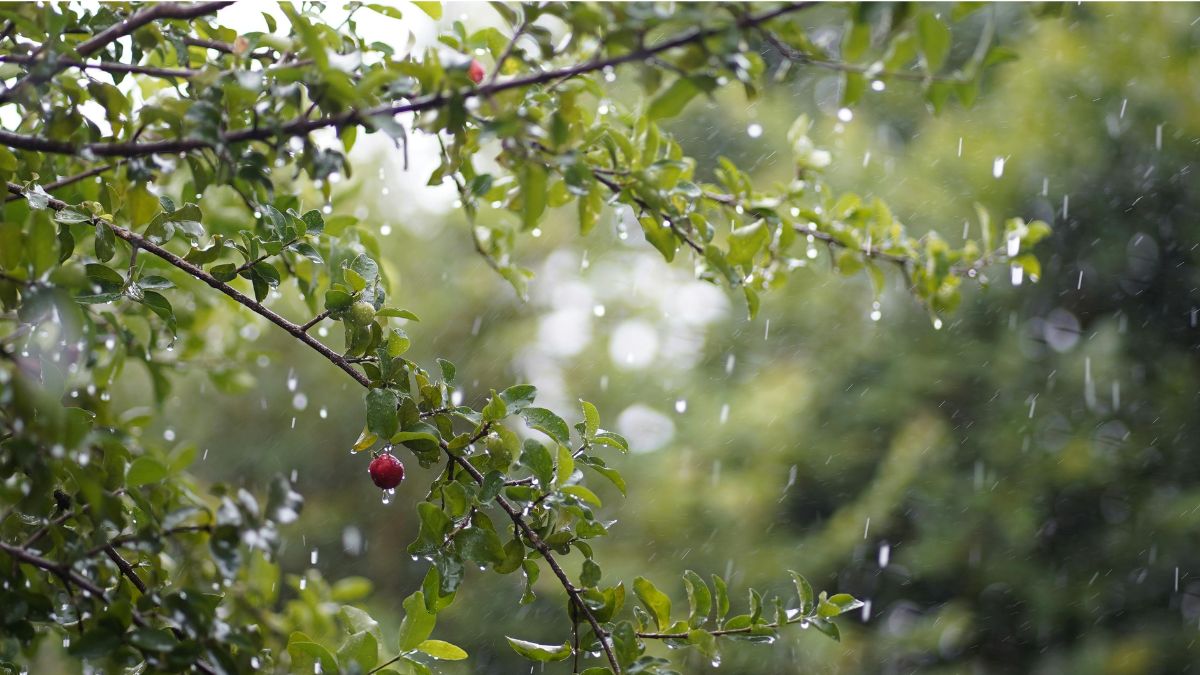
Nature provides everything necessary for life clean air, fresh water, fertile soil, food, medicines, and a stable climate. However, rapid urbanization, deforestation, pollution, climate change, and the unsustainable use of natural resources are placing unprecedented pressure on ecosystems worldwide. World Nature Conservation Day serves as a reminder that protecting nature is not just an environmental responsibility but also a necessity for human survival and sustainable development.
What Is World Nature Conservation Day
World Nature Conservation Day is an annual environmental awareness observance celebrated on July 28. Its primary objective is to encourage people to protect natural resources, conserve biodiversity, and promote sustainable living.
The day highlights the importance of maintaining healthy ecosystems that support all forms of life. It also inspires collective action to reduce environmental degradation and ensure that future generations inherit a healthy and thriving planet.
Why Nature Conservation Matters
Nature conservation involves the protection, restoration, and sustainable management of natural resources such as forests, rivers, oceans, wildlife, and ecosystems.
Conserving nature is essential because it helps:
- Preserve biodiversity
- Protect endangered plant and animal species
- Maintain clean air and water
- Reduce the impacts of climate change
- Prevent soil erosion and land degradation
- Support agriculture and food security
- Sustain livelihoods that depend on natural resources
- Improve human health and well-being
Healthy ecosystems are the foundation of a stable environment and a resilient economy.
Major Environmental Challenges
The planet faces numerous environmental threats that make conservation more important than ever.
Climate Change
Increasing global temperatures are causing melting glaciers, rising sea levels, extreme weather events, prolonged droughts, and changing ecosystems. Reducing greenhouse gas emissions and protecting forests are essential for mitigating climate change.
Deforestation
Millions of hectares of forests are lost every year due to logging, agriculture, mining, and urban expansion. Forests are home to countless species and play a crucial role in absorbing carbon dioxide and regulating the climate.
Pollution
Plastic waste, industrial emissions, chemical contamination, and air pollution harm wildlife, marine ecosystems, and human health. Reducing waste and improving recycling practices can significantly reduce pollution.
Loss of Biodiversity
Habitat destruction, invasive species, overexploitation, and climate change have accelerated the decline of wildlife populations. Conserving habitats and protecting endangered species are vital for maintaining ecological balance.
Water Scarcity
Freshwater resources are under increasing pressure due to population growth, pollution, and excessive consumption. Responsible water management is critical for sustainable development.
Simple Ways to Conserve Nature
Everyone can contribute to environmental protection through small but meaningful actions.
Here are some practical ways to make a difference:
- Plant native trees and support reforestation efforts
- Reduce, reuse, and recycle waste
- Avoid single-use plastics
- Conserve water by fixing leaks and using water-efficient appliances
- Save electricity by switching off unused lights and devices
- Choose sustainable transportation such as walking, cycling, or public transit
- Support eco-friendly products and businesses
- Protect wildlife by respecting natural habitats
- Participate in community clean-up drives
- Educate others about environmental conservation
Collective action at the individual level can create significant positive environmental impacts.
The Importance of Biodiversity
Biodiversity refers to the variety of living organisms, including plants, animals, fungi, and microorganisms. Every species plays a role in maintaining healthy ecosystems.
Biodiversity provides numerous benefits, including:
- Pollination of crops
- Natural pest control
- Soil fertility
- Medical discoveries
- Climate regulation
- Food security
Protecting biodiversity ensures that ecosystems remain resilient and capable of supporting life.
Nature Conservation in India
India is one of the world's most biodiverse countries, home to forests, mountains, deserts, wetlands, mangroves, and rich wildlife. National parks, wildlife sanctuaries, and biosphere reserves help conserve endangered species such as the Bengal tiger, Asian elephant, one-horned rhinoceros, snow leopard, and lion-tailed macaque.
Government initiatives like Project Tiger, Project Elephant, and various afforestation programs have contributed significantly to wildlife conservation and habitat restoration.
Community participation also plays a vital role in protecting forests, rivers, and biodiversity across the country.
How Schools and Communities Can Celebrate
World Nature Conservation Day offers an excellent opportunity to promote environmental awareness through activities such as:
- Tree plantation drives
- Nature walks
- Wildlife photography competitions
- Environmental quizzes
- Poster-making contests
- Recycling workshops
- Cleanliness campaigns
- Educational seminars
- Sustainable gardening projects
- Awareness campaigns on social media
These activities encourage people of all ages to develop environmentally responsible habits.
Building a Sustainable Future
Sustainability means meeting today's needs without compromising the ability of future generations to meet theirs. Nature conservation is one of the most important pillars of sustainable development.
By protecting forests, reducing pollution, conserving water, preserving wildlife, and adopting eco-friendly lifestyles, individuals and communities contribute to a healthier planet.
Every action whether planting a tree, reducing waste, or conserving energy helps create a more sustainable future.
World Nature Conservation Day, observed annually on July 28, reminds us that the health of humanity is closely connected to the health of the natural world. Conserving nature is not solely the responsibility of governments or environmental organizations; it requires the active participation of every individual.
By making conscious choices to protect natural resources, reduce pollution, conserve biodiversity, and live sustainably, we can help preserve Earth's ecosystems for generations to come. Let World Nature Conservation Day inspire us to appreciate nature, respect the environment, and work together toward a greener, healthier, and more sustainable future.