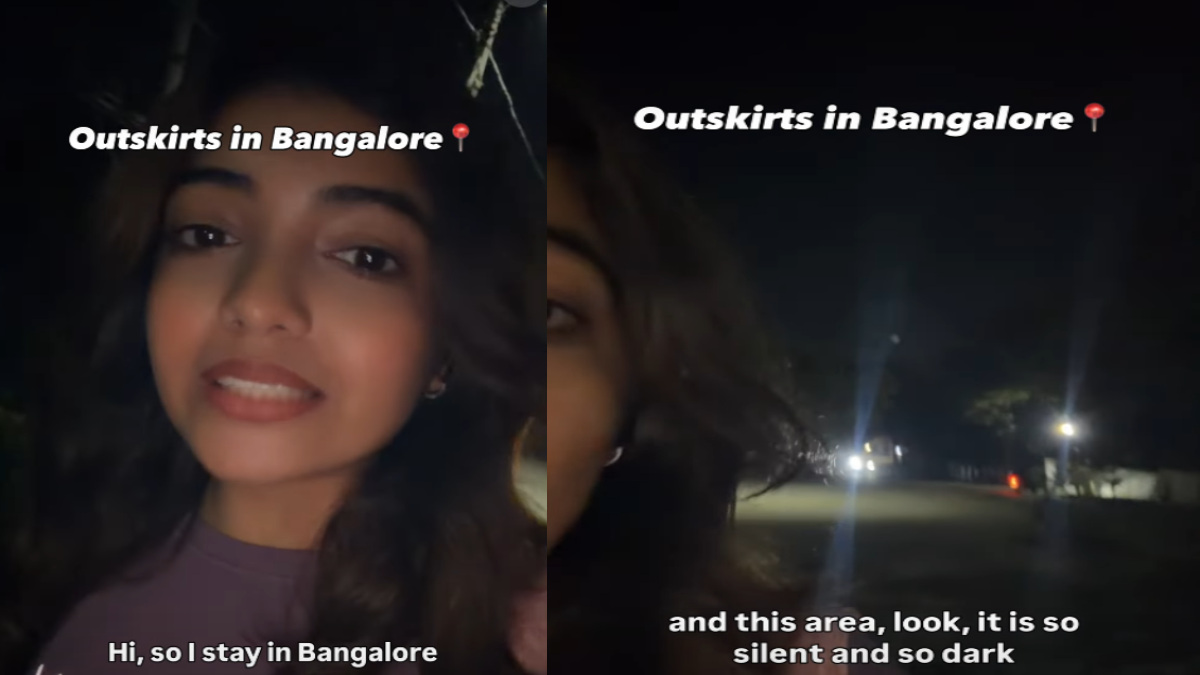
A shocking case in Bengaluru shows how 19 female undergraduate students were lured into a trap by a gang led by a man named Nikhil. The group targeted young women from well-known colleges and invited them to parties, then took advantage of them, using social media as a tool to hook them. The episode prompted very real online safety fears, mistrust and the exposure of young learners in urban cities.

Nikhil, the mastermind behind the crime, recruited Dixon and three other boys to plan his scheme. Their job was to reach rich, well-educated young women through Instagram. They would make friend requests, regularly chat with one another and start to slowly build trust. But the girls’ friendship was strong enough to lead them to what felt like glamorous parties at villas near Jakkur, in Bengaluru.
These were described as raucous, elitist parties. But the plan behind the scenes was sinister. The girls at the villas were allegedly drugged before being sexually assaulted by Nikhil and his gang. The victims, most of whom had arrived at elite colleges left traumatized and defenseless.
The police investigation uncovered the patternical behavior of the gang. In recent years, they have used social media as a kind of hunting ground. And those who looked wealthy and connected are often among the ones they chose, as targets who were selected carefully the boys' actions made girls think this makes them friends. This kind of manipulation made it easier to entice them into the trap.
The case has horrified Bengaluru and the public. Parents, students, and activists have also been venting their anger and fear of the easy misuse of social media. More than some are now advocating that there be better safety, internet-surveillance and tougher sanctions of violence for criminals. Those involved in such crimes are also facing harsher penalties.

The gang is now under investigation, authorities are now asking whether it has links to broader criminal networks which included drug suppliers or possible blackmail operations. Victims are receiving support, but the emotional wounds of exploitation like this are deep.
Even while we see in this case, a danger can lurk behind a screen. Social media is a platform for being connected to the world, it can be exploited by criminals. The Bengaluru case shows the dire need for awareness, vigilance and laws that will protect young people from these traps.