Satna, where the child’s doctors claimed that he had lost both kidneys after receiving treatment to remove kidney stones, is devolving into a very traumatic story of medical negligence.
This has unleashed searing anger and inquiry into patient safety, medical ethics and accountability within the system. The boy had been admitted to hospital for kidney stones and surgery at a private hospital a relatively minor condition after undergoing standard surgical procedures, the agency said at the time. There is also an unexpected turn of events that is covered later on. The doctor attending reportedly pulled both of the child's kidneys instead of following through on the plan. These procedures came to light after the patient’s condition worsened after surgery and his doctor requested a medical evaluation.
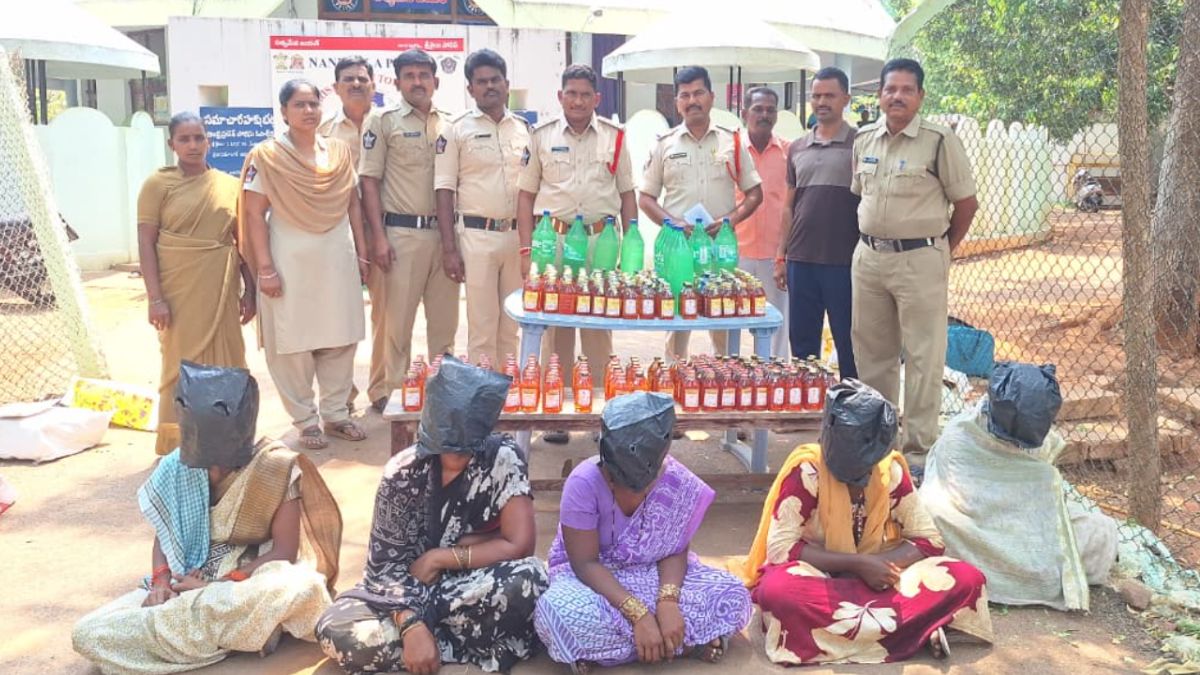
శ్రీశైలంలో భారీగా మద్యం పట్టివేత
— Telugu Feed (@Telugufeedsite) April 14, 2026
బస్సులో మద్యం తెస్తున్న ఐదుగురు మహిళలు అరెస్ట్
ఆత్మకూరుకి చెందిన ఐదు మంది మహిళల వద్ద నుండి 314 క్వార్టర్ బాటిల్స్, 24 లీటర్ల నాటు సారా స్వాధీనం
శ్రీశైలంలో బెగ్గర్స్ను, హోటల్లో పనిచేసే సిబ్బందిని టార్గెట్ చేసుకొని మద్యం అమ్ముతున్న మహిళలు… pic.twitter.com/2Q782tIjHQ
Only later, on investigation, were both kidneys discovered missing. As one explanation put it, confronted by an interrogation from the doctor, he had said that the procedure was a "mistake," and that he hadn't meant to remove those kidneys, however much they were done mistakenly.

It has been attacked by both medicine and medical staff. Kidney removal medical procedures are medically planned emergencies-planned procedures, termed bilateral nephrectomy for short, but very complex.
Experts even feel that it is extremely terrifying to think of such an outcome as “accident,” and that it is worthy of being considered an in-depth investigation on the part of the medical community. The child is now very ill and in dire condition. Without kidneys, the body cannot eliminate waste from the bloodstream, so the patient will ultimately have to have either dialysis surgery or undergo a kidney transplant for life.
But it is not only a severe medical crisis it is also monumental emotional and financial strain on the child’s family. Investigators probably will embark on conducting a full investigation looking at surgical records, hospital procedures and the qualifications and behaviors of the staff who performed the procedure. If negligence is proved, the case could be the focus of devastating criminal charges ranging from medical malpractice to endangerment of life, legal authorities say.
It’s a cautionary tale that we need to tightly control health facilities, especially in smaller cities, where oversight is lax,” they said. Advocates for patients’ rights call for “transparent inquiry,” strict punitive measures against abusers and even damages for families harmed by their abuse. It’s a matter of accountability and moral comportment, concepts emphasized by medical professionals, too.
“These are not only patients who suffer and the healthcare system therefore does not have credibility.” That is a broader question in the long-term, and after all these angles of the investigation have been taken into account, the question is justice for the child and ensuring it doesn’t happen again. What they did here remains a stark reminder that despite our current efforts within healthcare institutions to always prioritize the safety of patient that no negligence shall ever come to either side of the table. Satna, whose doctors said he lost both kidneys after receiving treatment designed to get rid of kidney stones, is turning into a very traumatic story of medical negligence.
This has ignited fury and questions about patient safety, medical ethics and accountability in the system. The boy had been hospitalized for kidney stones and surgery at a private hospital a comparatively minor condition after undergoing standard surgical procedures, the agency said at the time he was admitted.
Later on we are informed of a surprising twist of events. The doctor attending reportedly withdrew both kidneys of the child instead of executing his plan. These procedures were disclosed after the patient’s condition deteriorated after surgery and he asked his physician for a medical evaluation. Both kidneys, in fact, were later found missing. Given this perspective: when asked by the doctor for an explanation during an interrogation session, he said that although the operation was “mistakeful,” it did not indicate he intended to remove those kidneys (which went wrong). It has been attacked by both medicine and medical personnel.
Kidney removal medical procedures are planned operations for emergencies, called bilateral nephrectomy, that are very complex. It is terrifying to consider such an outcome to be “accident,” experts say and it warrants a thoughtful consideration. The child is currently critically ill and in very bad health. Without kidneys, the body cannot eliminate waste from the bloodstream, meaning the patient will eventually need dialysis or a kidney transplant and it is likely for life.
It has also turned into a real medical emergency but also a huge emotional and financial burden on the child’s family. Investigators are likely to start a full investigation reviewing surgical records, hospital protocols and the qualifications and behavior of the people who performed the operation. Should negligence be found, legal authorities estimate, the case could end up being charged with damaging crimes such as medical malpractice and life-threatening negligence.
The case is a cautionary tale that we need to impose rigorous control over health facilities, especially small cities that lack proper oversight. Advocates for patients’ rights call for “transparent inquiry,” harsh punishments and even damages for families injured by their abuse.
It’s also about accountability and moral comportment, which medical professionals emphasize, too. “It’s not just patients that are suffering and hence the healthcare system doesn’t appear credible.” That is the long-term question, and after examining the many angles of the investigation, the question is justice for the child and preventing a recurrence. What they’ve done herein has done a grim reminder that when it comes to healthcare institutions, safety of patient no negligence can slip in and out of consideration.