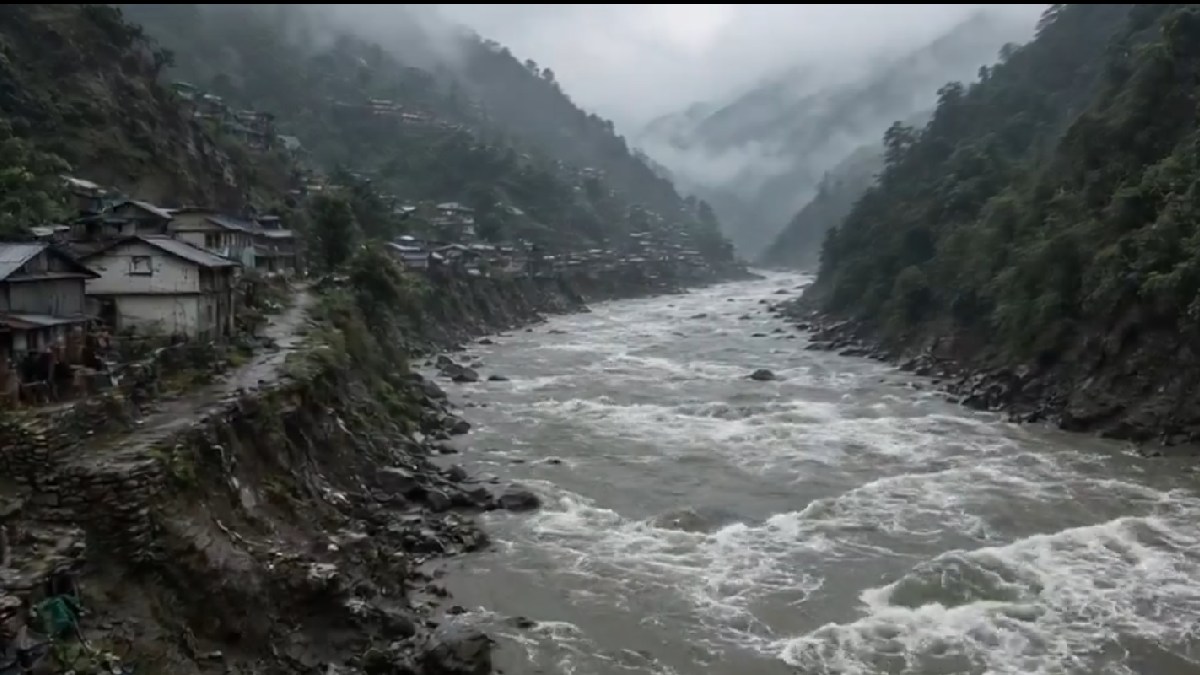
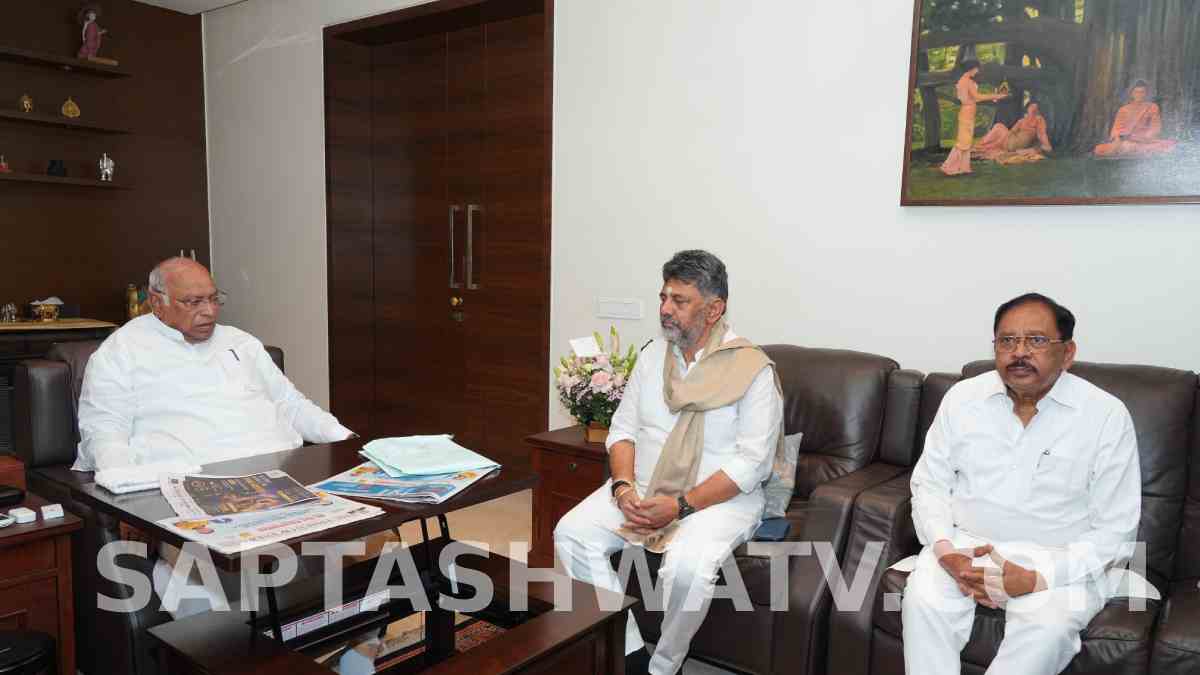
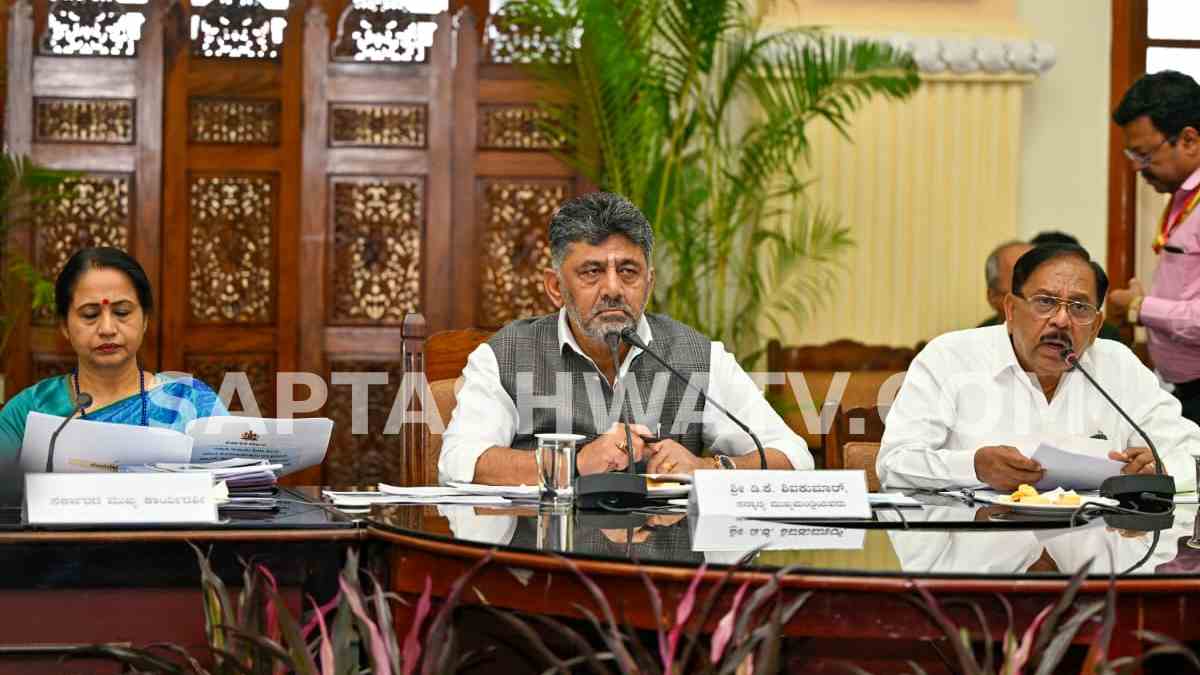
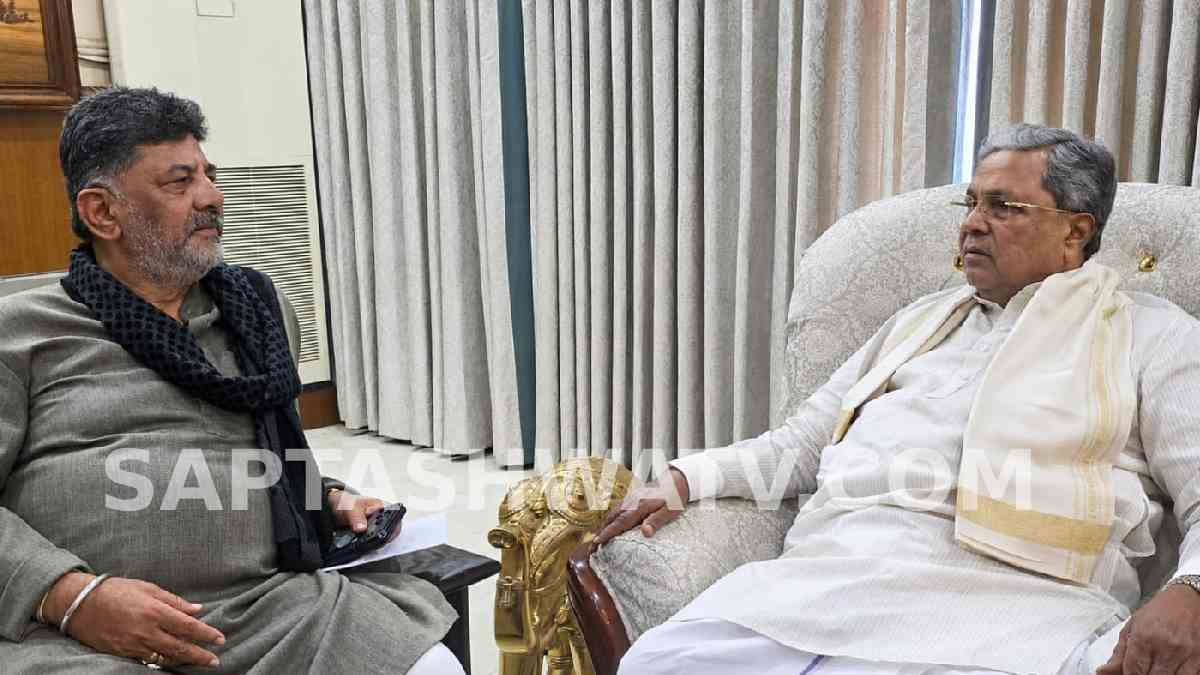
Karnataka Chief Minister has written to Prime Minister Narendra Modi for immediate help and financial assistance from the central government in dealing with a worsening drought situation caused by a 30% deficit in monsoon rainfall. The letter warns of declining water availability, increased pressure on the agriculture sector and people's lives and is worried about the impact on millions of people who depend on farming and allied activities.
And with some districts experiencing below-normal rainfall in the current monsoon season, the state government has appealed to the Centre for immediate assistance to address the state’s current situation.
The Chief Minister said that an extremely low rainfall deficit has affected agricultural operations in many parts of Karnataka. Farmers who depend on monsoon rains for sowing and crop growth are in a state of uncertainty as low rainfall has delayed cultivation in some areas and threatened standing crops in others.
The Chief Minister’s letter to the Prime Minister reportedly indicated the seriousness of the situation, saying if rainfall does not improve in the coming weeks, the state may see a further deterioration in water availability for irrigation, drinking purposes and livestock. Reservoir storage, groundwater recharge and inflows into rivers will also be affected if the rainfall deficit remains.
Besides agriculture, prolonged dry conditions affect rural livelihoods, as many households depend directly or indirectly on farming for income. Poor crop yields can affect agricultural labourers, transporters, traders, dairy farmers and other sectors that are directly related to the rural economy. Weather is being monitored and the rainfall deficit across districts is being assessed to determine the extent of the problem.
The state government has requested the Centre to consider extending drought relief measures, including financial assistance under applicable disaster relief mechanisms. That help can be used for drinking water supply schemes, crop damage assessment, employment generation, fodder availability for livestock and other emergency measures to reduce hardship in affected areas.
Experts say that Karnataka is generally uneven in monsoon distribution because of its diverse geography with some areas receiving lots of rainfall but others remaining dry. But in the long term, a statewide rainfall deficit of around 30% during the critical monsoon period can have a significant impact on agricultural production and water resources if the shortfall continues over an extended period.
Meteorologists state that the distribution of rainfall is often more important than the amount of rain received. While heavy rains occur late in the season, dry spells in the major sowing and crop development stages may adversely affect agricultural productivity. So timely rainfall remains crucial for successful cultivation in rain-fed farming areas.
The state administration has already started district-level reviews and directed authorities to closely monitor reservoir storage, groundwater levels, crop conditions, and drinking water availability. Agriculture, water resources, rural development, disaster management and other departments are also working together to prepare contingency plans in case the dry conditions continue.
Farmers’ organisations have also voiced concern over the rainfall deficit and appealed to both state and Central governments to provide timely assistance, including crop insurance settlements, interest relief on agricultural loans, and compensation for crop losses if necessary.
Climate experts say changing weather patterns and climate variability have made forecasting of monsoon and agricultural planning more difficult in the last few decades. Many states in India are investing in drought-resilient farming practices, better irrigation infrastructure, water conservation and climate-smart agriculture to reduce reliance on unpredictable rainfall.
All eyes are now on the Centre’s response to the Chief Minister’s request for help as Karnataka awaits more monsoon activity. Timely financial support, effective water management, and coordinated relief measures will be vital to protect farmers, maintain drinking water security and minimize the economic impact of the rainfall deficit.
We will know in the next weeks whether the rainfall is improving sufficiently to alleviate the drought threat or if more emergency measures will be needed. The state government is monitoring the situation as it is and is advising citizens and the administration to use water resources wisely.