As the calendar turns to August 1, a number of important financial and regulatory changes are going to be enacted across India. These updates, from LPG cylinder price changes to changes in credit card policies and more, will affect the monthly budgets of households, salaried employees, and consumers alike.
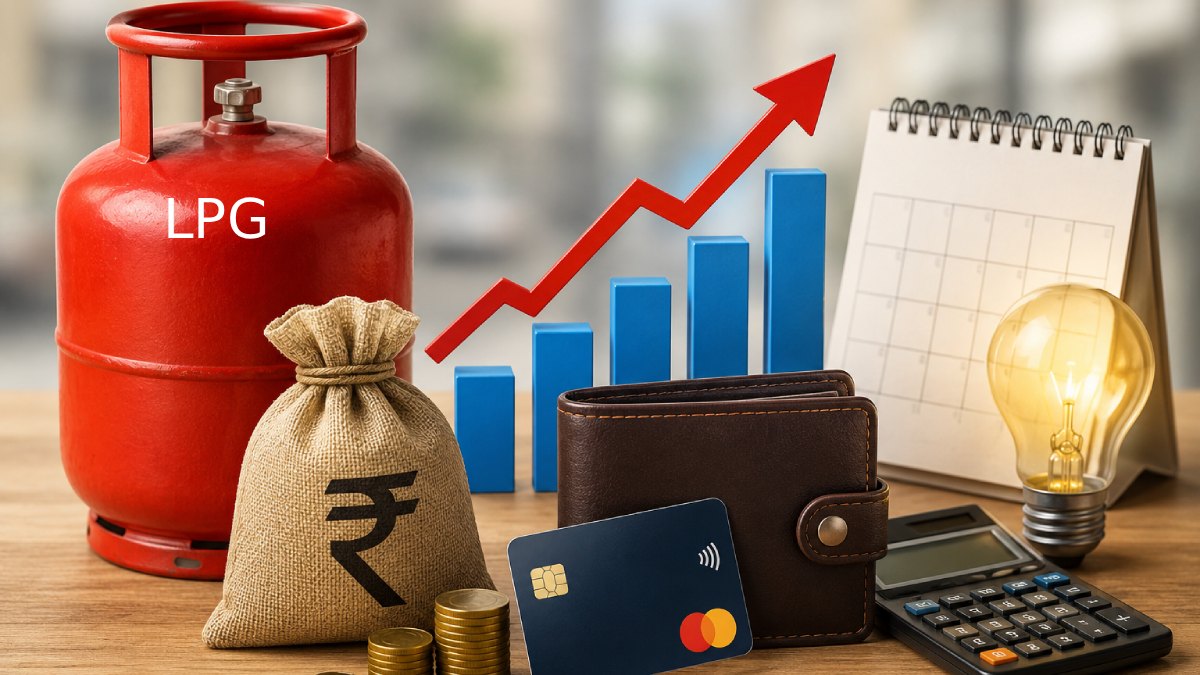
Many of these changes are part of routine monthly updates made by government agencies, banks, and financial institutions, and some even reflect updated policies aimed at improving customer service or aligning with changing market conditions. Staying updated on these developments can help consumers manage their finances more effectively and avoid unexpected expenses.
There are five big changes that will change your finances from August 1.
1. LPG Cylinder prices may be revised
Oil marketing companies generally assess the price of domestic and commercial LPG cylinders on the first day of every month. Depending on international crude oil prices, exchange rates, and domestic market conditions, LPG cylinder prices could increase, decrease, or remain unchanged.
Any change in domestic LPG prices directly affects household cooking costs, while changes in commercial cylinder prices can affect the operating costs of restaurants, hotels, and small businesses. Consumers planning their monthly budgets should keep an eye on the revised LPG rates announced on August 1.
2. Credit card rules may change
Several banks regularly revise the terms and conditions of their credit cards. From August 1, some card issuers may introduce new reward structures, transaction charges, lounge access policies, spending thresholds, or fee changes for certain credit card types.
Cardholders should study any changes from their banks. If you can remember more about benefits, charges, and eligibility then you can have more money.
3. Banking and Financial Service Updates
Banks and financial institutions often introduce new service charges, transaction limits, or digital banking features at the beginning of a new month. While not every bank introduces changes at once, customers should check if their bank has announced any changes to account maintenance charges, ATM usage, fund transfers, or other banking operations.
Digital banking platforms continue to expand their offerings, making it easier for customers to manage accounts, transfer funds, and complete financial transactions without visiting branches.
4. Fuel Price Revisions
Although petrol and diesel prices are revised more frequently in many regions, consumers should continue monitoring fuel prices during the beginning of the month and keep track of them in advance, especially when global crude oil prices experience significant fluctuations. Transportation costs are very much linked to household budgets, daily commuting expenses, and logistics costs in many industries.
Small changes in fuel prices can affect monthly costs for people who depend on personal vehicles or commercial transportation.
5. Personal Budget Planning and Monthly Bills
The start of any month is also the perfect time for households to review recurring expenses such as electricity bills, broadband subscriptions, mobile recharge plans, insurance premiums, EMIs, and investment contributions. Service charges or utility tariffs introduced by providers may affect monthly spending.
Financial planners recommend a monthly budget that takes into account the most basic expenses when planning for discretionary spending. Tracking recurring payments helps families keep financial discipline and avoid unnecessary debt.
What effects could such changes have on consumers?
Although each individual change is quite small, the total impacts can have a great impact on monthly household finances. An increase in LPG prices raises kitchen expenses, revised credit card policies may alter reward benefits or fees, and transportation costs may affect overall spending patterns.
Consumers who regularly monitor policy updates are better prepared to adapt their budgets and make informed financial decisions. Reviewing monthly expenses, reducing unnecessary purchases, and utilizing digital banking services can help minimize the impact of changing costs.
Financial experts recommend planning an emergency fund and reviewing personal finances regularly to accommodate price changes or unanticipated costs. People should pay close attention to official announcements from banks, oil marketing companies, and government agencies before making financial decisions based on anticipated changes.
Such regular updates are a reminder that keeping up with financial developments is very important as August begins. LPG cylinder prices, banking services, and credit card policies can be well explained to households to help with their monthly expenses and financial stability.
Consumers are urged to check notifications from their banks, service providers, and relevant authorities to be aware of any changes. With proper planning and timely information, households can adapt to new rules while managing their monthly budgets with confidence.