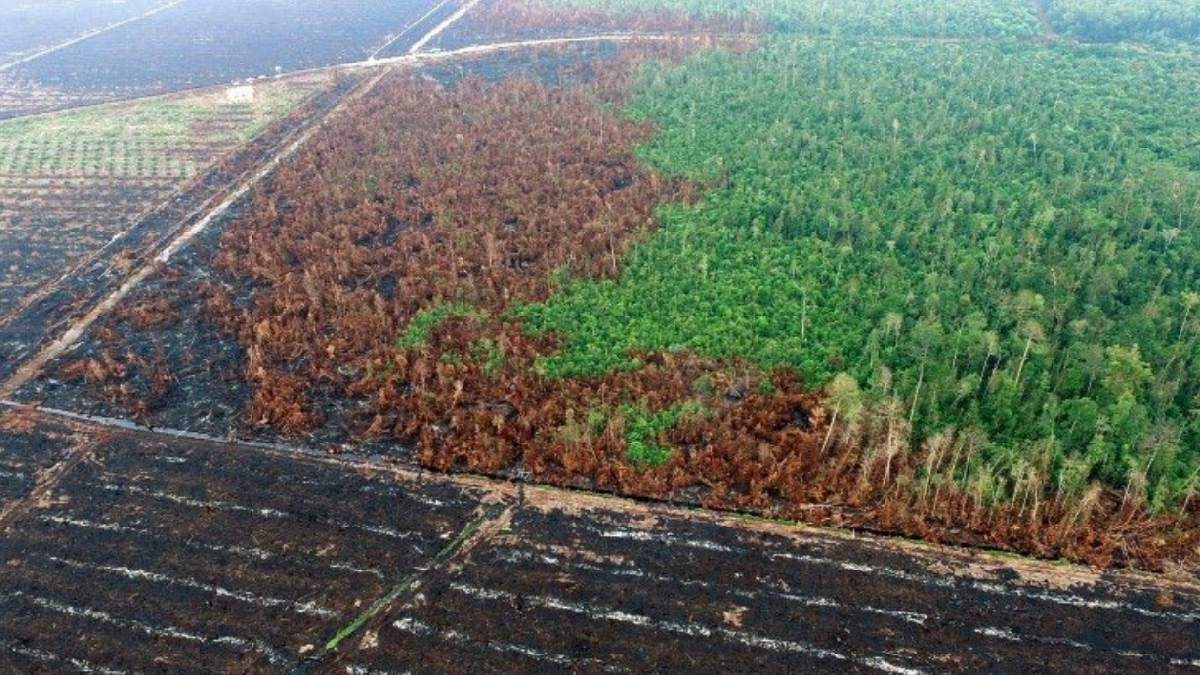
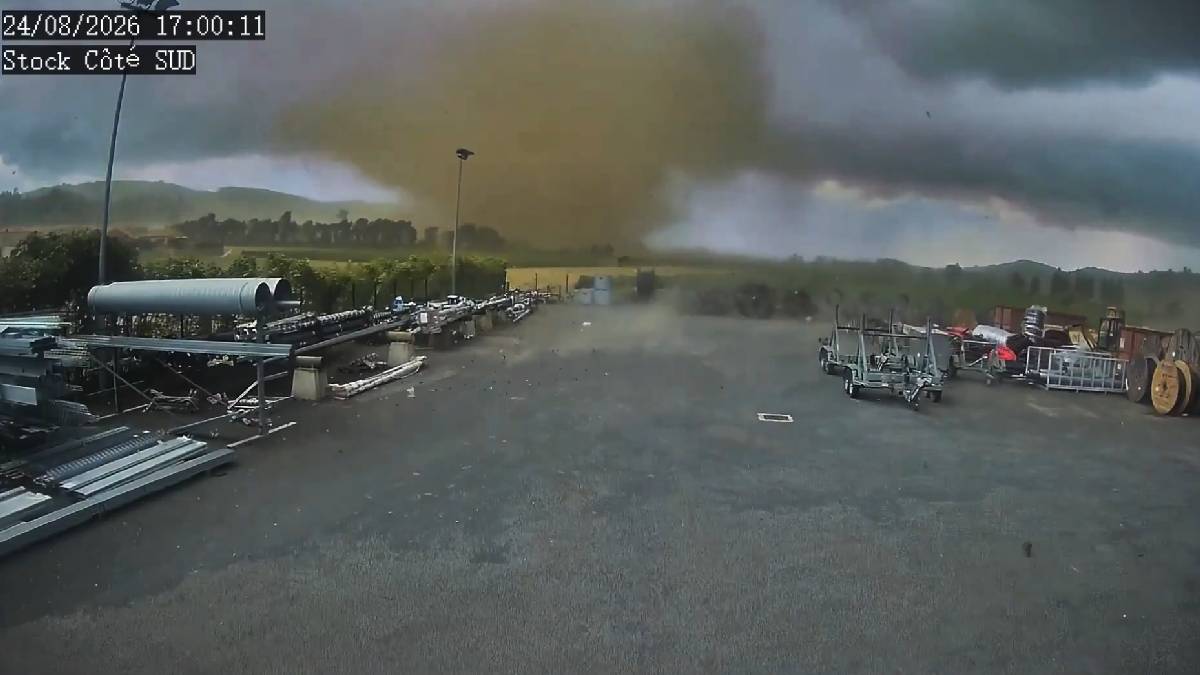
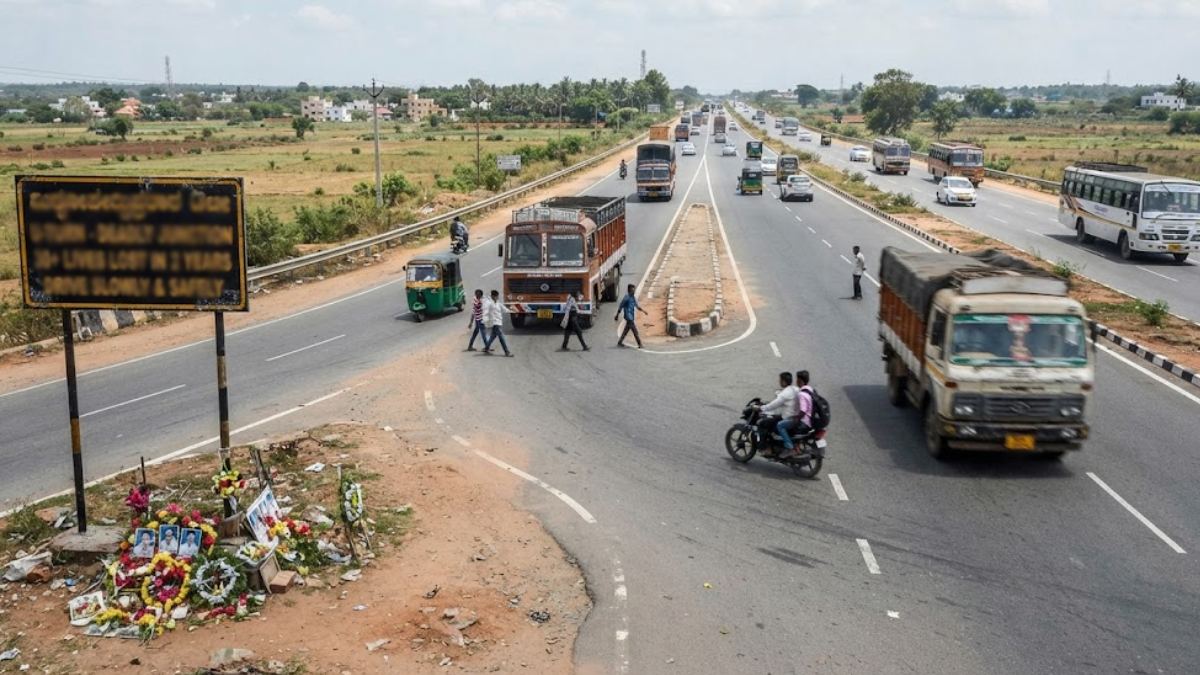
Ahmedabad and Hyderabad are among the world’s least climate-resilient major cities in a new global assessment according to a new global survey. The ranking of 72 of the world’s largest cities measured how vulnerable they are to climate hazards and how well prepared they are to respond to those risks when it comes to climate change.
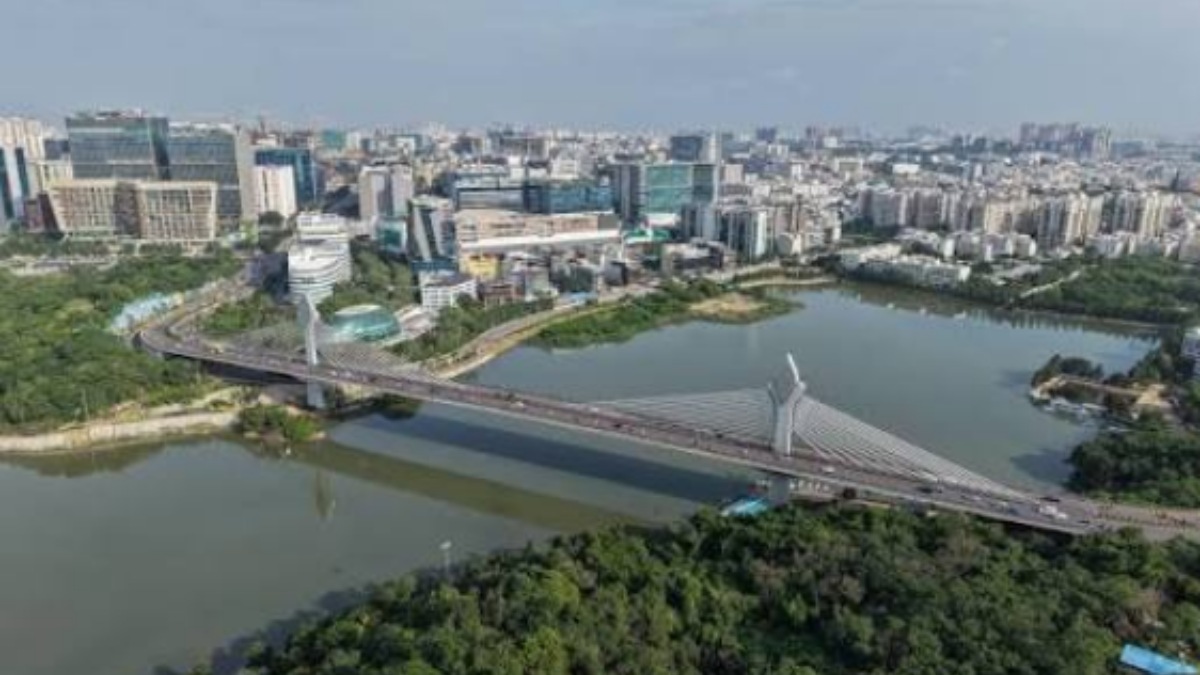
The study was conducted by geospatial artificial intelligence firm AlphaGeo based on its Climate Risk & Resilience Index. It looked at physical exposure to climate threats and how well adaptation measures were being put in place.
The least climate-resilient city was Ahmedabad, which was the least climate-resilient city in the survey. Hyderabad was also at the bottom of the list.
The results illustrate the growing climate problems for major cities in South Asia. Extreme heat, flooding, and other climate-related hazards are becoming increasingly prevalent in the region.
Ahmedabad and Hyderabad are at high climate risk.
According to AlphaGeo, Ahmedabad had a resilience-adjusted risk score of 41. The score was the highest among the cities considered and was at the bottom of the global resilience ranking.
The report separates the physical exposure of a city from the ability to adapt. In other words, a city may face serious climate threats, but at least in terms of infrastructure, planning and adaptation measures can reduce its overall risk.
Ahmedabad’s high risk is linked to extreme heat exposure. The city has a history of climate-related problems that are also related to flooding and waterlogging that occurs during heavy rainfall.
Hyderabad was also among the cities with the highest residual climate risk. The ranking placed Hyderabad near the bottom, along with several other South Asian cities.
The six highest-risk cities identified by AlphaGeo were Ahmedabad, Hyderabad in Pakistan, Multan, Dhaka, Kolkata and Lahore. South Asian cities faced a combination of very high physical exposure and relatively limited adaptation compared with the scale of the risks.
The ranking also shows that climate risk is not determined by geography alone. AlphaGeo said cities with similar levels of physical exposure can have very different levels of remaining risk depending on the adaptation measures they have introduced.
It makes infrastructure, planning and investment an important part of climate resilience.
Ahmedabad’s position is particularly special because the city had been recognized for its preparation for extreme heat earlier in the past as one of the best in South Asia. After a deadly 2010 heatwave, Ahmedabad launched a Heat Action Plan in 2013. It is one of the earliest major city-level heat action plans in South Asia.
But the new ranking suggests existing measures may not be enough to offset the city’s overall exposure to climate hazards.
At the other end of the ranking, Chicago was ranked as the world’s most climate-resilient major city, with a resilience-adjusted risk score of 8. Addis Ababa, Melbourne, Barcelona and Ankara were also among the top five.
The contrast shows how adaptation can influence a city’s overall climate risk. Better infrastructure and better preparedness may alleviate some of the risks that are built into them by their physical environment.
The results for Indian cities underline the need for better climate planning for cities. Rising temperatures, rapid urbanisation and pressure on drainage and green spaces can also make cities more vulnerable to extreme weather.
Ahmedabad and Hyderabad are two of the fastest-growing urban centers. Their ranking shows the need to improve infrastructure and prepare for more frequent and intense climate-related events.
It is not a sign of failure of these cities to adapt to climate risks. Rather, it is a sign of the gulf between the hazards they face and the state of adaptation at present.
With the global climate change crisis still affecting cities, likely, the improvement of drainage systems, greater access to green spaces, better heat preparedness, and investment in resilient infrastructure will be more and more important for Indian cities.