Images of starving and weakened orangutans have brought to light the damage wildfires and deforestation have done to one of the world’s most endangered great apes. Much of Borneo’s forests have been torched by wildfires, leaving orangutans hungry and lacking shelter as they lose their natural habitat.
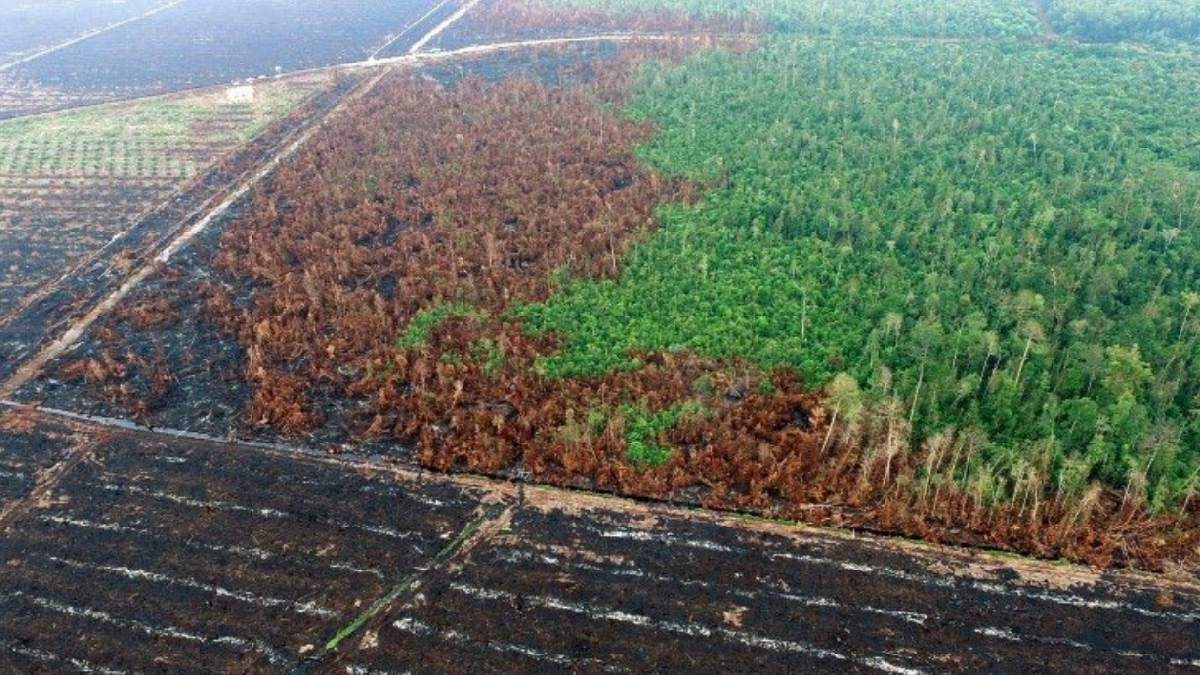
More than 60.2 percent of Bornean orangutan habitat has been burned in just three months, showcasing the magnitude of the environmental crisis facing the species. The destruction is especially dire because orangutans rely on forest ecosystems for food, nests and protection. Scattered populations of orangutans are pushed into more fragmented areas where survival becomes much more difficult when forests are cut up or burned.
It is a situation very closely related to land clearing for palm oil plantations. Fire is a relatively inexpensive way to clear vegetation and prepare land for agricultural use. But fires can spread beyond what is planned for them in dry weather and destroy vast sections of tropical rainforest and threaten wildlife in their path.
The consequences can be disastrous for orangutans. These animals spend most of their lives in trees and rely on a range of forest plants and fruits for food. Fires destroy their habitat, which can be the primary source of food for them, and when fires consume their food sources, orangutans are often found very underweight, dehydrated, and tired as they move closer to plantations and human settlements in search of food.
The local rescue agencies working in the affected areas are looking for animals affected by smoke, hunger and habitat destruction. Rescuers may encounter orangutans suffering respiratory problems when they are exposed to wildfire smoke. Those in need of immediate medical care are taken into care, where they can receive treatment and nutritional support.
Rehabilitation is often a lengthy process for those rescued from severely damaged areas. Orangutans’ recovery from trauma and illness may take time. Wildlife experts must also identify suitable forest areas where rehabilitated animals can eventually be released without exposing them to the same threats.
The plight of Bornean orangutans has also reignited global concerns about palm oil production. Palm oil is found in a lot of everyday products, from processed food to cosmetics to soaps and household items. Environmental activists have been calling for more responsible sourcing and stronger protections for tropical forests.
Calls for consumers to boycott palm oil products have emerged alongside the latest images of suffering orangutans. However, palm oil is an important agricultural commodity and provides livelihoods for millions of people. Environmental advocates have therefore also pushed for sustainable production, better certification, forest conservation, and a higher degree of accountability in the supply chain.
The Borneo crisis underscores the broader connection between consumer demand and environmental destruction. A product sitting on a supermarket shelf can have a supply chain stretching over continents, perhaps connecting everyday consumption with agricultural practices in some of the world’s most important ecosystems.
The issues have become more acute since five orangutans were rescued in India. Orangutans are not indigenous to India, so it’s very mysterious to know how they got there and where they came from. Their rescue has made us more aware of illegal wildlife movement and the international trade in exotic animals.
Orangutan Spotted in Odisha !!
— Amiya_Pandav ଅମିୟ ପାଣ୍ଡଵ Write n Fight (@AmiyaPandav) September 8, 2026
Seems so strange ! One Male,two female and two baby orangutans are rescued by forest department in Bichitrapur village of Bhogarai constituency, Balasore district of Odisha. People of this area have become crazy to see these rare species here.… pic.twitter.com/Y9bAAb71ST
Bornean orangutans already are under enormous pressure from habitat destruction, forest fragmentation, fires and other human-generated threats. The latest fire emergency is another risk for the species that has seen its numbers drop dramatically in the past decades.
The images of hungry orangutans huddled in smoke and burned forests show a picture more than an isolated wildlife rescue tale. They illustrate what happens when tropical forests get rapidly transformed for human use. Conservationists think protecting forests before they are destroyed is more effective than saving animals when disaster strikes.
As rescue teams continue to care for orangutans affected by the fires, conservationists are calling for governments, businesses and consumers to address the root cause of habitat loss. Keeping Borneo's remaining rainforests, ensuring responsible agricultural development, and preventing destructive fires will be key to giving future generations of orangutans a chance to survive in the wild.