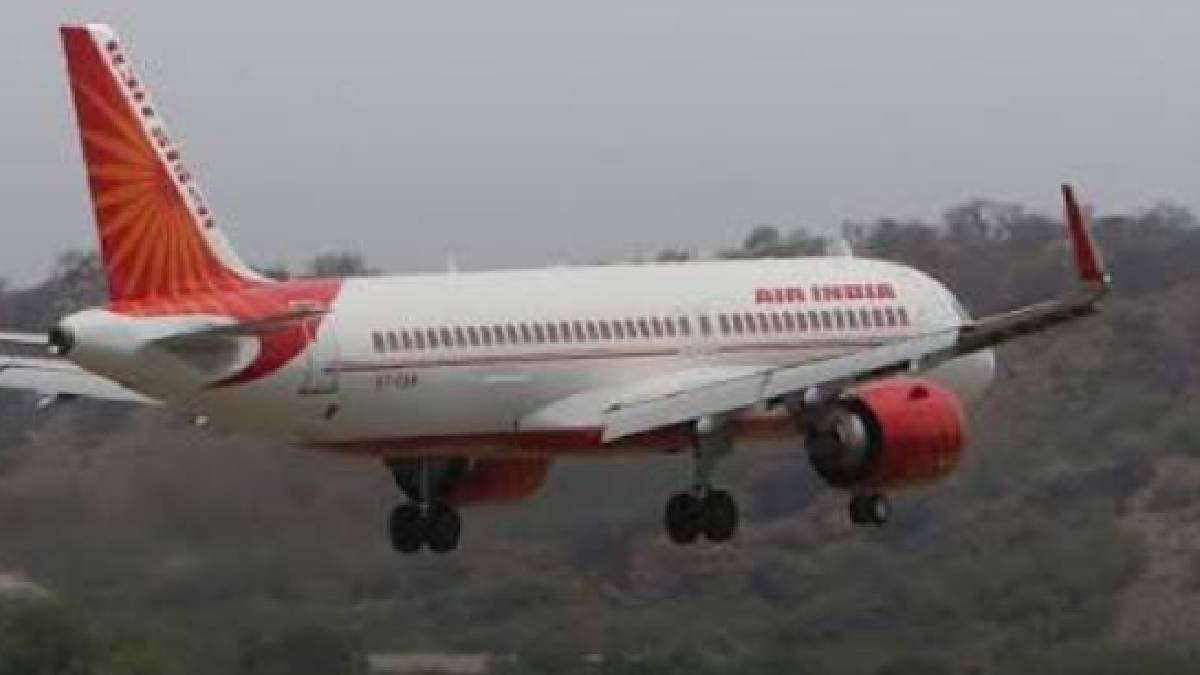
A serious aviation safety incident unfolded at Mumbai's Chhatrapati Shivaji Maharaj International Airport when an Air India aircraft and an Air India Express plane reportedly came face-to-face on the same runway, raising fresh concerns about airport traffic management and operational safety.
Although no injuries or damage were reported, the incident has sparked discussions about runway coordination and the importance of strict adherence to air traffic control procedures.
According to preliminary reports, the two aircraft found themselves on the same runway during airport operations, creating a potentially dangerous situation.
The incident was resolved before any collision occurred, thanks to timely intervention by air traffic controllers and the quick response of the flight crews.
Both aircraft were safely redirected, preventing what could have become a major aviation disaster.

Authorities have initiated an investigation to determine the exact sequence of events that led to the runway conflict.
Officials are expected to review communication records, air traffic control instructions, aircraft movements, and surveillance data to identify whether procedural lapses, human error, or operational misunderstandings contributed to the incident.
Mumbai's Chhatrapati Shivaji Maharaj International Airport is among India's busiest airports, handling hundreds of domestic and international flights every day.
Managing such high traffic volumes requires precise coordination between pilots, ground staff, and air traffic controllers.
Even minor communication errors or delays can significantly increase operational risks, making strict compliance with aviation safety protocols essential.
The Directorate General of Civil Aviation (DGCA) is likely to closely monitor the investigation, as runway incursions are treated as serious aviation safety events worldwide.
International aviation authorities continue to emphasize enhanced runway awareness systems, improved communication standards, and advanced monitoring technologies to minimize the risk of similar incidents.
Aviation experts note that while runway conflicts are rare, they serve as critical reminders of the importance of continuous safety improvements.
Modern airports employ multiple layers of safety measures, including radar surveillance, runway lighting systems, digital tracking, and standardized communication procedures.
These safeguards are designed to detect and prevent conflicts before they escalate into emergencies.
Passengers aboard both flights were reportedly safe, and airport operations continued with minimal disruption after the situation was brought under control.
Airline officials are cooperating with investigators and have reiterated their commitment to maintaining the highest standards of operational safety.
The incident has also renewed public attention on India's rapidly expanding aviation sector.
With passenger numbers continuing to rise and airlines adding new routes, airports are under increasing pressure to manage higher traffic efficiently while maintaining uncompromising safety standards.
Investments in upgraded airport infrastructure, advanced air traffic management technology, and regular pilot and controller training remain critical to supporting this growth.
As investigators examine the circumstances surrounding the Mumbai runway incident, aviation professionals hope the findings will strengthen existing safety procedures and help prevent similar occurrences in the future.
While the prompt actions of air traffic controllers and flight crews prevented a potentially catastrophic outcome, the event underscores the need for constant vigilance in one of the world's fastest-growing aviation markets.