The tension between the US and Iran has gotten even more acute after U.S. President Donald Trump declared the Strait of Hormuz as “American territory,” much to the shock of Iranians. Trump’s comments at a political rally, reinforced on social media, are only adding to the diplomatic friction between the two countries at a time when the strategically vital waterway is at the centre of a wider geopolitical conflict.
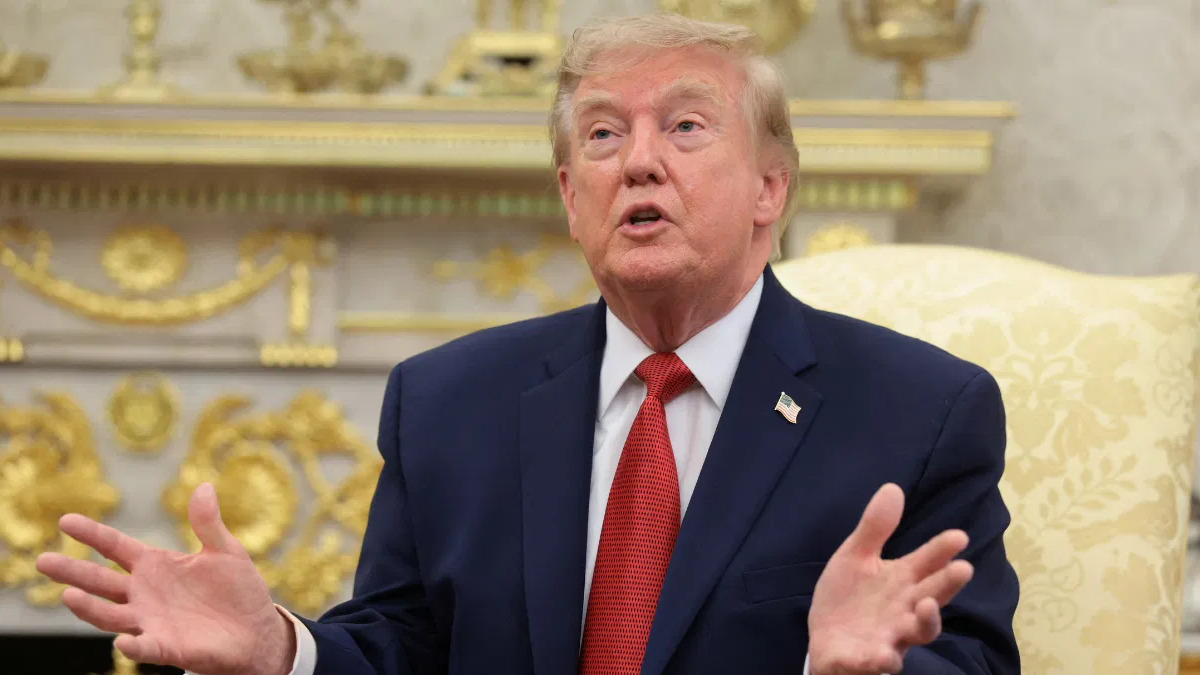
Trump claimed that the United States is in complete control of the Strait of Hormuz given its naval presence and security efforts around it. He said commercial vessels can only travel safely on the waterway if American military protection is in place, and claimed that Washington is in charge of how the passage is used. Trump also posted a map online that portrayed the Strait as a “new US territory,” an assessment that drew fire from Iranian officials and observers across the Middle East.
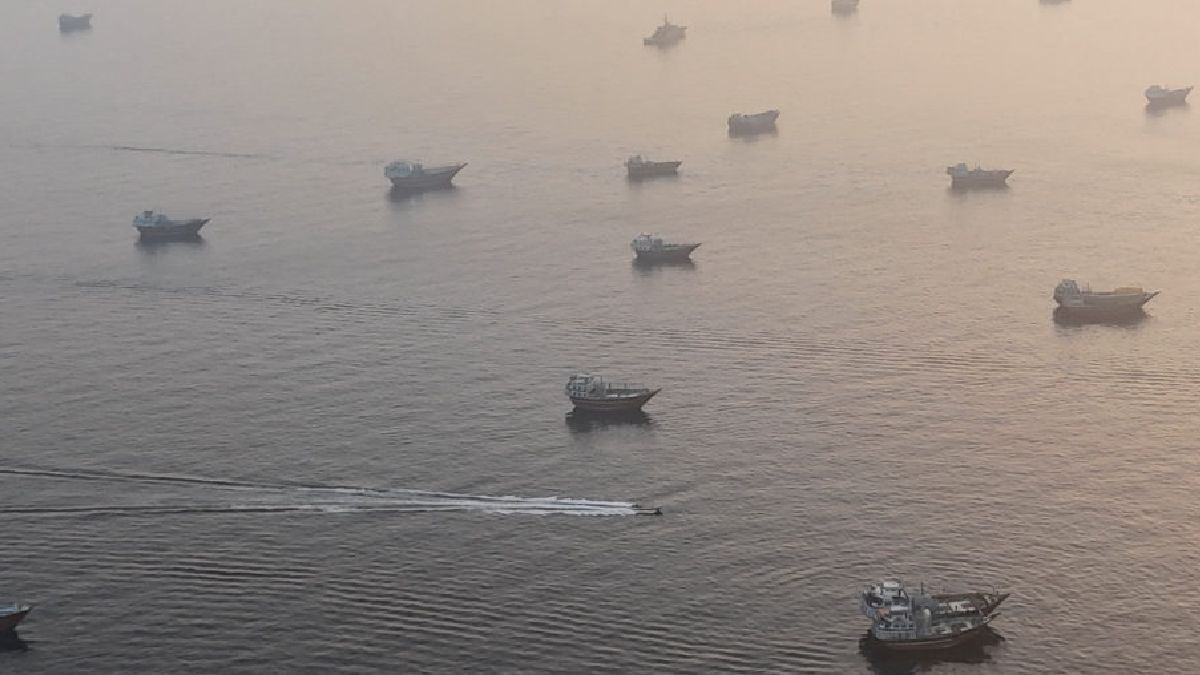
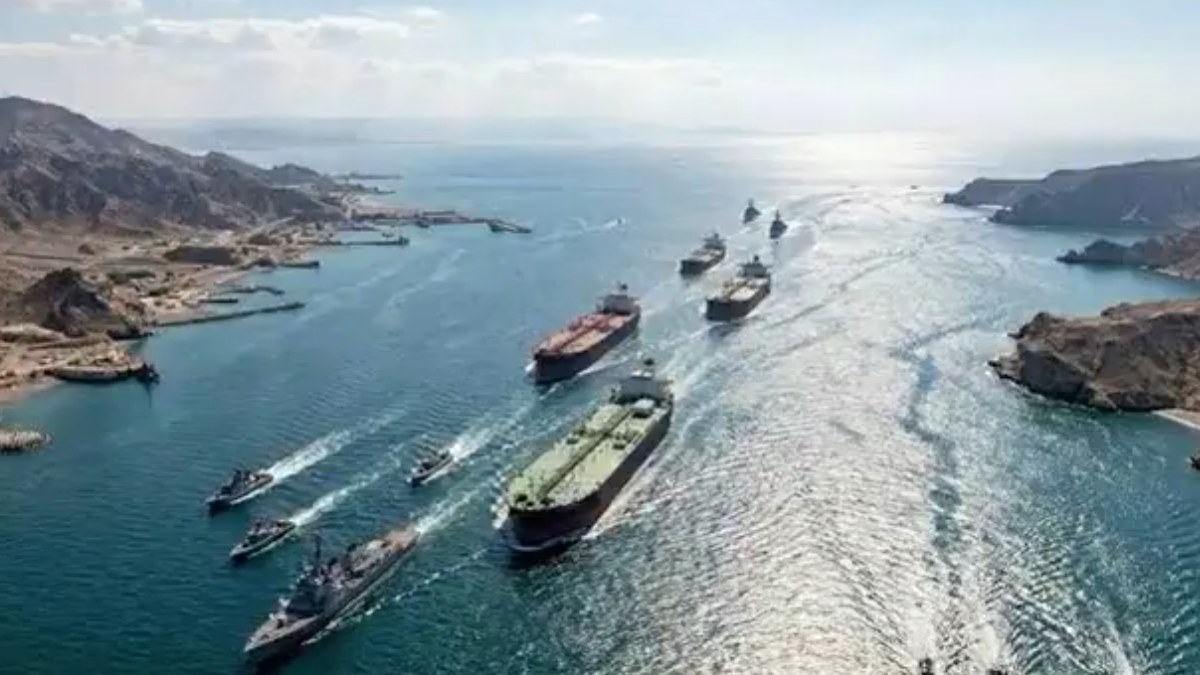
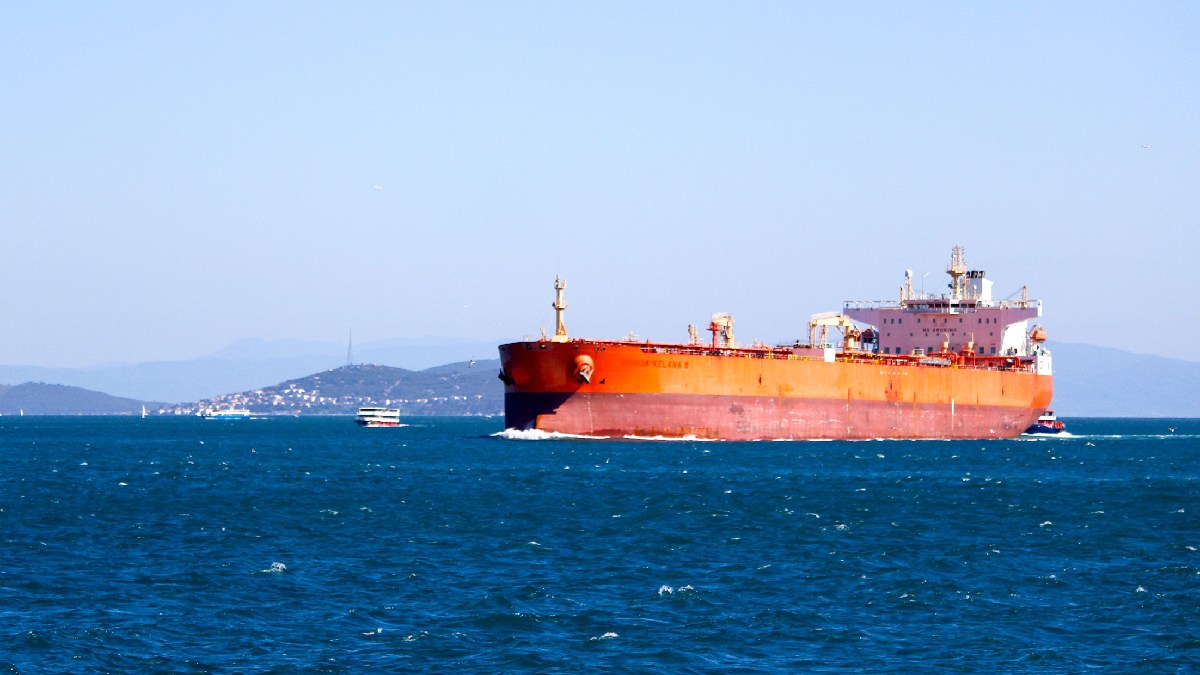
The Strait of Hormuz is one of the most strategically important maritime routes in the world. It connects Iran and Oman and is a gateway to the Persian Gulf. A massive share of the world’s oil and liquefied natural gas exports pass through the narrow passage, and this security in the region is at the forefront of global energy trade. If shipping on the Strait is disrupted, oil prices can skyrocket, and there could be more economic uncertainty around the world.
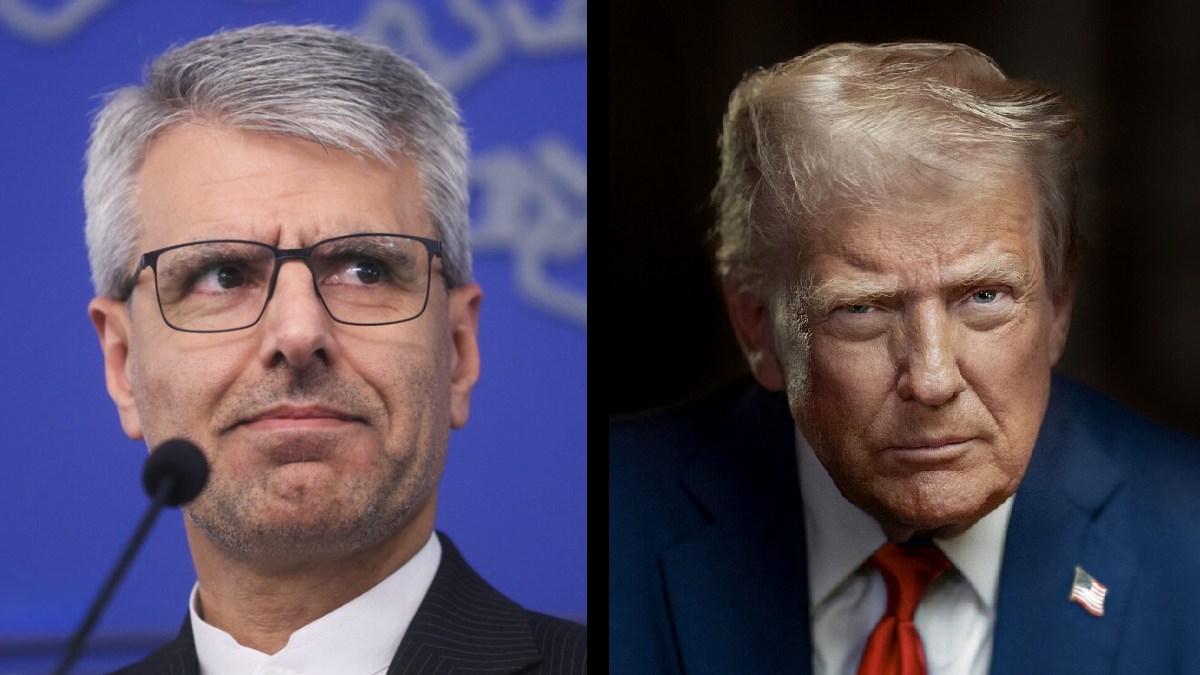
Iran was quick to reject Trump’s claims. Iranian Deputy Foreign Minister Kazem Gharibabadi called Trump’s comments “delusions” and insisted that the Strait of Hormuz was under the control of Iran and international maritime law. No foreign state can simply claim ownership of the waterway through speeches, social media posts or military operations, he said. Iranian officials stressed that sovereignty issues are under the jurisdiction of international law and cannot be changed unilaterally.
The dispute has come during months of rising tensions between Washington and Tehran. Talks over sanctions, maritime security and regional allies have been scrapped, and there have been no signs of a breakthrough since then.
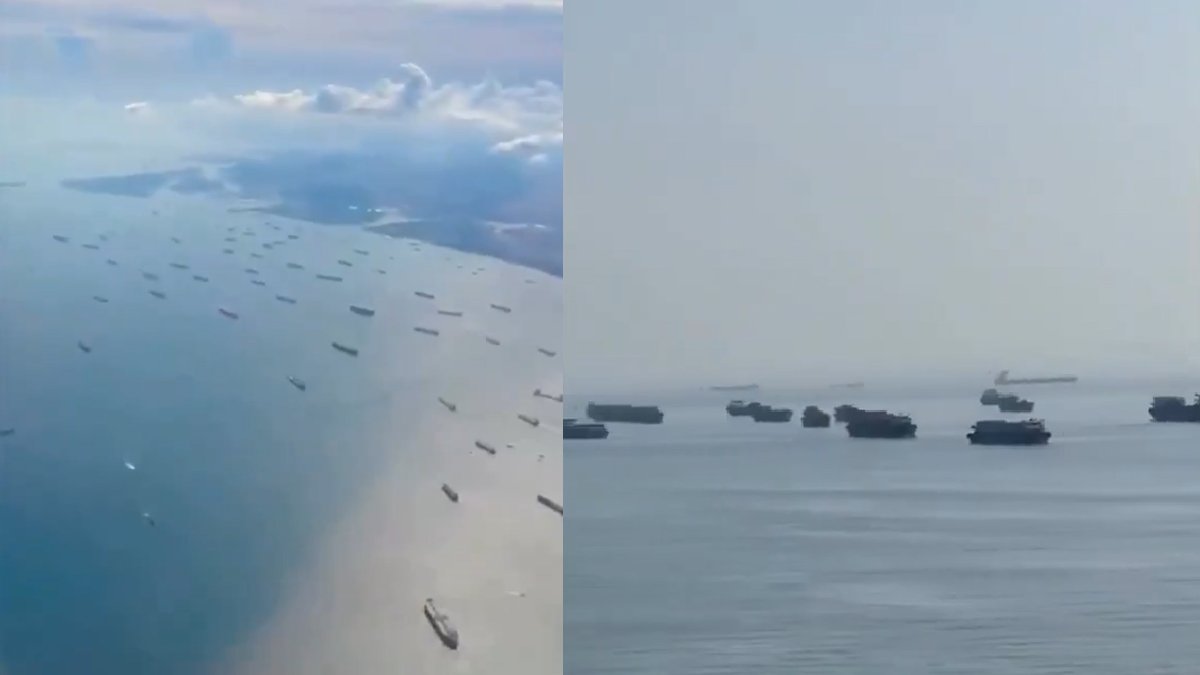
Analysts say Trump’s comments will likely be of interest to Trump’s supporters but would only make it more difficult to maintain diplomatic relations with the Gulf region. Some say international waterways like the Strait of Hormuz are governed by well-established legal frameworks and can’t be annexed by political declarations, and U.S. military bases are in place in the Gulf and the world’s oceans like the Strait of Hormuz, which are international waters, which are governed by international law and have no need for Trump’s words from the United States even if it is a military base. The comments have also created heated debate among regional governments that are closely monitoring developments in the region because of the waterway’s economic significance.
The world is watching in case of a de-escalation or a clash of nations. And global energy markets are already sensitive to disruptions in the Gulf region so any frictions in the Strait of Hormuz could have far-reaching consequences for economies worldwide. For now Trump’s controversial comments and Iran’s swift rejection add to turbulence in a tense region of the world.