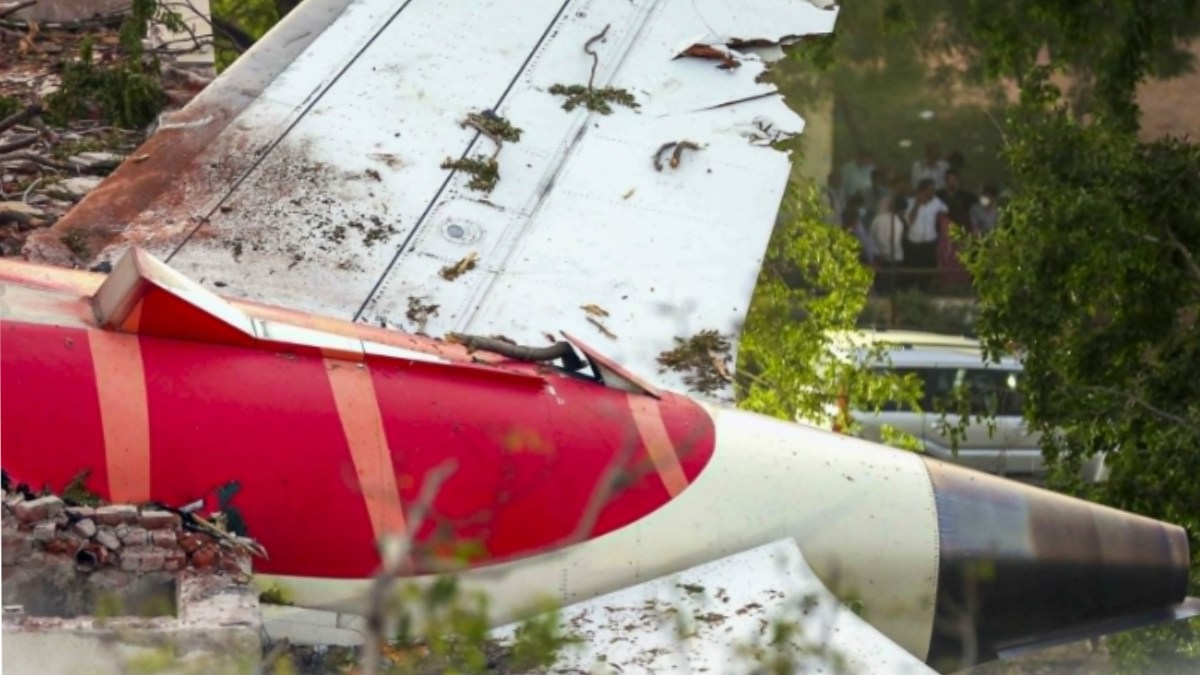
The tragic Air India crash has once again brought into focus the professional and social duties of commercial pilots. The two pilots who were operating the aircraft and the reasons for the accident have been investigated by investigators and they have been kept on the mind of people. The cockpit crew has not been identified and no conclusions have been drawn as to the cause of the crash but the experience of the cockpit crew and aviation history have been of great interest to the people.
According to information received from the aviation authorities and the airline, the aircraft was operated by an experienced captain and first officer, both with valid licenses and who were qualified to operate the aircraft involved in the accident. Commercial airline pilots undergo formal training, recurrent simulator checks, medical examinations, and proficiency tests before they are allowed to pilot passenger aircraft.
The captain was the Pilot in Command (PIC) and was responsible for safe operation of the flight. Commercial pilots are required to have thousands of flying hours in place before they are given command responsibilities. Their responsibilities are to plan flight operations and make decisions, communicate with air traffic control, supervise the cockpit and respond to emergencies when possible.
The first officer (sometimes called co-pilot) is simply the co-pilot with the captain and is an equally trained professional in the field of flying the aircraft. Today’s commercial aviation is a crew resource management (CRM) based environment in which both pilots are involved in the system, check the flight system and follow the procedures, communicate and assist the aircraft at every stage of the flight. The first officer is in charge of the operation of the aircraft and is responsible for the flight safety.
The AAIB and other aviation investigators from the Aircraft Accident Investigation Bureau (AAIB) as well as other aviation authorities immediately launched a comprehensive investigation into the sequence of events following the crash. Aircraft performance, maintenance records, weather conditions, communications with air traffic control, flight data recorder information, cockpit voice recordings, operational procedures and any technical issues that occurred during the flight.
Aviation experts warn against reaching conclusions about the pilots’ actions before the investigation is over. Air accidents rarely occur due to a single factor and are typically the product of a complex interplay of operational, technical, environmental and human factors. International aviation investigation standards emphasize that the ultimate goal of accident investigations in aviation is to improve safety instead of assigning blame.
Commercial airline pilots are continuously trained. Besides a number of initial licenses, they are also trained on simulators to deal with very unusual and critical emergency situations such as engine failure, adverse weather, system failure, rejected takeoffs and emergency landings. They are also subject to periodic medical tests and recurrent training to be professional.
The loss of the flight has clearly affected the aviation community and airline pilots, workers, and aviation organizations and airlines are sending their sympathies to the families of all those who lost their lives. Pilots have to go through years and years of training, work and regulation and are able to fly big commercial airplanes.
The identities and professional backgrounds of the pilots should not be used to speculate about a cause of the accident, authorities said. The investigation will be based on the scientific evidence, technical analysis, and internationally accepted procedures in order to report on the analysis. Safety recommendations will also be made to prevent similar accidents in the future, the final report will say.
The aviation industry has learned from previous investigations and has always been able to maintain safety through the lessons learned from previous investigations. Findings are also translated into better training of pilots in the industry; better pilot training at a higher level, better aircraft systems, improved operational processes, and better regulatory oversight.
With all of this, families, colleagues and the wider public also wait for official answers to what led to the tragedy. They have stressed that, until then, we cannot do anything to spread unverified evidence; we should take the evidence and we should be able to conclude based on the official investigation.
The Air India crash serves as a solemn reminder of the complexity of aviation operations and the need for independent investigations. Public attention has been drawn to the names and careers of the two pilots, but the objective is to establish the facts in a transparent way and honour the memory of those killed.