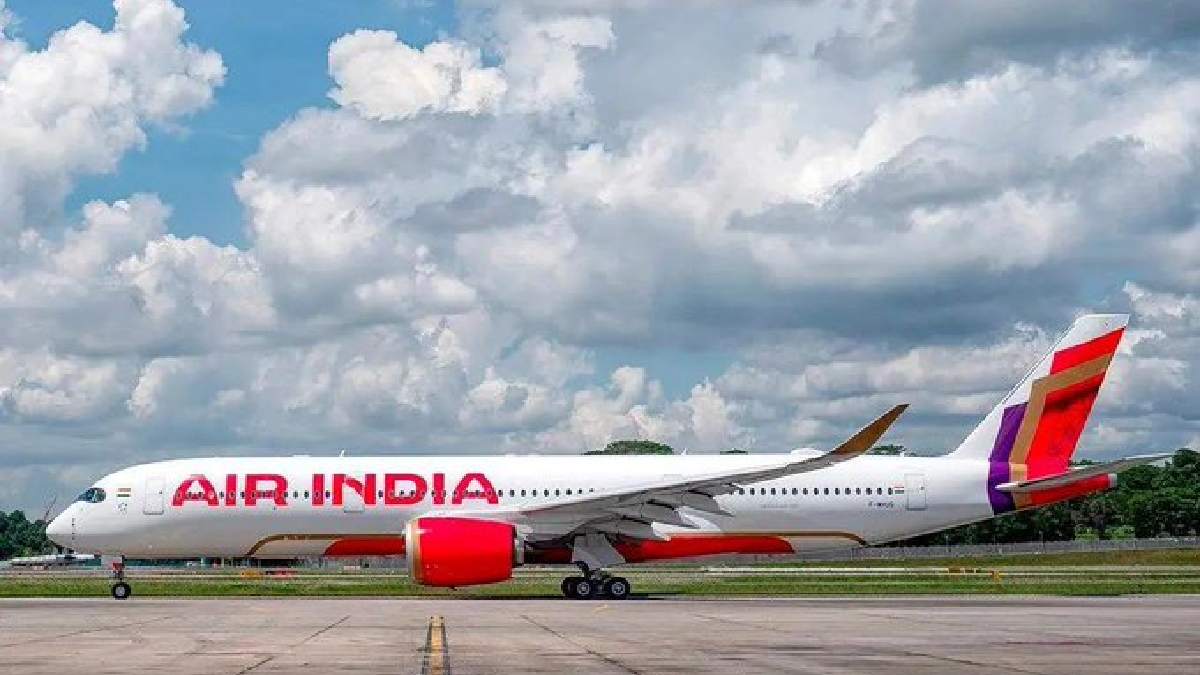
An Air India flight made a sudden drop of around 300 feet has triggered a fresh investigation and authorities in the country have been asking the airline firm Airbus and the French Bureau of Enquiry and Analysis for Civil Aviation Safety (BEA) for help to investigate.
The episode has raised new questions about flight safety and the technical or operational reasons for this sudden change in altitude.
Although short altitude changes may occur with normal flight operations, an unexpected drop can trigger a close look at why a passenger is moving and turbulence happens.
Investigators are reviewing the circumstances surrounding the incident and are reviewing the flight data, cockpit and other operational records, according to the report.
The altitude change could be attributed to turbulence, an aircraft system problem, flight control inputs and so on, they will investigate.
Airbus’ involvement is important because the company can provide technical expertise related to the aircraft type, its systems and recorded flight parameters. The BEA, France’s aviation accident investigation authority, can also provide specialist expertise as part of the investigation process.
Investigators are generally looking for several sources of evidence when investigating such events. Flight data recorder information can help to establish altitude, speed and aircraft movement, and cockpit voice recordings can add more context for the communication between pilots and air traffic controllers.
Maintenance records and weather data can help investigators to draw a more detailed timeline.
The reported 300-foot drop does not, in itself, suggest the cause of the incident or suggest that the aircraft experienced a major technical failure. Aviation investigations are designed to investigate multiple possibilities and not to arrive at conclusions in one direction. As such, authorities should be taking the evidence as a whole and not attributing the incident to one particular cause.
For passengers, sudden altitude changes can be very frightening (especially if they occur without warning). Commercial aircraft are designed to operate under all weather conditions and pilots are trained to deal with unexpected situations in flight.
The flight will now be reconstructed by the investigation to identify what caused the sudden altitude change. Any findings may be useful for providing some additional operational, technical or safety precautions.
Airbus and BEA’s participation in this process would give investigators additional technical expertise in the investigation and this could provide investigators with additional knowledge and technical skills as they investigate what happened.
Details surrounding the alleged mid-air issue should be considered to be preliminary until the investigation is complete.
The incident comes as aviation safety is still in the spotlight and unusual flight events are still a concern.
It will be the final findings that will determine what happened during the Air India flight and if lessons can be learned from it to prevent or remedy the same from happening again.