A preliminary investigation into the Air India Phuket-Delhi flight that experienced a sudden altitude loss over Odisha has raised serious concerns after the Pilot-in-Command was found positive for a psychoactive substance in a confirmatory test. The Aircraft Accident Investigation Bureau (AAIB) said the preliminary report was of serious concern and recommended the Directorate General of Civil Aviation (DGCA) take appropriate action on priority.
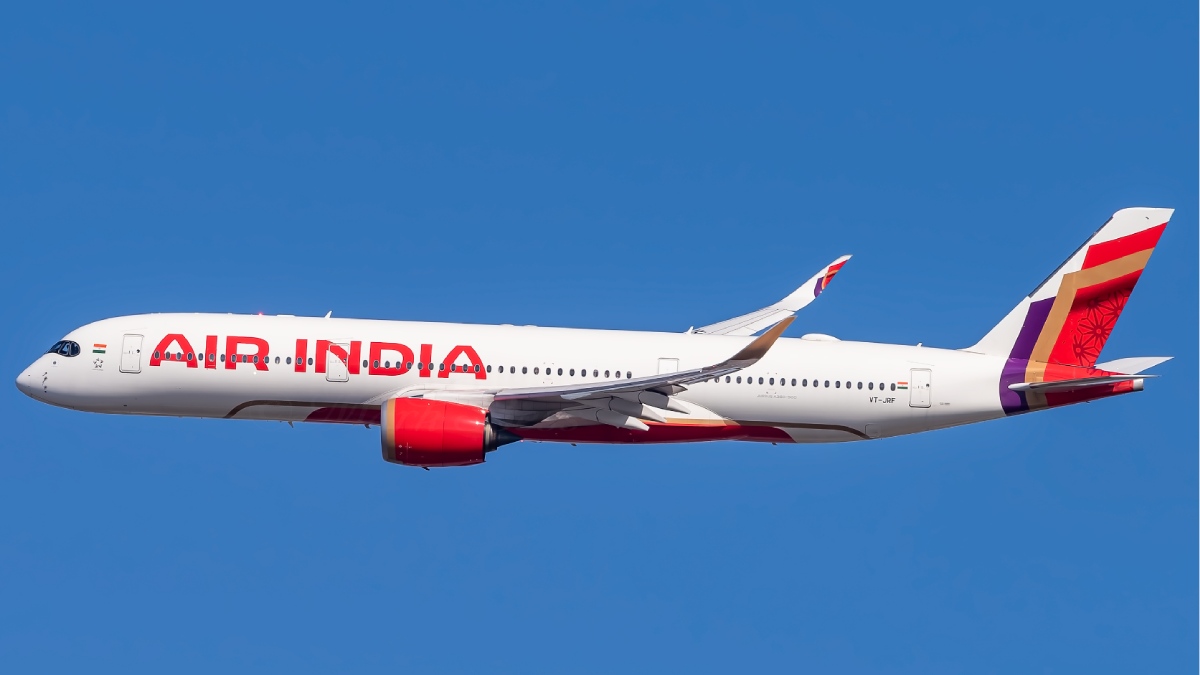
The incident happened on 4 August when the Air India Airbus A320 was travelling from Phuket to Delhi on a flight with 137 passengers (3 infants and 8 crew members) in a sudden change of altitude when it was cruising over Odisha. The plane briefly climbed, before dropping almost 300 feet from its assigned altitude, resulting in injuries inside the cabin.
According to the AAIB report, the aircraft was flying at 36,000 feet when all three of its hydraulic systems failed. The green hydraulic system failed first and followed within seconds by the blue and yellow systems. The series of failures led to the aircraft losing normal hydraulic support for its flight-control systems.
The hydraulic failures also caused the autopilot to disengage. A brief stall warning was then triggered as an altitude upset occurred. They found that the aircraft climbed up to 372 feet before descending approximately 292 feet from its flight level.
The hydraulic systems recovered within a few seconds and the aircraft's flight-control surfaces returned to normal operation. The aircraft eventually stabilised and continued with the flight to Delhi rather than going to the nearest airport.
The sudden movement caused damage inside the passenger cabin. The AAIB said overhead bins, ceiling panels and an emergency exit handle were among those damaged. At the time, seat-belt signs were switched off and passengers and members of the cabin crew were exposed to the sudden change in altitude, the AAIB said. The incident resulted in 20 passengers and four cabin crew members being injured.
Pilot's Psychoactive Substance Test Raises Concern
One of the most important findings in the preliminary investigation relates to the Pilot-in-Command's drug test. The AAIB said the pilot was found to be non-negative for a psychoactive substance in the confirmatory test.
The investigation agency referred to confirmation of psychoactive substance use as “a serious concern” and advised the DGCA to take appropriate action on priority. The finding adds another dimension to the investigation, which is otherwise focused on the aircraft hydraulic system failures and the resulting altitude upset.
According to reports after the incident, the pilot tested positive for marijuana in a confirmatory drug test. The pilot then said he had been prescribed sleeping medication due to personal problems and that the medication was to blame for the positive test result.
The pilot’s behaviour during the flight is also being examined, it is said. Members of the cabin crew are believed to have raised concerns about his behaviour, making the drug-test finding an important part of the ongoing investigation.
The AAIB has not yet concluded whether or not the pilot's test result caused or contributed to the sudden altitude loss. The preliminary report mentions that technical and other aspects of the incident are still under investigation.
Aircraft Hydraulic Failures Under Investigation
The investigators are also investigating why all three hydraulic systems failed during the flight. The simultaneous loss of the green, blue and yellow hydraulic systems was a critical event because hydraulic power is essential for several aircraft flight-control functions.
The AAIB recovered the flight recorders from the aircraft. Cockpit Voice Recorder (CVR) and Digital Flight Data Recorder (DFDR) data are now being analysed as part of the investigation. These recordings are expected to provide investigators with additional information about the aircraft's systems, cockpit actions and events immediately before and during the altitude deviation.
Airbus experts have also inspected the aircraft, and hydraulic components and samples have been sent to be examined further. These tests could determine what caused the hydraulic systems to fail so quickly.
The report added that there was no adverse weather situation reported to either the flight crew or air traffic control at the time of the incident. The aircraft's technical state and operational situation will be of great interest in the investigation.
Final Cause Yet to be Determined
Despite the findings in the preliminary report, the AAIB has not established the definitive cause of the incident. Technical evidence, flight-recorder data, crew-related information and other information is being examined as it is and will be considered in the investigation.
The results obtained so far should not be regarded as the final determination of responsibility or cause. Further analysis might shed light on whether the hydraulic failures were caused by a specific component failure and if there were many contributing factors, or whether human factors were involved.
However, the pilot's confirmed psychoactive substance test has emerged as a major safety concern. The AAIB’s recommendation for priority action by the DGCA puts the spotlight on pilot fitness, drug testing and aviation safety procedures.
For passengers, the incident also underscores the importance of seat-belt compliance even when the aircraft is cruising normally and the seat belt signs are switched off. The sudden altitude change on the flight from Phuket to Delhi caused injuries and cabin damage within seconds.
The AAIB will report further findings as the investigation continues. Until then, the exact cause of hydraulic failures and the extent (if any) to which the pilot's condition contributed to the incident are under investigation.