In the past few years, thousands of tourists come to northern Thailand to see a vision of the night sky that comes to life every year: hundreds of glowing lanterns rising in the night sky. Thailand’s Yi Peng Festival, which is celebrated mainly in Chiang Mai and around the Chiang Mai region, has become one of the country’s most recognisable cultural events. A picture-perfect display of brilliant lanterns floating in the sky above temples, on the street and with the crowd is now a tourist attraction to look at in the world and that’s one of the reasons why. But Yi Peng is much more than just a nice picture.
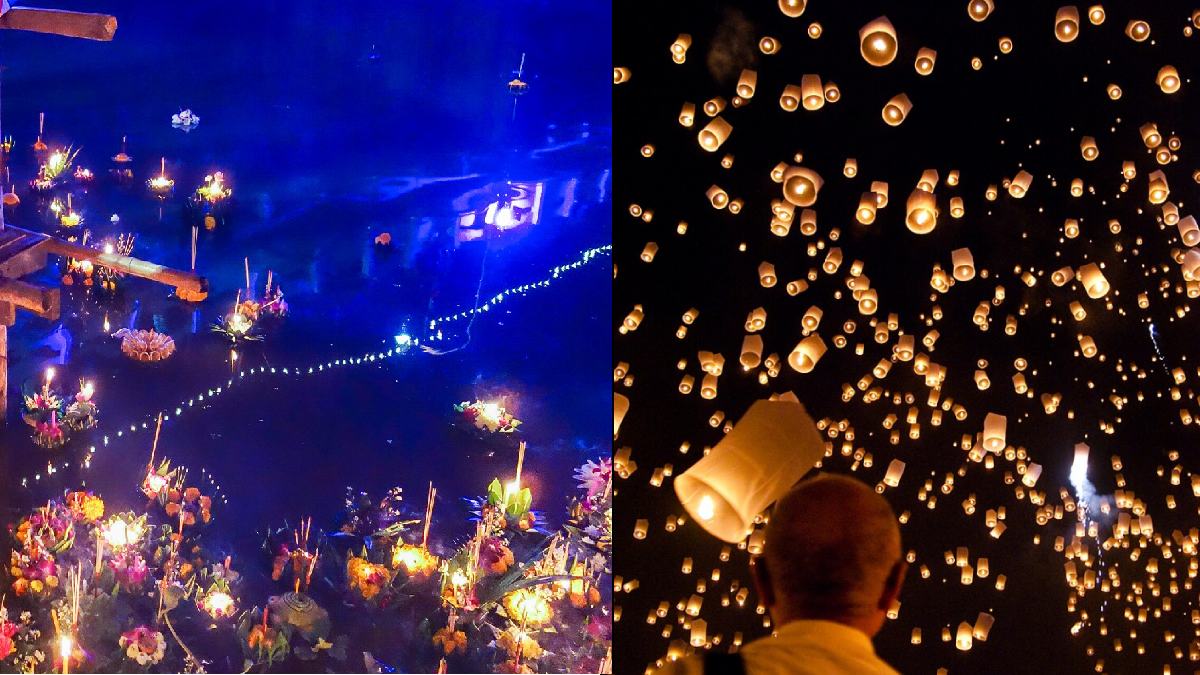
Yi Peng is a traditional celebration and is inextricably tied to northern Thailand’s Lanna culture and Buddhist beliefs. The festival provides an opportunity for people to make merit, to pray and to think about the past and to symbolically release fears or negative feelings. So the lanterns are not just decorative objects. Their release represents hopes, wishes and the desire for a brighter future.
What is Yi Peng and why is it so important?
Yi Peng comes from the language and traditions of the old Lanna Kingdom. Yi is the second month according to the traditional Lanna lunar calendar and Peng means full moon. The celebration is celebrated as the full moon of the second lunar month.
While Yi Peng is often referred to as a lantern festival abroad, it is much richer than the festival is known to be, and is a cultural festival as well. The celebration usually takes place in addition to religious events, temple visits, merit-making and community events.
Yi Peng Festival for Buddhist communities is a time for reflection on one's actions and intentions. People can go to temples, give thanks to the monks and pray. The lantern itself can become a symbol of letting go of problems and wishing for the future.
Why do we release lanterns?
The floating lantern, also known locally as a khom loi, is one of the most familiar things about Yi Peng's lantern. Made using lightweight materials and illuminated from within, these lanterns can rise into the sky when heated air fills them.
Visiting hundreds of lanterns in the dark can be a memory for the visitor to experience. But traditionally that has its own significance of symbolic meaning as well. To release a lantern can represent letting go of misfortune, worries and negative thoughts while expressing hopes for good fortune and happiness.
The symbolism also reflects spiritual beliefs about light. Light is wisdom, clarity, and removal of darkness. So light is more than a physical display; it can be a personal reflection for participants to make the lantern’s release a personal one.
Yi Peng and Loy Krathong
One reason Yi Peng can be confusing for travellers is because it’s so associated with Loy Krathong. The two celebrations often take place around the same time and they are always promoted in Chiang Mai.
Loy Krathong is celebrated across Thailand and traditionally presents floating decorated offerings such as krathongs on rivers, canals and other water bodies. Yi Peng, in particular, is associated with the northern Lanna tradition and the release of sky lanterns.
Visitors may encounter both traditions during their trip, the overlap means. Together they form one of the most visually spectacular periods on Thailand’s cultural calendar.
Chiang Mai: The Heart of Yi Peng Celebrations.
Chiang Mai is one of the most popular places to experience Yi Peng. The city’s historic temples, old streets and Lanna architecture make the celebrations an almost surreal scene.
Temples will host religious ceremonies and merit-making activities in festivals and public spaces will feature cultural performances, decorations and community events. Visitors can enjoy a mixture of tradition and modern day celebrations as the city will be part of both local and international events.
But with Yi Peng’s growing popularity, problems are also present. The huge number of people, the high level of tourism and the environmental impact of lantern releases have led authorities and organisers to impose restrictions and designated areas in some places. Travellers should therefore look at local regulations and event information before releasing a lantern.
A Festival Worth Experiencing Respectfully
Yi Peng is a chance to see a bit more of Thailand beyond beaches and nightlife and the tourist spots. The festival gives a sense of northern Thailand’s history, spirituality and community culture for international tourists.
Yi Peng is a cultural and religious event rather than just a photography experience. Dressing respectfully when visiting temples, following local directions and avoiding restricted areas are important ways to participate responsibly.
It is also worth checking if lantern releases are permitted at the particular event or location being visited. Regulations can vary, especially because uncontrolled lanterns can create fire hazards and environmental concerns.
When To Experience Yi Peng.
Yi Peng is usually celebrated around the full moon of the Lanna lunar calendar and its date changes every year. Travelers planning a trip should check the official dates and schedules well in advance because accommodation and transport around Chiang Mai can become highly sought after during the festival period.
Rather than flying in for the main lantern release, visitors can spend a few days in Chiang Mai and visit the temples, local markets, historic neighbourhoods and surrounding attractions while experiencing the festival atmosphere.
More than a Beautiful Night Sky.
The sight of hundreds of lanterns floating over Chiang Mai is certainly impressive, but Yi Peng is more satisfying from the glowing sky. Each lantern can symbolize a wish, a prayer, a way to let go or a hope for a better future.
If travellers understand this meaning, it can change the experience. Rather than simply watching lanterns rise into the darkness, visitors can appreciate the centuries of tradition, Lanna heritage and spiritual symbolism behind the celebration.
Yi Peng ultimately reminds travelers that some of the most beautiful festivals are meaningful not because of their appearance, but because of what they represent to the people who celebrate them. In northern Thailand, the glowing night sky is only the start of the story.