Air pollution has long been associated with respiratory problems, heart disease, and stroke. Now a major Indian study suggests that its effects may go much further— damaging kidneys, even in young adults and those without common risk factors due to diabetes or high blood pressure.
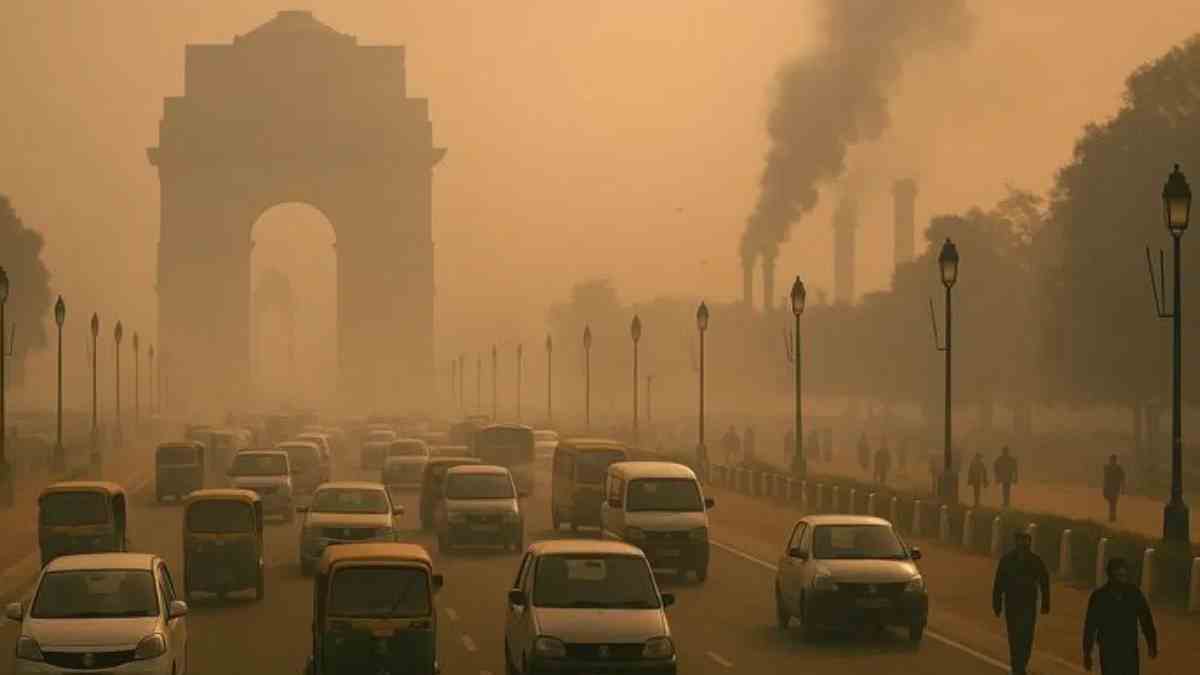
The decade-old study, published in the peer-reviewed journal Kidney International Reports, showed that chronic exposure to PM2.5, one of the most dangerous forms of air pollution, was associated with a detectable decrease in kidney health. It is more evidence that pollution can impact many organs in silent ways and raise the risk of chronic diseases.
A Decade-long study across two Indian cities
Researchers followed 12,271 adults aged 20 years and above from Delhi and Chennai over a period of six to ten years between 2010 and 2016.
To estimate long-term exposure to PM2.5, scientists used high-resolution satellite-based air pollution models linked to participants’ residential addresses. They then monitored kidney function over time using standard clinical assessments.
What the Researchers Found
It shows that long-term exposure to PM2.5 is associated with poor kidney health.
Key findings included:
- Every 5 micrograms per cubic metre (µg/m³) increase in long-term PM2.5 exposure was associated with a measurable decrease in kidney function.
- In Chennai, kidney filtration dropped by 0.32 mL/min/1.73 m² for every 5 µg/m³ increase in PM2.5.
- In Delhi, where pollution levels are higher, the decrease was even higher by 0.42 mL/min/1.73 m² for every 5 µg/m³ increase.
Importantly, the association was observed even for relatively young adults and those without diabetes or hypertension, who are associated with kidney disease.
Understanding eGFR
Researchers assessed kidney health by the estimated Glomerular Filtration Rate (eGFR), one of the most well-known indicators of kidney health.
The kidneys filter waste from the blood and excess fluid. A lower eGFR indicates that the kidneys are less effective at performing this vital function and could increase the risk of chronic kidney disease (CKD) over time.
Because early kidney damage often causes no symptoms, many people might not be aware of the slow decline of kidney function.
How does air pollution affect the kidneys?
Dr. Soubeer Ghosh, Consultant in Nephrology and Kidney Transplant Medicine, explained to News9 Live that air pollution affects much more than the lungs and heart.
Dr. Ghosh explained that when people breathe in polluted air with fine dust, smoke, chemicals, and toxic particles, it can cause inflammation and oxidative stress in the body.
Some of these harmful particles may enter the bloodstream, where they can:
- Damage blood vessels.
- Reduce healthy blood flow to the kidneys.
- Trigger chronic inflammation.
- Gradually impair the kidneys' ability to filter waste effectively.
So repeated exposure over many years may contribute to chronic kidney disease.
Why the Findings Matter
India is home to some of the world's most polluted cities, and PM2.5 levels are frequently higher than recommended safety limits. Public awareness has concentrated on respiratory and cardiovascular effects of polluted air, but this study suggests that kidney health should also be a major public health concern.
The findings show that the most effective measures of air pollution reduction are environmental policy-driven, and people should reduce exposure to air as much as possible, especially on bad days.
A Word of Caution
Although the study found a strong association between long-term PM2.5 exposure and declining kidney function, it is not clear whether air pollution is the cause of kidney disease. Kidney health is influenced by genetics, lifestyle, diet, existing medical conditions, and environmental exposures.
But the results do provide evidence that cleaner air is good not only for the lungs and heart but also for the kidneys to protect themselves from long-term damage.