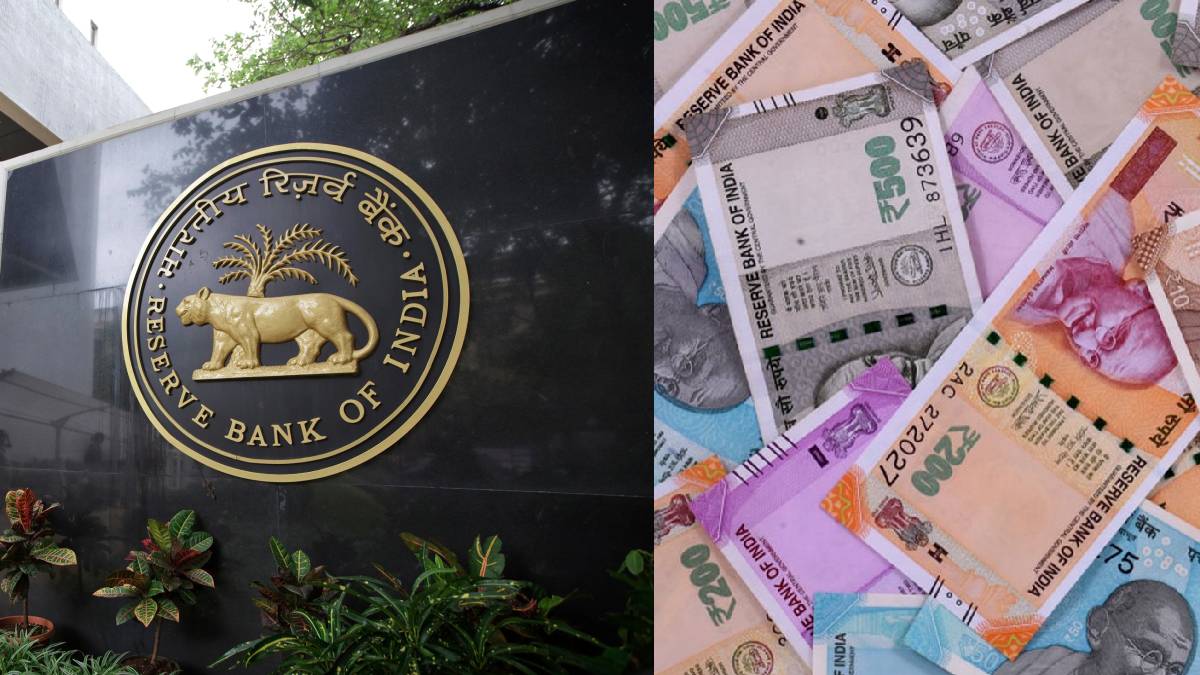
India has invited manufacturers to provide polymer substrate sheets with advanced security features for printing Indian banknotes. This is one step toward the development of next-generation currency materials that could help in prolonging the life of banknotes that are circulating in India.
Polymer banknotes are made of a very special plastic substrate instead of cotton-based paper and are widely used in many countries due to their durable construction, resistance to moisture, and ability to incorporate advanced anti-counterfeiting features.
India has invited bids from manufacturers to supply polymer substrate sheets with security features suitable for printing of Indian banknotes https://t.co/9hX7VegUaY
— Bloomberg (@business) July 18, 2026
The invitation for bids is indicative of India’s continued efforts to modernize its currency infrastructure and strengthen banknote security. The polymer substrate sheets required to be made are to meet high technical specifications and have several security features to prevent counterfeiting.
Today’s polymer substrates can support a variety of advanced security features that offer transparent windows, complex holographic elements, optically variable inks, microtext, raised printing, machine-readable authentication and much more. These features make polymer banknotes much more difficult to counterfeit than paper-based currency.
One of the advantages of polymer banknotes is longevity; polymer banknotes are a very durable and long-lasting option. Unlike paper notes, which tend to wear out quickly, polymer notes are generally still in circulation much longer than paper notes. Polymer notes can withstand tearing, dirt, moisture, and wear and tear, making them more durable. So the long-lasting polymer notes have a longer lifespan, lower replacement cost over time, and can lead to operational savings even though production costs are higher for the first batch.
Some countries have already introduced polymer banknotes into the market, like Australia, Canada, the United Kingdom, New Zealand, Singapore, and Vietnam. They have also provided better stability, higher security, and lower long-term maintenance costs to central banks in general.
With such a huge volume of cash transactions in India and diverse climatic conditions, the switch to polymer-based banknotes could be beneficial for the country as well. As banknotes are always handled heavily, humidity, dust, and high temperatures are important considerations in currency management.
The bidding process is also consistent with wider efforts to enhance India’s currency system and its security. As counterfeiters become more sophisticated, central banks around the world are spending billions of dollars to develop advanced printing methods and new materials to protect banknotes’ integrity.
Polymer banknotes can also contribute to sustainability objectives, in addition to security. Since polymer banknotes remain in circulation for longer periods, fewer replacement notes need to be printed, transported, and distributed in the long run. At the end of a polymer’s life cycle, worn polymer notes can often be recycled into plastic products instead of just being disposed of as waste.
Industry experts say that inviting bids does not necessarily indicate that the country will quickly switch to polymer currency. It is an important procurement and evaluation step that can be used as a launchpad for future pilot projects or in a staged manner, depending on technical approval, regulatory approval, and operational requirements.
If polymer banknotes are to be introduced, they would need to be modified across various parts of the currency ecosystem (printing facilities, quality control systems, cash handling equipment, vending machines, ATMs, public awareness measures, etc.) for smooth implementation.
India has been upgrading the design and security of its currency in the past few years through advanced printing techniques and anti-counterfeiting measures. The decision to invite bids for secure polymer substrate sheets is a step in the right direction to meet the ever-increasing standards of technology in banknote production.
As the evaluation process develops, the initiative could lead to a new generation of Indian banknotes that are more durable, more secure, and more efficient - something that would strengthen confidence in the country’s currency system and support long-term modernization efforts.