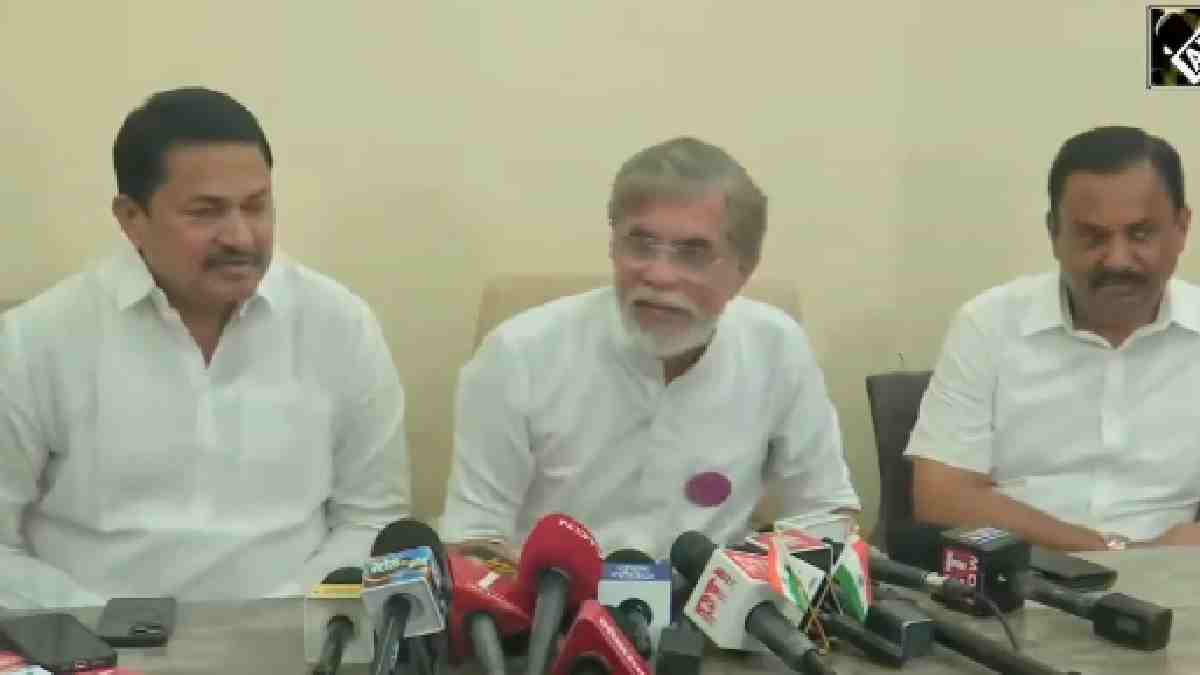
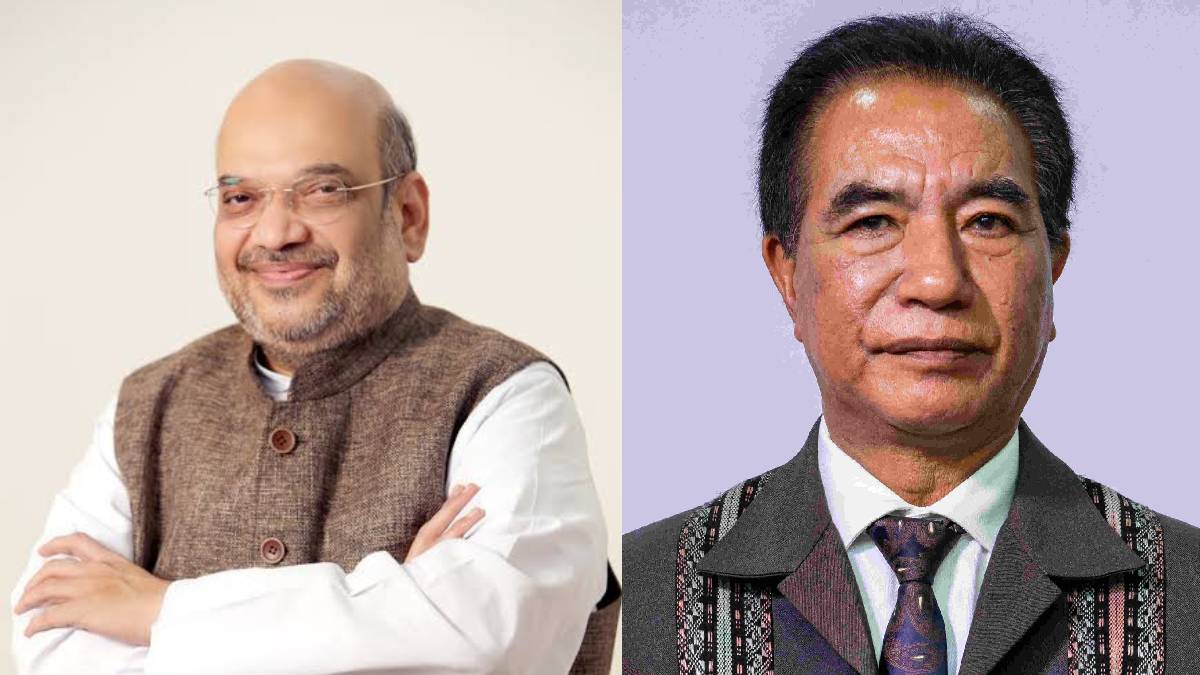
Amit Shah, Home Minister of India, presented the Lokmanya Tilak National Award 2026 to National Security Advisor Ajit Doval, who has been a key player in India's national security and strategic planning and foreign policy development.
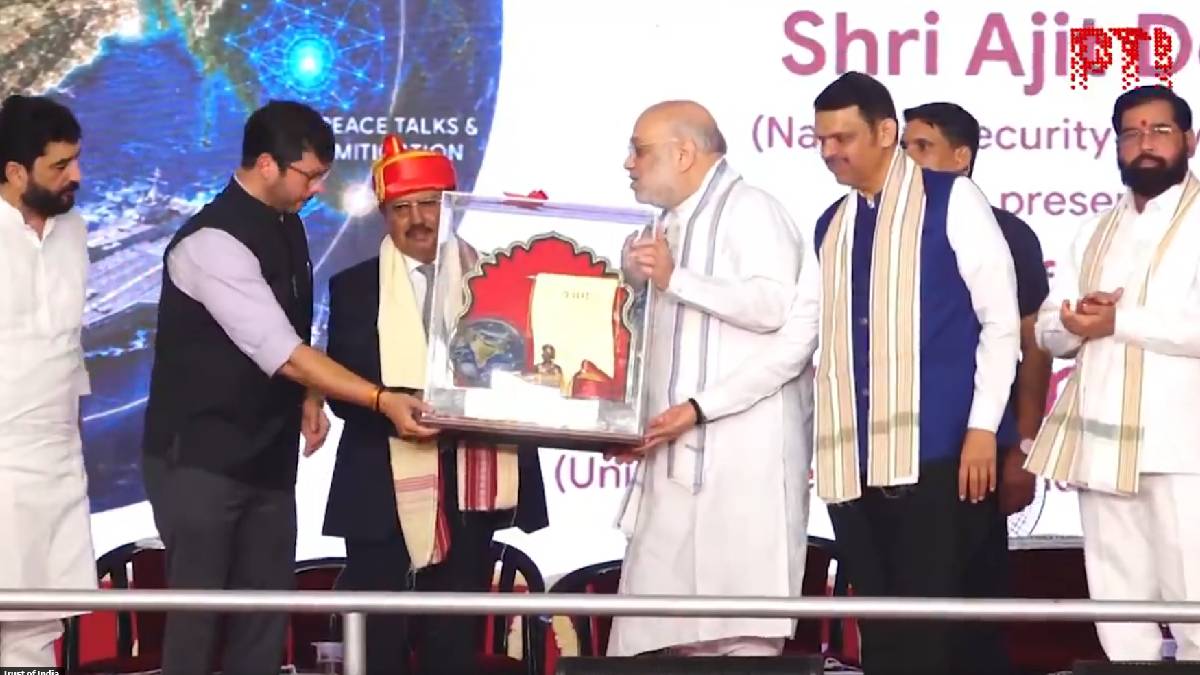
The award ceremony was held on August 1 in Pune, where freedom fighter and nationalist leader Lokmanya Bal Gangadhar Tilak died. It is awarded to Doval for his contributions to India’s security architecture and for his decades of work in intelligence, counter-terrorism and strategic affairs.
BIG BREAKING 🚨 Home Minister Amit Shah presents Lokmanya Tilak National Award 2026 to NSA Ajit Doval.
— News Algebra (@NewsAlgebraIND) August 1, 2026
HM SHAH : "Much of his work can never be revealed" pic.twitter.com/uQVt8DzT4i
Amit Shah spoke at the event and praised Doval’s extensive work in protecting India’s national interests and highlighted the nature of security operations that often remain outside the public domain.
"Much of his work can never be revealed,” Shah said of the National Security Advisor's contributions to the country.
The Home Minister said that many of Doval’s activities were done quietly and could not always be discussed publicly because they were sensitive. He said Doval was a key figure in India’s national security decision-making and that his role was on a lot of strategic issues.
Shah also said Doval had had a key role in each major national security decision made by Prime Minister Narendra Modi in his time. Doval has been closely involved in the development of India’s security strategy and has played a critical role in the government’s approach to internal security, counter-terrorism, border management and foreign-policy issues, he said.
Ajit Doval has been India’s National Security Advisor since 2014 and is the country’s longest-serving NSA. Before starting the job, he spent a long career in the Indian Police Service and the intelligence establishment. In many of the sensitive roles he had, he later became Director of the Intelligence Bureau.
Deep insights into national security, intelligence operations, counter-terrorism and diplomatic engagement are among the areas Doval has been associated with the most. His work has regularly been in intelligence gathering, strategic planning and high-level government coordination.
The Lokmanya Tilak National Award is awarded to those who have made significant contributions to the country’s development and progress. It was established by Lokmanya Tilak Smarak Trust to honor the memory and ideals of Bal Gangadhar Tilak. Doval was selected for the 2026 honour because of his contributions to India’s national security.
Amit Shah also spoke on the importance of Doval in the Modi government. Doval was among Prime Minister Modi’s first key appointments after the government came to power in 2014.
Shah focused on the behind-the-scenes nature of national-security work. Unlike public political decisions, many intelligence and security operations cannot be disclosed because revealing operational details may affect national interests, expose methods, or compromise individuals involved in sensitive assignments.
The Home Minister’s comment that much of Doval’s work may never be revealed highlighted the confidential nature of the NSA’s responsibilities. Strategic planning and intelligence coordination also emphasized the need for such a focus on the security of the entire nation, and it was very important.
Doval was very thankful for the honor and said he did not expect it. He said he was proud to serve the country and he spoke about national unity, public responsibility and nation building in the long term.
The ceremony brought together senior political leaders and dignitaries and drew fresh attention to Doval’s role in India’s security establishment.
The award is viewed as recognition not only of Doval’s long public service career but also the contributions of intelligence and security professionals whose work is usually kept confidential.
Amit Shah’s tribute also summed up that aspect of Doval’s career in which he pointed out that while the public may know only a limited part of his work, many of his contributions to India’s security might remain undisclosed because of their sensitive nature.