French-Algerian artist and curator Kader Attia is starting a new chapter with one of India’s most prominent contemporary art platforms when he gets selected as a curator for the seventh Kochi-Muziris Biennale.
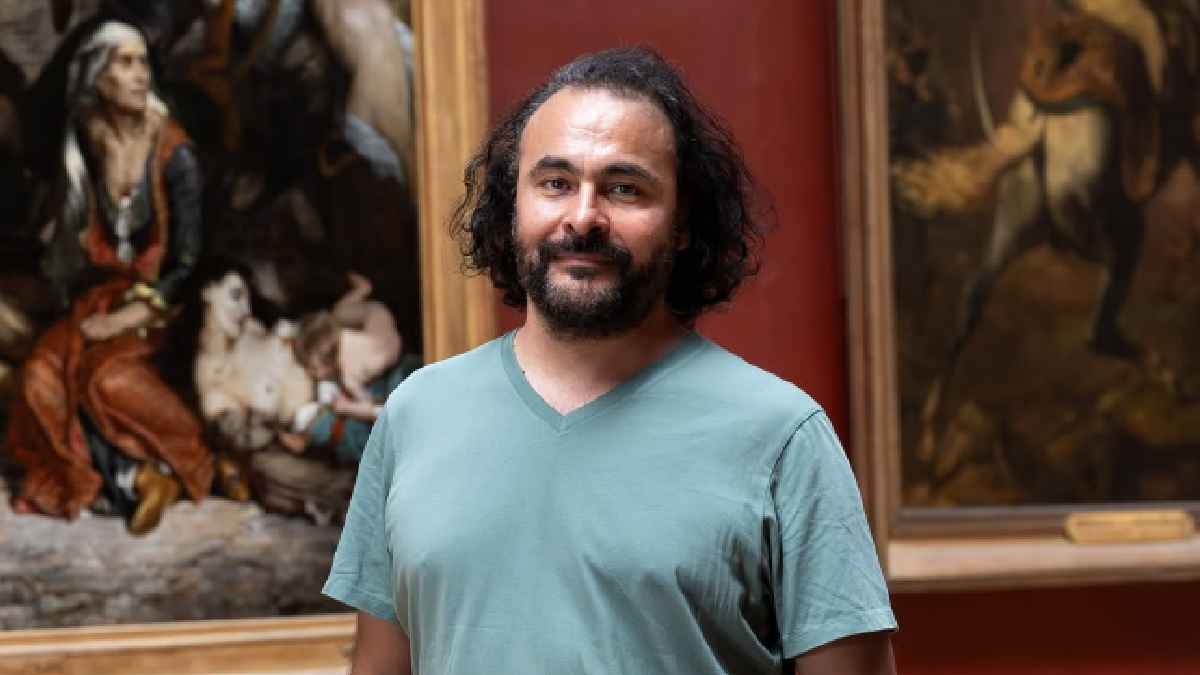
The 2027-28 edition will be a celebration of history, memory, repair and cultural identity through Attia’s creative approach.
Attia was appointed as the curator in May 2026 by Jitish Kallat, the President of the Kochi-Muziris Biennale. The selection process was led by a committee led by artists and cultural figures such as Shilpa Gupta, Amrita Jhaveri, Pooja Sood, Tasneem Zakaria Mehta, Mariam Ram and Rirkrit Tiravanija.
And the artist has a long-standing interest in how societies deal with wounds left by history. His practice spans installation, sculpture, film and archival research and is often about colonial legacies and the idea of “repair” not as erasing damage, but as understanding and living with what remains.
That approach is emerging in his first discussions about the Kochi Biennale. Attia spoke of repair, memory, history and the traces left behind by individual and collective experiences during his first research trip to Kochi in September 2026.
He also linked the notion of a wound with the possibility of light entering through it, and how damage can be part of a process of reflection and renewal.
Kochi itself is expected to play an important role in the curatorial process. Attia will take Kochi as a point of departure in developing the framework for the upcoming edition, the Biennale Foundation has said.
The city’s complex history as a trading and cultural centre is a place where different influences, communities and histories intersect.
As Attia has also made it clear, physical contact with art is even more important in an ever more digital world. Speaking about the Biennale he said seeing artworks in the real world and getting to know artists and audiences far from screens is really important.
The seventh edition will open in December 2027. The final curatorial proposition has not yet been released, and Attia is currently investigating Kochi and meeting artists, cultural practitioners and members of the local creative community. The formal curatorial proposition will be presented later.
For the Kochi-Muziris Biennale, Attia’s appointment signals the beginning of a new artistic conversation between Kochi’s local histories and wider global questions. His focus on tolerance, memory, repair and dialogue could shape how audiences encounter contemporary art when the seventh edition opens.
The Biennale Foundation describes the Kochi-Muziris Biennale as India’s first and largest international exhibition of contemporary art, with its programmes rooted in the cultural and everyday realities of Kochi’s Fort Kochi and Mattancherry areas.