Amul is set to invest in West Bengal with plans to build what is called the world’s largest curd plant in Kolkata. The new plant, which will cost around Rs 700 crore, is to be built to strengthen the dairy cooperative’s manufacturing and distribution network and create a major new processing center in eastern India.
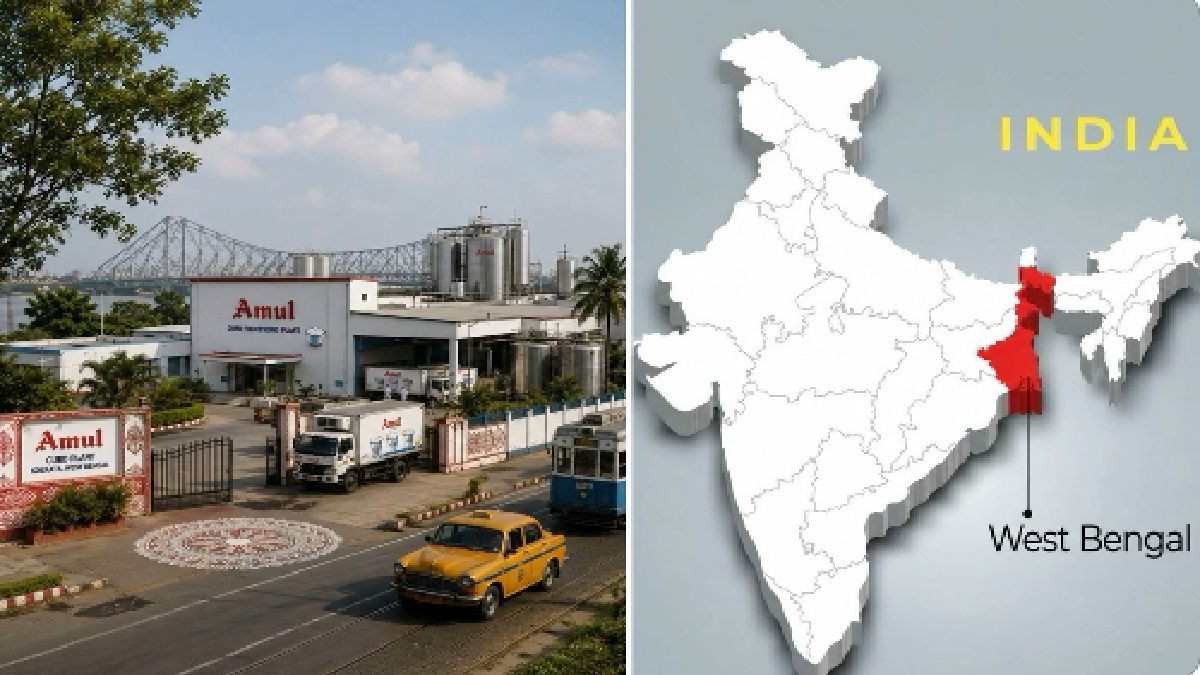
The project is indicative of Amul’s increasing focus on growing its dairy processing base in key markets. One of eastern India’s largest metropolitan centres, Kolkata has a broad consumer base as well as a regional distribution network. A large-scale curd manufacturing plant in the city may help the company meet the growing demand for fresh dairy products in West Bengal and the surrounding states.
Curd remains one of India's most widely consumed dairy products and is used in households, restaurants, hotels, and in food-service sectors. Growing consumer demand, urbanisation, and greater availability of packaged dairy products have fuelled the development of organised dairy markets. Amul’s proposed investment is important for its own expansion and also for the dairy-processing ecosystem in the region.
The investment of Rs 700 crore will help to develop a modern, large-scale manufacturing plant capable of handling large volumes of milk and packaged curd and dairy products. While the details of the plant and the actual production capacity of the plant would be announced in due course of this project, its size would make it a necessary addition to India’s dairy infrastructure.
West Bengal has a long-standing dairy consumption culture; Kolkata is a major commercial and logistical center for eastern India. A large manufacturing plant in the state could allow Amul to boost supply efficiency and shorten the distance between production and major consumer markets. It would also expand fresh dairy products in and around the state.
The project is expected to generate economic activity in and around Kolkata. Large dairy plants are labour-intensive in manufacturing, quality control, packaging, logistics, maintenance, administration, and so on. In addition to the direct employment, these facilities can create opportunities for transport operators, packaging suppliers, equipment providers, cold-chain businesses, and other supporting industries.
Another important aspect of the proposed investment is its potential connection with dairy farmers. Amul’s cooperative model consists of milk procurement from farmers, processing, and marketing dairy products at scale. Increasing processing infrastructure will help in meeting the procurement needs and could create new market opportunities for milk producers if supply chains and procurement networks are expanded along with the plant as well.
The facility might also help develop the cold chain system in eastern India. Dairy products like curd need to be stored and transported with controlled temperatures. The scale of manufacturing will encourage investment in refrigerated logistics, storage, and distribution facilities and help in the transportation of perishable items from processing centres to retail markets.
Greater production capacity for consumers might also increase the availability of packaged curd and other dairy products. Amul has a large retail presence in India as well, and the establishment of a major factory in Kolkata could help the cooperative to grow in eastern markets and respond better to regional needs.
This comes at a time when the Indian dairy industry is competing as a whole with traditional milk suppliers, cooperative organisations, and private dairy companies. There is growing competition among companies in the dairy business where curd, paneer, butter, cheese, flavoured milk, beverages, and other value-added products are all being added. So large processing plants for all companies who want to take a larger share of the growing organised dairy market are becoming more important.
The proposed Kolkata plant could be part of Amul’s larger strategy to increase manufacturing capacity and bring dairy products to consumers through the new channel. This project will cost Rs 700 crore and will make West Bengal a more important place for dairy processing and distribution.
Details about the plant location, construction timeline, production capacity, employment potential, and operational schedule will emerge as development plans move forward. If done so, the facility would become a major benchmark in India’s dairy processing industry and cement Amul’s status as one of the country’s largest dairy brands.
For Kolkata and West Bengal, the project is not just about the establishment of another manufacturing unit to work on. It will bring investment, jobs, supply chain, and more dairy processing capacity to the region. And Amul too would see the facility as an important way to expand itself in eastern India and to meet the demand for fresh and value-added dairy products.