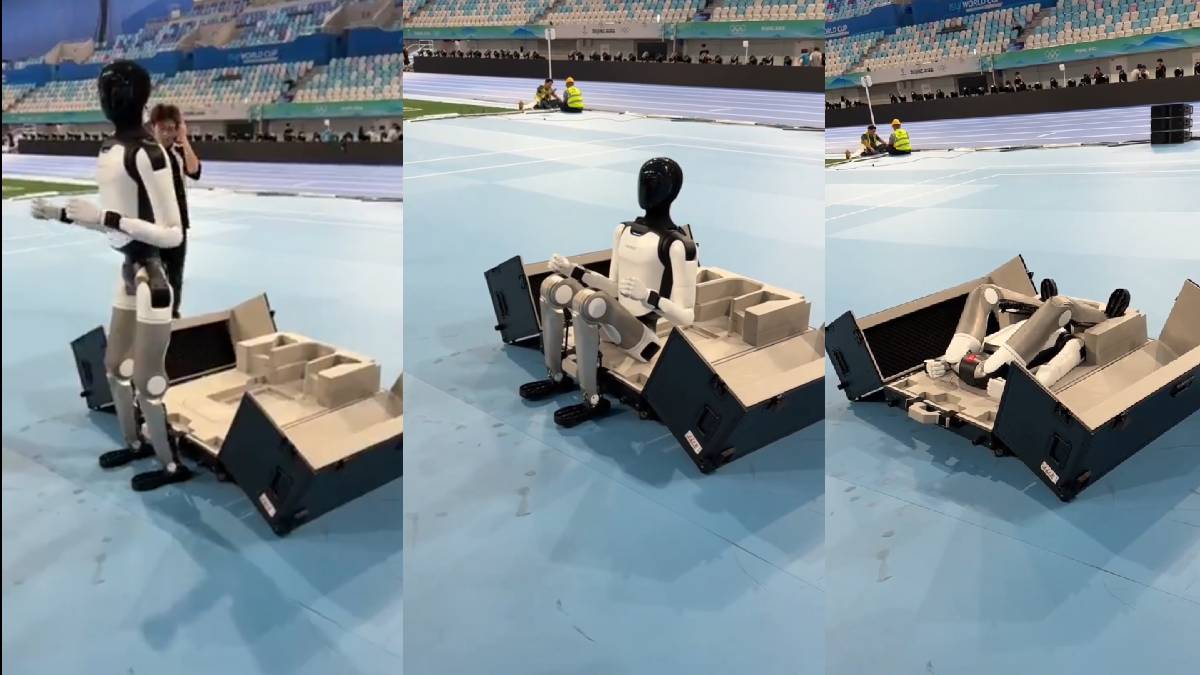
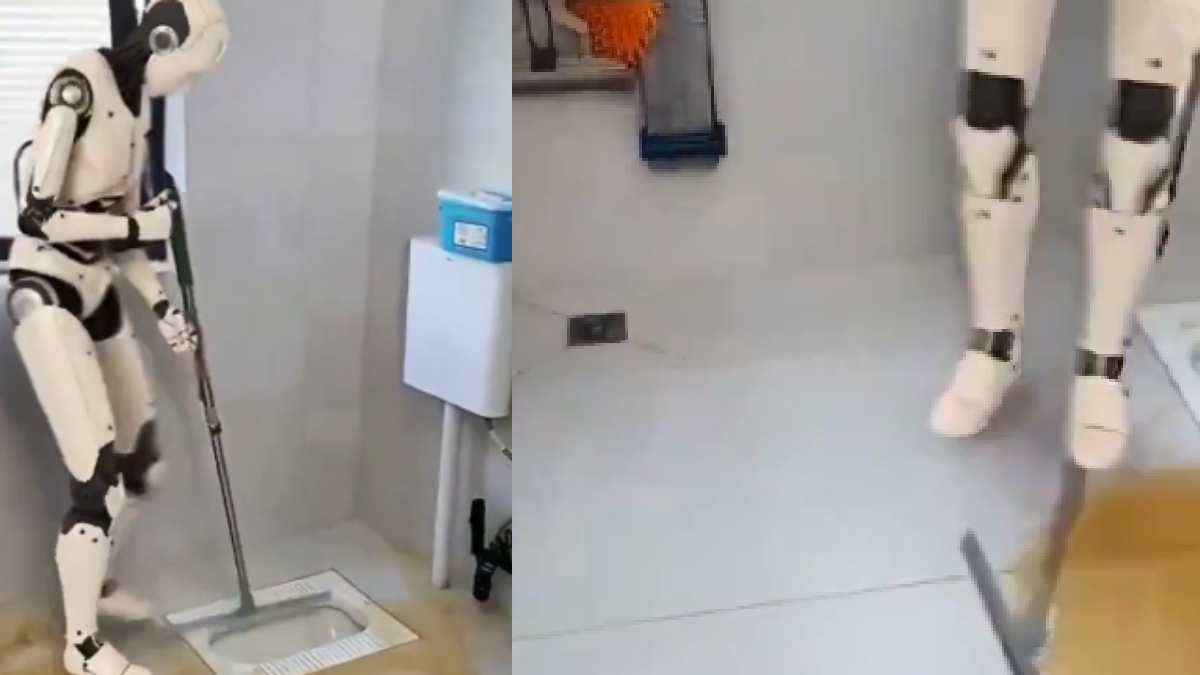
The humanoid robot industry is moving beyond factories and warehouses, and companies are looking at machines that can interact with people in homes and personal spaces.

And the most eye-catching development is the rise of human-like robots marketed or envisioned as companions, which begs the question Could people spend hundreds of thousands of dollars on an artificial partner?
Some humanoid robots are already being discussed with prices that range from tens of thousands of dollars to more than $100,000 depending on the capabilities, appearance and level of customization.
China-made lower-cost humanoid robots have also entered the market, and Tesla has been talking about making its Optimus humanoid robot significantly cheaper for mass-market consumers.
The appeal is not hard to understand. A very advanced humanoid could run continuously, help with household tasks, communicate naturally, and provide companionship. Machines do not age in the biological sense, do not require sleep in the same way and can be upgraded through both software and hardware.

But a robot that looks and behaves like a human partner leads to questions much more complex than technology.
The humanoid robotics market as a whole is forecast to expand rapidly in the next few years. Estimates vary widely, but industry predictions point to a multibillion-dollar market by 2030 for these robots in which startups are competing for artificial intelligence, movement, facial expressions, and human-robot interaction.
China is a major player in humanoid robotics as many companies develop advanced machines. The United States is also home to big projects like Tesla's Optimus initiative and other startups focused on general-purpose humanoid robots.
And the biggest challenge may not be engineering. It could be convincing consumers that owning such a machine means enough to justify the price.
A $175,000 purchase would place an advanced humanoid companion in the same financial territory as a luxury car, expensive property down payment or major investment. For some buyers, the attraction could be companionship and convenience. For others, the technology may simply represent the ultimate luxury product.
$175,000 for the perfect “woman” who never leaves, never ages, and works 24/7
— Forem (@0xForem) August 23, 2026
The humanoid market is racing toward $15 billion by 2030.
Who’s already pulling out their card?This is not an actress.
This is not cosplay.
This is a real robot with a human face, a real smile, and… https://t.co/Uo8FtRCGPU pic.twitter.com/eklRRDFXGn
There’s also a big difference between today’s humanoid robots and the futuristic machines seen online. Viral videos can make robots seem very lifelike, but many are still far from achieving mobility, autonomy, conversation and real-world reliability.
But the direction is clear. Humanoid robots are becoming more capable, more human-looking and possibly more accessible.
The question is no longer whether robots can look human. It is whether consumers will eventually decide that a machine can offer enough companionship, assistance and convenience to justify bringing one home.
If the industry is on the cusp of billions of dollars in value, that decision could determine just how far humanoid robots move from factories into daily life.