The idea that humans should eat three meals a day (breakfast, lunch and dinner) is deeply ingrained in the daily lives of most Indians. In the morning, we eat breakfast, and then in the afternoon we eat lunch, and then we eat dinner at night. Because it is routine for us to eat so much, it is considered to be the right diet to eat. But the recent remarks by Food Safety and Standards Authority of India (FSSAI) CEO Rajit Punhani revived a long-standing debate: was the traditional Indian way of eating only two meals a day?
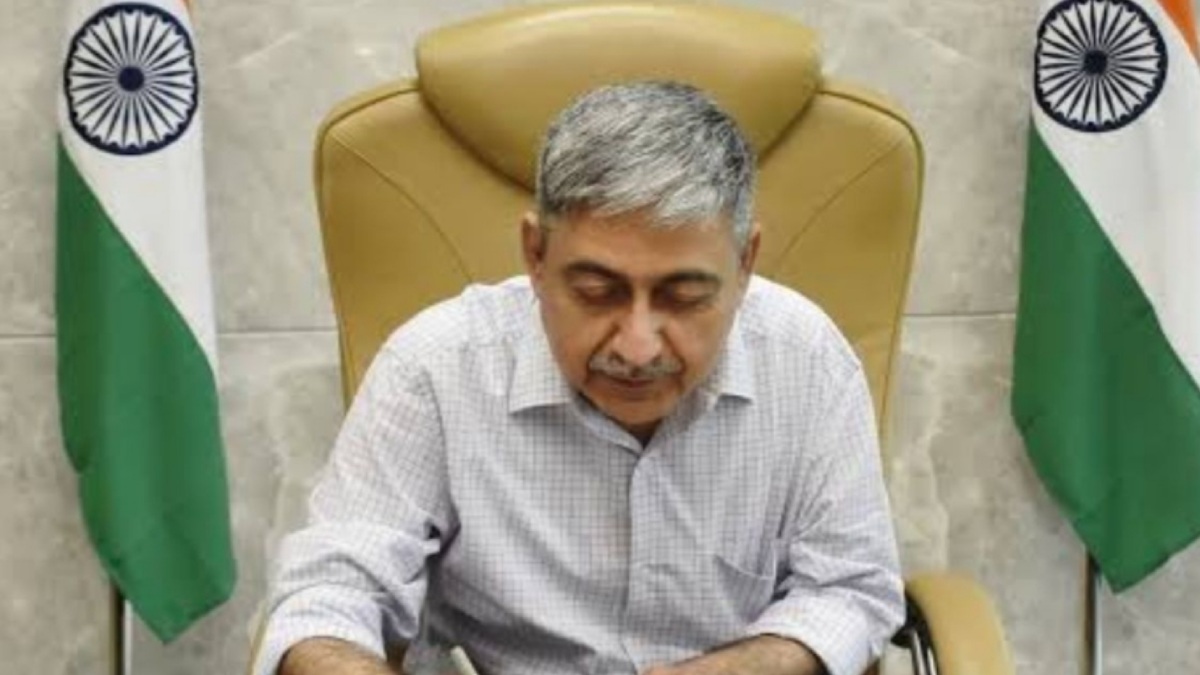
Punhani said in a media interview on 2 September 2026 that the traditional Indian food culture is not based on breakfast, lunch and dinner now. People eat two main meals a day, he said, and usually eat home-cooked food instead of packaged or processed food. He has drawn attention to the old Indian food habits and if things have changed from the ancient ways of eating.
FSSAI’s focus on traditional diets
Punhani’s observations connect to FSSAI’s broader efforts to promote healthier eating habits. With its “Eat Right Thali” campaign, the food regulator has been encouraging balanced, home-cooked meals and reducing dependence on ultra-processed foods.
FSSAI released a detailed 424-page book in 2025 that recorded traditional dishes from India’s 29 states. The report noted that traditional Indian diets were generally based on grains, pulses, vegetables, fruits, dairy products and spices, with a great emphasis on fresh ingredients and regional diversity.
What do the ancient texts say?
Supporters of the two-meal tradition point to references in Vedic literature, Dharmashastras and Ayurvedic texts.
The Taittiriya Brahmana contains some of the references that some scholars interpret as two meals per day. And many Dharmashastra texts, including the Gautama Dharmasutra, Baudhayana Dharmasutra and Manusmriti, discuss eating and advocate for limiting food to certain periods of the day.
The Mahabharata, especially in the Shanti Parva, contains Bhishma-written references to morning and evening as the time for meals. These references have been cited as evidence that ancient Indians had a structured eating schedule, rather than eating all day long.
Ayurveda and Meal Timing
In fact, Ayurveda places great importance on what people eat but also when they eat. The ancient Ayurvedic texts also say that digestion should take some time for food to be ingested before the next food is consumed.
The Sushruta Samhita, one of Ayurveda’s foundational texts, is frequently cited in discussions about meal frequency. Ayurvedic principles generally require that there be enough time between meals to support digestion and metabolic balance.
According to traditional Ayurvedic thinking, eating or snacking constantly would stress the digestive system. Rather, meals should be spaced out so that the body can fully digest food before the next intake.
The science behind meal gaps
Some of the modern nutritional science has also explored ideas that look like traditional eating patterns. Intermittent fasting has become popular in recent years, and in many countries, the practice has been adopted as a form of fasting. The time-consuming practice is to eat every day for a selected period of time and then to fast for the rest of the day.
Although there has been research for time-restricted eating to be good for weight management, insulin sensitivity and metabolic health for some, nutrition experts point out that the success of such diets varies from person to person.
Supporters of two-meal eating patterns say longer time between meals allows for digestion to take place and may help to curb blood sugar levels. Frequent eating can also lead to excessive calorie consumption.
How did three meals a day come to be common?
Historians have pointed to several reasons for the widespread adoption of three meals a day in India.
One of the major influences was the British colonial period, when Western-style meal structures became more common. In urban life, breakfast, lunch and dinner gradually spread and later became part of common Indian life.
Industrialisation also played a role. As people worked fixed hours in offices and factories, meal breaks became necessary. The agricultural lifestyle and work hours started changing to a routine that was based on work hours, where three meals a day were more realistic.
Is two meals a day right for everyone?
Health experts noted that there is no one eating pattern that is universal. Some people may be able to survive on two meals a day, while others may require three or more meals depending on their age and health status.
Children, pregnant women, breastfeeding mothers, athletes and people with certain medical conditions have different nutritional requirements. For them, eating more frequently may be necessary to meet energy and nutrient needs.
Nutritionists stress that the quality of food is much more important than just counting calories. Healthy foods are fruits, vegetables, whole grains, proteins and healthy fats, and those are what contribute to good health.
The FSSAI CEO Rajit Punhani’s comments raised an interesting aspect of India’s cultural and nutritional history. Ancient texts, Ayurvedic teachings and modern fasting trends all suggest that eating patterns have evolved significantly over time.
But the debate isn’t about whether two meals are better than three. It’s about the fact that traditional Indian dietary wisdom placed such an emphasis on meal timing, digestion and food quality.
The best eating style is based on the individual’s lifestyle, health condition, age and nutritional needs. And whether you eat two meals a day, three meals a day or some variation of that, the experts say balanced nutrition and mindful eating are the keys to long-term health.