Spiritual preacher and Gauri Gopal Ashram founder Aniruddhacharya has been criticised on social media after images of him being treated during a visit to Chicago were posted online. The visuals have ignited a debate over the conflict between some of his publicly voiced views on traditional or cow-based remedies and his use of current medical facilities in the United States to seek treatment.
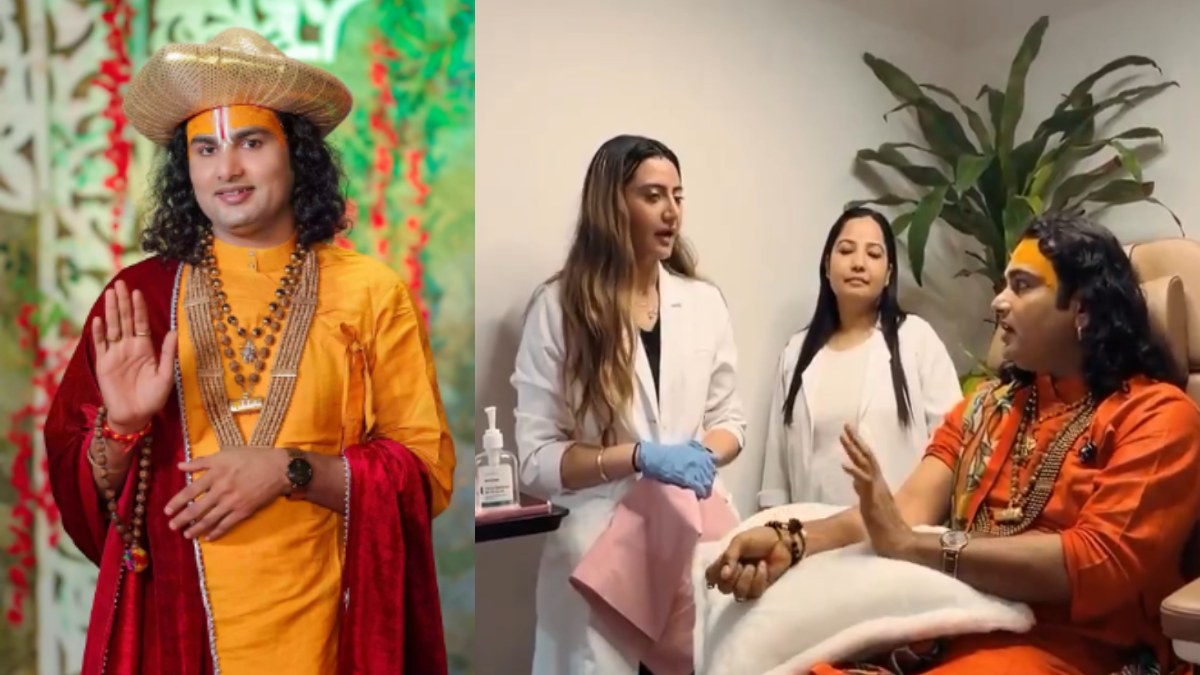
Aniruddhacharya, well known for his religious teachings and social media presence, has a huge following in India and abroad. His writings on health, lifestyle and traditional practices have attracted much attention in the past too. The latest controversy came along with video from his Chicago visit, and some critics questioned why a religious figure associated with traditional remedies would seek better medical treatment outside India.
The criticism has been primarily on what users felt was an apparent inconsistency. Social media users have commented on his reported focus on cow-based practices, including cow urine treatments, and on his use of modern healthcare during his overseas trip. Some of them have also accused him of being a “promotional evangelist” and spreading ideas to followers that he probably doesn’t necessarily rely upon for his own medical requirements.
Some critics derided him as a “charlatan” and questioned the number of foreign trips he made. But such descriptions are largely online comments rather than actual reports of his medical treatment or professional conduct. And the controversy has also showed how quickly short videos and individual comments can incite wider arguments about public figures— and especially those who hold religious teachings with health and lifestyle philosophies.
In the meantime, Aniruddhacharya's supporters have argued that they support his choice to receive medical care in the U.S. because it doesn’t mean that an individual’s faith or interest in traditional practices are invalidated by the fact that, if one chooses to go to traditional medical care because of a particular health issue, that person is in denial.
The debate is bigger than Aniruddhacharya himself. It raises a larger question of the role of spiritual influencers when the audience in discussions of health-related topics are large. Religious leaders and public personalities can have great influence over followers and statements about health advice can bring criticism if they are about treatments that have no medical evidence.
Medical experts and public health officials mostly distinguish between traditional cultural practices and treatments that have been scientifically proven to prevent or cure disease. Some traditional practices may have cultural or personal significance, but claims that a certain substance or remedy can treat serious illnesses require credible scientific evidence. When the likes of famous individuals speak about such practices to large audiences it is all the more important to have a scientific basis for that claim.
The Chicago footage has thus come to be a part of a larger dialogue on how faith, traditional beliefs and modern medicine mesh. For many followers, religious faith and contemporary medicine can work together. A person can hold spiritual beliefs but also seek advice from qualified doctors and undergo evidence-based medical treatment when necessary.
But for critics, the issue is consistency. Public figures who push for alternative remedies that are very strong should be open about what they actually receive in medical treatment, they say. Supporters counter that personal medical decisions are private and that getting treatment in a modern hospital is not the same as giving up traditional or religious beliefs.
The controversy goes to show us the challenges of public personalities in the age of social media. A short video can be viewed millions of times, often in a single moment with no context. Online reactions can then turn an isolated moment into a much larger debate about a person’s beliefs, statements and lifestyle.
In the debate over Aniruddhacharya’s medical visit in Chicago, the ultimate issue is the difference between personal health treatment and advice to the public. Whatever your religious or cultural beliefs, health-related claims can have real consequences and so credible medical evidence and professional advice are especially important.
The episode is therefore likely to continue generating discussion not only about Aniruddhacharya but also about the expectations set on spiritual leaders and influencers who speak about health. It underscores the increasing demand for consistency and transparency from public figures and also raises questions about the freedom individuals should have to choose the healthcare they consider best for themselves.