India’s farmers have long been known as Annadata - in the context of food because they are vital to the country. But as India moves toward a cleaner and more diversified energy supply system, a new vision is emerging - that farmers may also become Urjadata, or providers of energy.
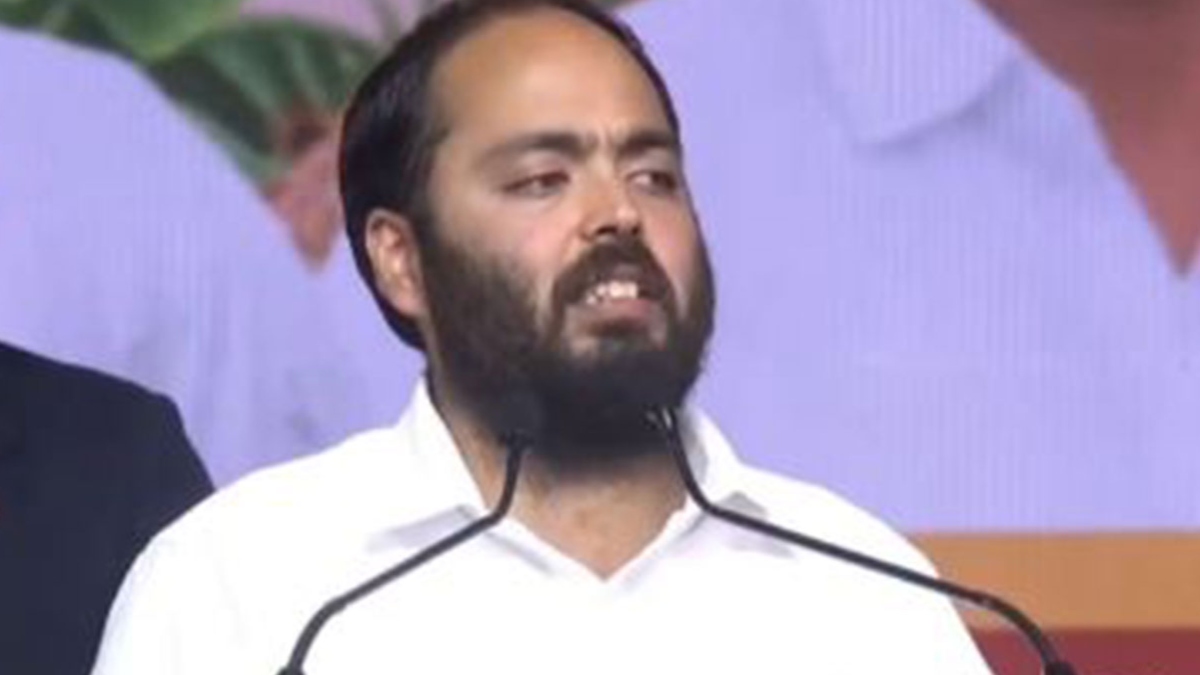
The idea, as reiterated in Anant Ambani’s vision, is that India’s agricultural communities could play a growing role in the country’s energy transition. The concept is not a view of farmland only as a source of crops but of how agriculture, agricultural infrastructure, farm residues and renewable resources can contribute to India’s growing energy needs.
The shift from Annadata to Urjadata represents a general shift in how agriculture and energy can work together. India has a lot of potential for renewable energy, solar energy in particular. And much of the country is exposed to a lot of sunlight for most of the year, and there are opportunities for solar installations in rural areas. Farmers can be part of this shift with solar irrigation projects, decentralized renewable energy projects, agricultural waste-based energy generation and other clean energy projects.
Solar power is particularly important since agriculture itself is a major consumer of electricity. Irrigation pumps, cold storage facilities, processing units and many other farm-related processes need reliable energy. By giving farmers access to decentralized renewable power, we can thus give farmers access to non-polluting renewable energy, farming can also be an opportunity for clean and potentially more reliable energy and therefore rural communities can engage in electricity generation.
The idea of farmers becoming Urjadatas also fits in with the increasing importance of farming residues. Agricultural waste that is normally burned or thrown away may be used as bioenergy and other forms of renewable fuel and potential feedstock for industry. Converting agricultural waste into energy could generate more economic opportunities for rural communities and reduce pollution from open-field burning.
Another important aspect to farmers’ income is the possibility of new income for them. Renewable energy projects on suitable agricultural land and solar plants for farming operations and energy-producing agricultural infrastructure could open new sources of income for farmers. For farmers, such opportunities could supplement the income of agriculture rather than replace it.
The Annadata-to-Urjadata vision also mirrors India’s broader energy security objective. The rapidly growing economy needs reliable and affordable energy in every field, from transportation to homes to agriculture to finance. More domestic renewable energy production will help diversify the energy mix and reduce dependence on imported fossil fuels over time.
But turning that vision into reality will take careful planning. Farmers need technology, funding, reliable power infrastructure, transparent contracts and good government support. Renewable-energy projects should also be planned in such a way that agricultural livelihoods are protected and farmers are paid a fair economic benefit.
Technology will have a big role in this transition. Improvements in solar panels, battery storage, smart irrigation, agricultural machinery and bioenergy systems could make decentralized energy generation more viable in rural India. Digital platforms can also connect farmers to energy markets, financing opportunities and government schemes.
Thus the farmer as Annadata and Urjadata is more than a change in terminology. It is a vision of a country where India’s rural economy is as much a part of the country’s clean-energy future. Farmers who have historically been able to maintain the nation’s food security also have the potential to make an important contribution to the country’s energy security as well.
As India’s renewable energy ambitions expand, the fields that feed the country could also become part of the infrastructure that powers it. The journey from Annadata to Urjadata may bring agriculture, technology, sustainability and energy security together—and could be the nucleus of India’s farmers’ destiny.