A major controversy has erupted in Bengaluru’s Parappana Agrahara Central Prison after prison DIG Somashekhar was arrested by police for questioning in relation to a purported fake Supreme Court order to secure the release of a life convict. Parappana Agrahara police are currently investigating the senior prison official to find out how the fake document was accepted and how the prisoner managed to walk out of jail.
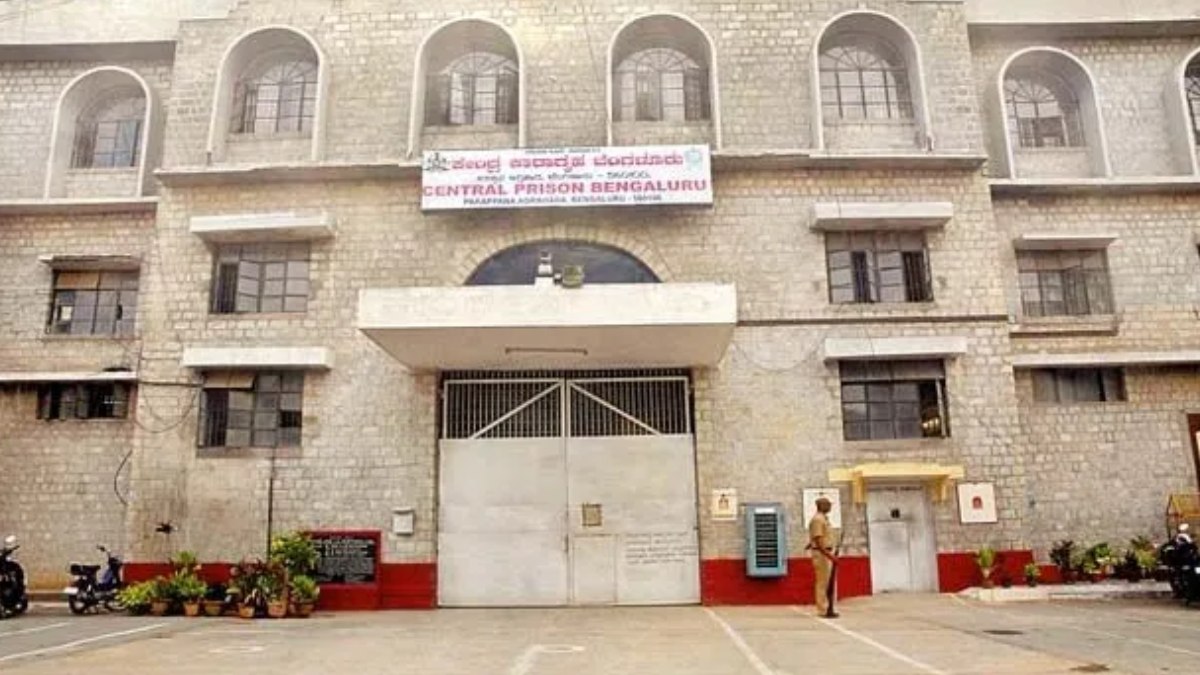
Shankar, who was serving a life sentence, was released from prison based on what was presented as a Supreme Court order, said investigators. But later on, the top court had not given the order and did not provide the release direction. Such a finding has raised serious questions about the verification process that prison authorities were in charge of at the time, he added.
According to the details of the case, Shankar had been convicted in a serious criminal case and was sentenced to life imprisonment. Now authorities are examining the circumstances under which the so-called fake court document was prepared, submitted to the prison authorities, and then accepted as authentic. Police have already arrested Shankar and another accused person (Srikant) for forgery and illegal release.
The investigation has now widened to examine the role of prison officials who were responsible for handling the case at the time. Somashekhar, currently serving as a Prison DIG, was reportedly the Chief Superintendent of the prison when Shankar was released. Therefore, investigators are investigating whether there were lapses in the verification of the purported Supreme Court order and whether officials followed the required procedures before allowing a life convict to leave prison.
The case dates back to 2001 when Shankar was arrested in connection with a kidnapping and extortion case. There were charges filed against him under Sections 364A and 120B of the Indian Penal Code. After trial, he was convicted and sentenced to life. The court had ordered that the sentences be served concurrently and also imposed a fine of Rs 5,000.

Several years later, in 2018, prison authorities had received a letter saying that a criminal appeal had been filed before the Supreme Court in relation to Shankar's conviction and that an order had been issued directing his release. Acting on the purported judicial communication, prison authorities eventually released him. The supposedly forged documents were evidently not detected at the time.
The fraud was only discovered years later. A communication was sent to the Director General of Prisons around eight years after the prisoner’s release stating that Shankar had escaped from custody by using forged documents. The prison department then initiated an internal investigation to find out what had happened and how the fake Supreme Court order had passed through the official system.
The Supreme Court had never made Shankar’s release conditional, investigators discovered during the investigation. That change of direction elevated the matter from being just a case of forgery, deception, and possible lapses in the prison administration. Police are now investigating not only those who made or used the fake documents but those who processed them.
The DIG Somashekhar being questioned is significant because he was in the position of the alleged culprit. There is a need to know how the prison administration processes, documents from the purported court source were received, and what steps were taken prior to releasing the convict. His custody itself is not enough to establish criminal liability, and the allegations against him will be established through the ongoing investigation.
The case has also raised wider issues about document verification and communication between courts and correctional institutions. The release of a life convict on the basis of a forged judicial order highlights the importance of robust verification mechanisms, especially when dealing with sensitive court directions involving convicted prisoners.
In the Parappana Agrahara police investigation, the whole chain of Shankar's release will be investigated. How this fake order was made, who submitted it, who benefited from it, and whether any officials knowingly or unknowingly facilitated the release of Shankar. Police will follow up at the moment, and further information concerning the accused and the officials involved in the case might come out.