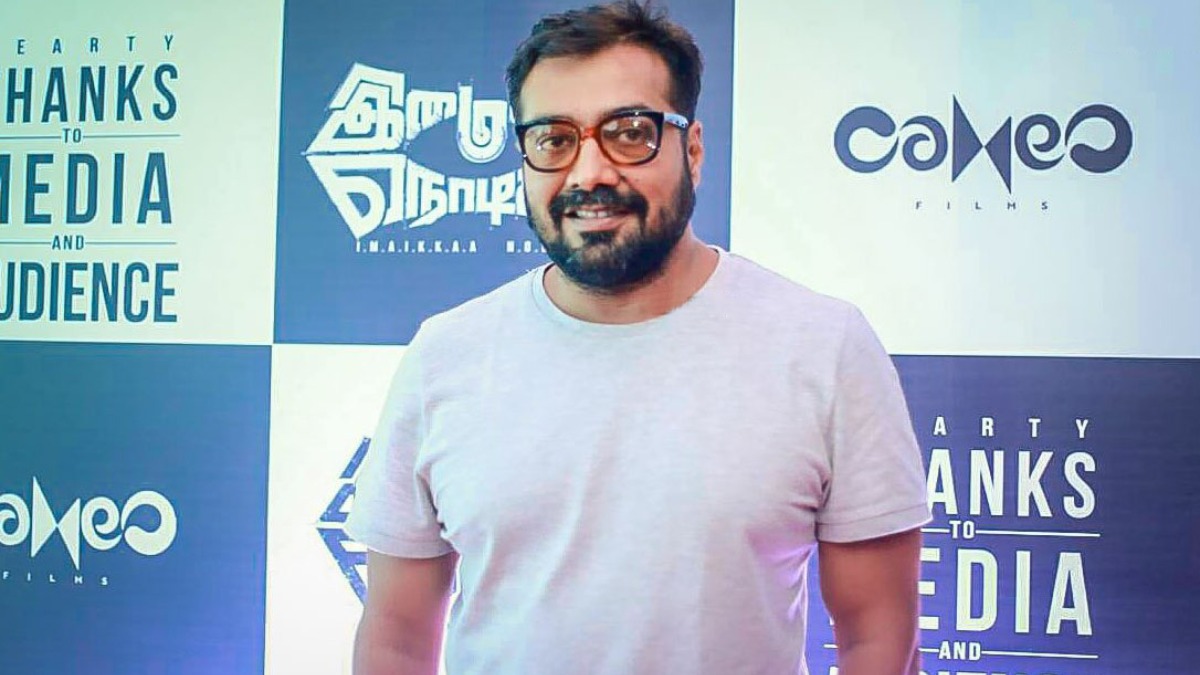
A film director and actor Anurag Kashyap too has criticized the police’s response on the recent CJP protest as police action was too aggressive. Kashyap said “I don’t follow this order” in a public statement to stand up for democracy and freedom of expression.
The statement comes at a time of heightened political tension surrounding the protest, where demonstrators gathered to press their demands before police intervened to disperse the crowd. The incident has widened the debate on the right to peaceful assembly, the role of law enforcement in public demonstrations and how to balance public order and constitutional freedom.
Anurag Kashyap’s Response
Anurag Kashyap, a well-known social and political person, spoke and took the stage to question the way in which the protest was handled by the government. “Police should not be able to take over the protest because dissent must be expressed,” he said.
His comment, “Won’t follow this order,” has been read as symbolic resistance against what he considers a cruel order rather than a call for bad behavior. Support and criticism poured in as soon as the comments were made.
Supporters praised Kashyap for defending civil liberties and democratic values and critics claimed that public figures should be wary of talking about sensitive law-and-order situations.
The background of CJP Protest.
The protest was organized by members and supporters of the CJP who came together to voice their concerns over problems they say need urgent government action. Crowds had wanted peaceful gathering: that was in question when cops started to pull back the crowd when they said security and public order are two of the reasons behind it.
Authorities said they did so to prevent disruption, and to be safe; but some protesters claimed the response was disproportionate. Videos and images from the protest have since then circulated online, and a lot of people have been talking about the event and different people feel a bit different.
Debate Over Democratic Rights
The incident has reignited discussion about the constitutional right to peaceful protest in India. Civil society groups and legal experts often stress that governments have the power to regulate public gatherings for safety reasons, but restrictions should be proportionate and consistent with constitutional protections.
Public demonstrations have historically been a significant part of democratic societies because they allow citizens to voice their concerns, ask for accountability, and shape public policy. Yet law enforcement agencies argue that they must balance these rights with the need to maintain peace and prevent potential disturbances.
Social Media Reactions
Kashyap’s comments instantly became a trending topic and thousands of users took sides on the protest and filmmaker’s statement.
Some social media users supported his stance to defend free expression, arguing that artists and public figures are essential to raise awareness about issues in society. Some people have also criticized the remarks as police officers work in difficult situations and should not be judged without considering the full context.
The online debate is representative of the larger polarization that often accompanies politically sensitive issues in the country.
Role of Public Figures
While the film industry in India is a very diverse one, and there are very few who stand out in the film industry, Anurag Kashyap is one of the most prominent voices.
Public figures are constantly criticized for taking sides in political disputes and they can also bring more attention to governance, public policy and citizens’ rights.
The police action and Kashyap’s comments are likely to continue to spark debate among authorities, protest organizers and political leaders. A government investigation, legal proceedings and/or public statements from government agencies may add to the public’s perception of the incident.
For now, the episode underlines the difficulty in balancing public order with the democratic principles of peaceful protest and free expression. As the discussions continue, many observers will be looking at how authorities address concerns raised by protesters while ensuring that law enforcement actions are transparent and accountable.