They were quick-thinking gatekeepers who rushed to stop a trespasser from getting too close to the tracks in a railway connection near Sirkazhi that could have been fatal because of the railway man’s quick thinking and courage. What happened at the railway line’s level crossing on July 6 has since been widely praised for the railway worker’s sense of awareness and dedication to duty.
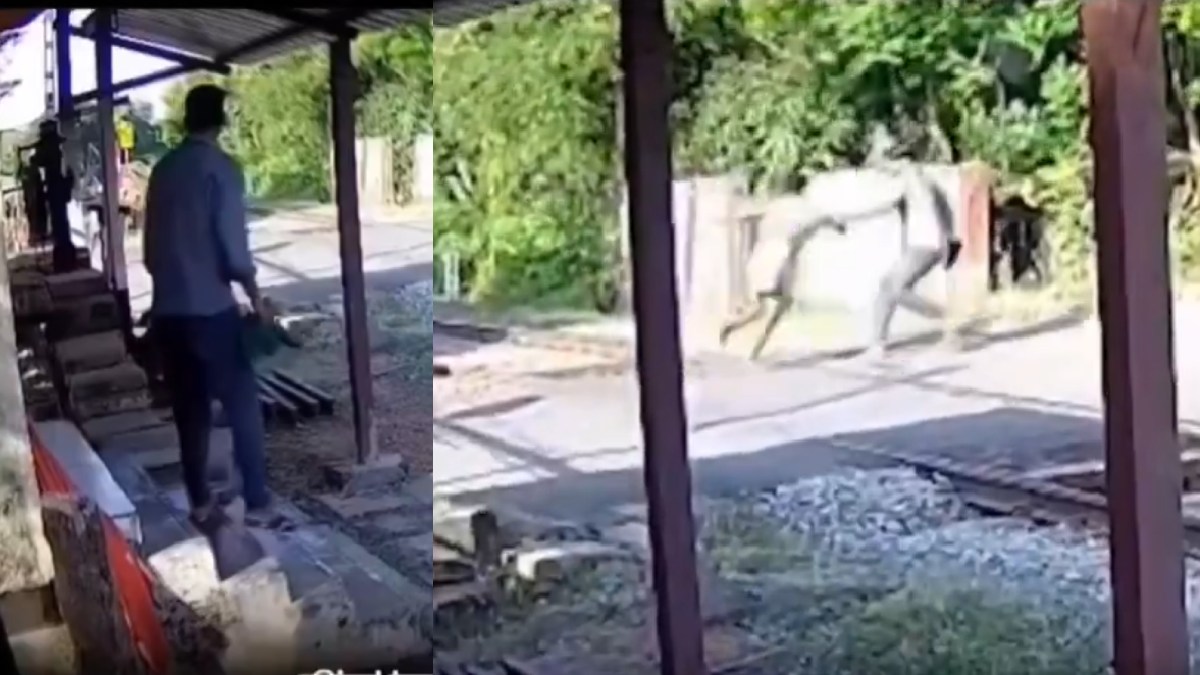
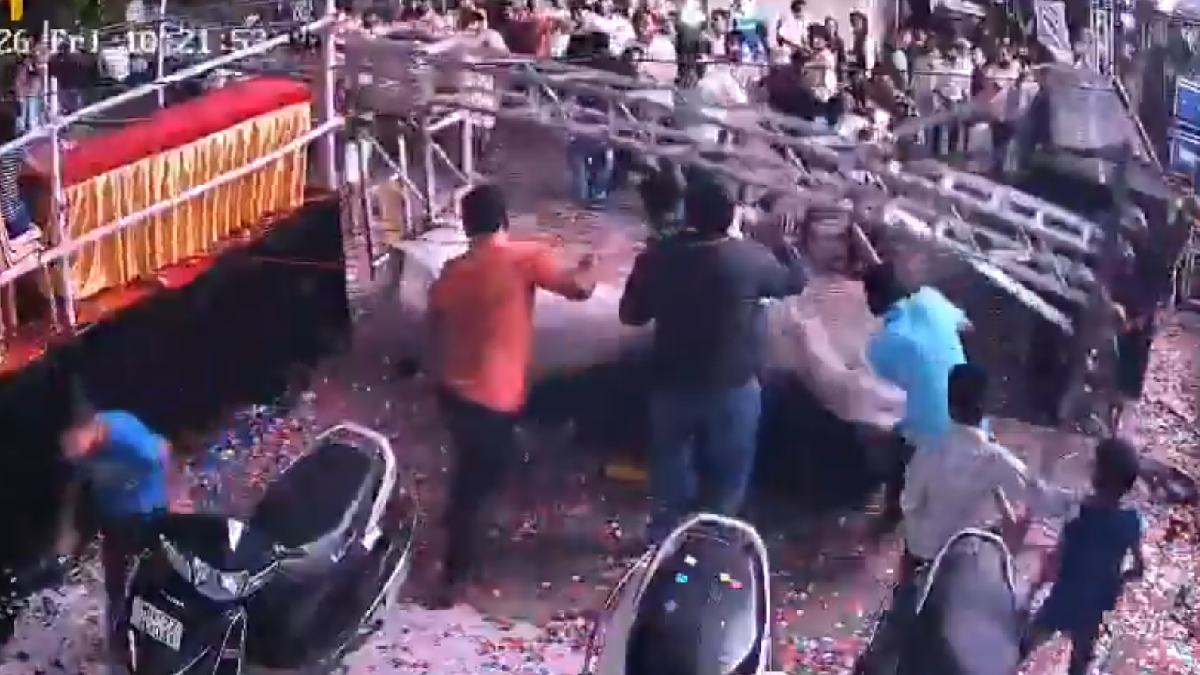
The incident took place at a level crossing in Sirkazhi when the railway gates had already been closed to prevent the road users from entering the track as a train approached. Despite the warning from the closed gates, an elderly man entered the railway tracks, the report said. The man was, in fact, probably drunk and unaware of what the approaching train meant.
At that moment, 30-year-old Sandeep Chahar, a railway gatekeeper in Jaipur, saw the man on the tracks. Knowing he had no time to react, Chahar moved towards him. The railway worker did not wait for the trespasser to understand the danger himself but grabbed his arm and pulled him away from the tracks.
The rescue occurred just seconds before the Mayiladuthurai-Villupuram train took off across the crossing. The narrow time between the rescue and the train’s arrival underlined just how dangerous the situation had become. A little delay in Chahar’s response could have resulted in serious or even fatal accidents.
The footage has attracted attention and people praise the railway worker who reacted without hesitation. The visuals show the urgency of the situation and how quickly an apparently routine duty at a railway crossing can turn into a life-threatening emergency, the newspaper said.
Chahar said he was carrying out his duty. His answer was in line with railway personnel who are called to safety at crossings and prevent people or vehicles from entering the tracks when trains come in. Though the rescue was recognized, he said he thought the rescue was part of his job and felt joy to have saved a life.
Railway officials later honored Chahar for his bravery and presence of mind. He was awarded a medal and safety certificate in recognition of his actions. He was also told to be on the alert at the level crossings where people (pedestrians and drivers) frequently ignore safety barriers and alerts.
The incident has also raised the alarm about trespassing onto railway tracks. Level crossings are designed to keep road and pedestrian traffic away from tracks while trains are passing and ignoring closed gates can have devastating consequences. Trains take a long time to stop and a person who enters the track when the crossing has been closed has only seconds to escape.
The incident has also galvanized safety advocates to make safety warnings on railway crossings more widespread. In this case, gatekeepers did prevent a tragedy but railway authorities and commuters face problems with trespassing and unsafe behavior around tracks too.
A railway gatekeeper in Tamil Nadu displayed remarkable courage by risking his own life to save a man from an oncoming train near Sirkazhi in Mayiladuthurai district pic.twitter.com/xRa0oviZ9T
— Tehxi (@yajnshri) September 4, 2026
The episode is a reminder that railway safety is not just infrastructure and warning systems or the protection of people’s safety but the safety of people. Closed railway gates should never be opened or bypassed, especially when a train is coming. Even a single mistake can put lives at risk.
Chahar’s experience was how quick and decisive action can make a difference and how quickly the action can be taken. His decision to intervene immediately rather than have the train go by helped to save the man from getting stuck behind it. The recognition of railway officials has also shown that employees who are disciplined while working are valuable.
The rescue near Sirkazhi ended without loss of life but also serves as a strong warning to railway users. Crossing gates are closed so moving onto tracks is virtually impossible. Chahar’s quick action meant that what could have been a tragic railway accident became an example of courage, responsibility, and quick thinking.