A colossal ash cloud originating from a recent volcanic eruption in Ethiopia has traversed thousands of kilometers, reaching Indian airspace and triggering significant disruptions to air travel. Multiple airlines have been forced to cancel flights to and from India, leaving thousands of passengers stranded and raising concerns about the broader implications for aviation and global weather patterns.
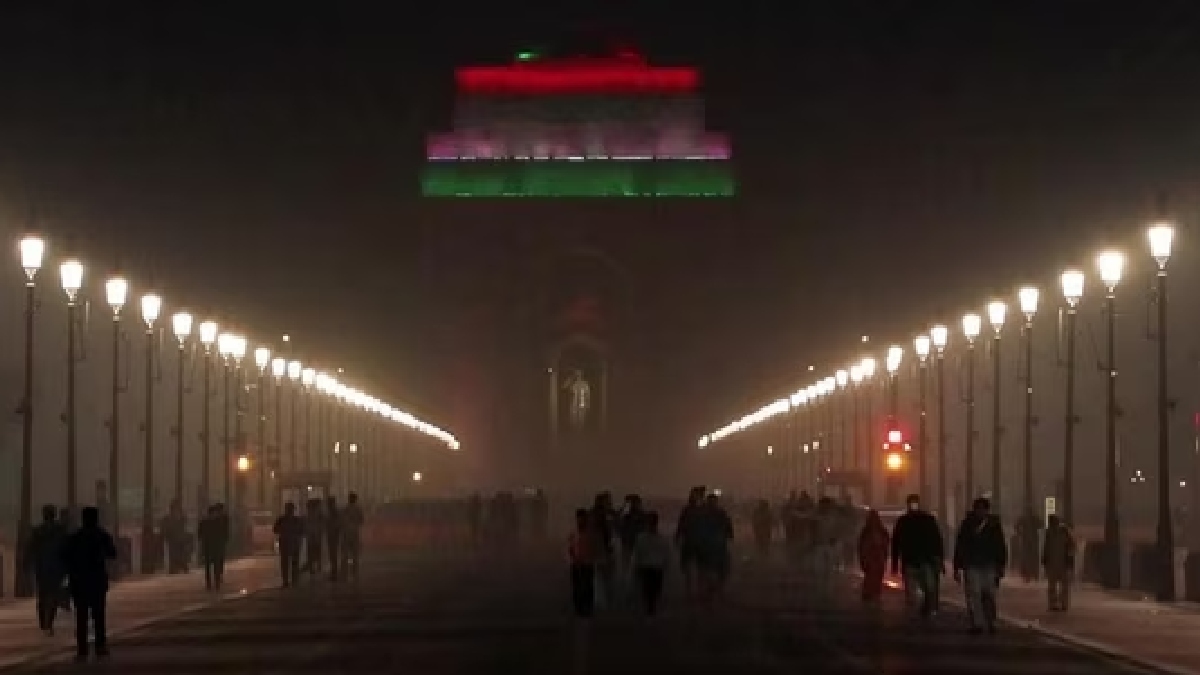
The eruption, which occurred late last week in the remote Afar region of Ethiopia, spewed vast quantities of volcanic ash high into the atmosphere. While initial assessments focused on regional impacts, meteorological agencies have confirmed that prevailing high-altitude winds have carried the ash plume eastward, directly into major flight paths serving the Indian subcontinent.
"We have detected a significant concentration of volcanic ash at altitudes commonly used by commercial aircraft," stated a spokesperson for the Indian Meteorological Department (IMD). "While the immediate threat is to aviation safety, we are also monitoring for any potential long-term atmospheric effects."
Volcanic ash poses a severe threat to aircraft, as its abrasive particles can damage engines, reduce visibility, and contaminate vital systems. Airlines, prioritizing passenger safety, have swiftly responded by grounding flights and rerouting others to avoid affected areas.
Major international carriers, including British Airways, Emirates, and Qatar Airways, have announced cancellations and delays for flights destined for Delhi, Mumbai, and other major Indian cities. Domestic airlines have also been impacted, with knock-on effects rippling through the country's busy air travel network.
"The safety of our passengers and crew is paramount," read a statement from a leading European airline. "We are working closely with air traffic control and meteorological authorities to assess the situation hourly and will resume normal operations as soon as it is safe to do so."
Passengers at airports across India and internationally have been met with scenes of frustration and uncertainty. Many are facing prolonged delays, missed connections, and the challenge of finding alternative travel arrangements. Airlines are advising travelers to check their flight status regularly and contact their respective carriers for updates.
Beyond the immediate travel chaos, experts are closely watching the ash cloud's potential environmental and climatic impacts. Large volcanic eruptions can inject sulfur dioxide and other gases into the stratosphere, which can lead to temporary global cooling and alter weather patterns.
"While it's too early to definitively predict the climatic impact of this particular eruption, the sheer scale of the ash cloud reaching so far east is notable," commented Dr. Anya Sharma, a climatologist at the Indian Institute of Tropical Meteorology. "We will be studying this phenomenon closely."
Authorities in India and international aviation bodies are maintaining a vigilant watch on the ash cloud's movement and dispersion. The incident serves as a stark reminder of nature's power and the intricate interconnectedness of global systems, where an event thousands of miles away can have immediate and far-reaching consequences.