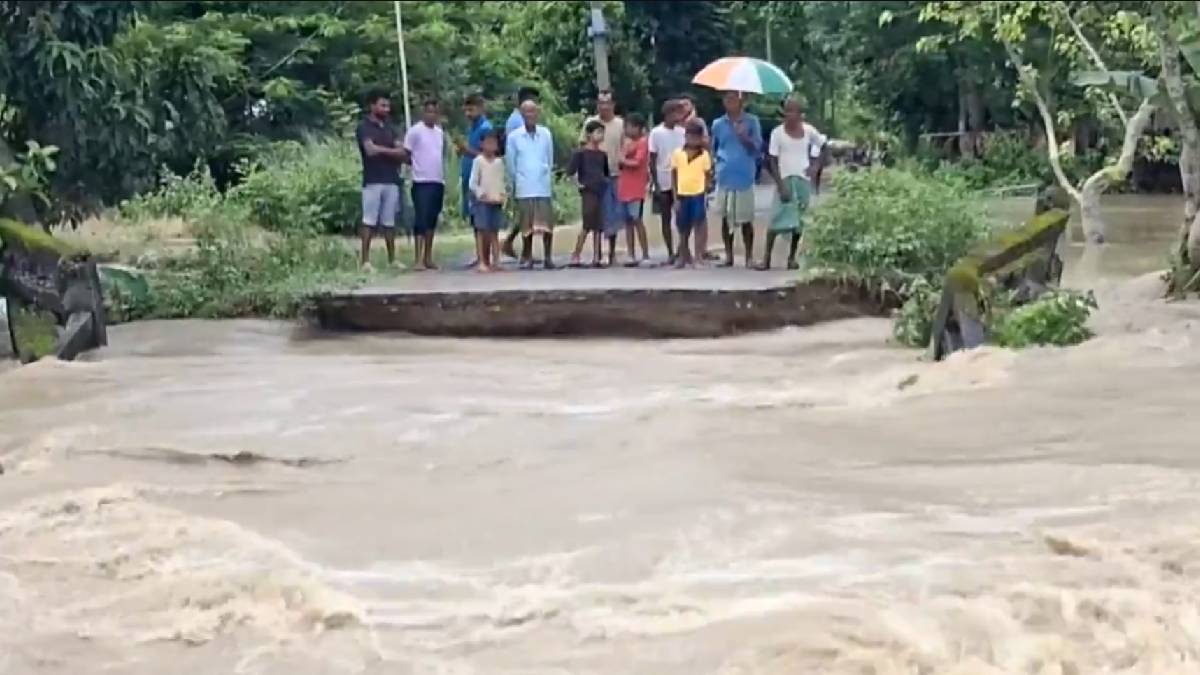
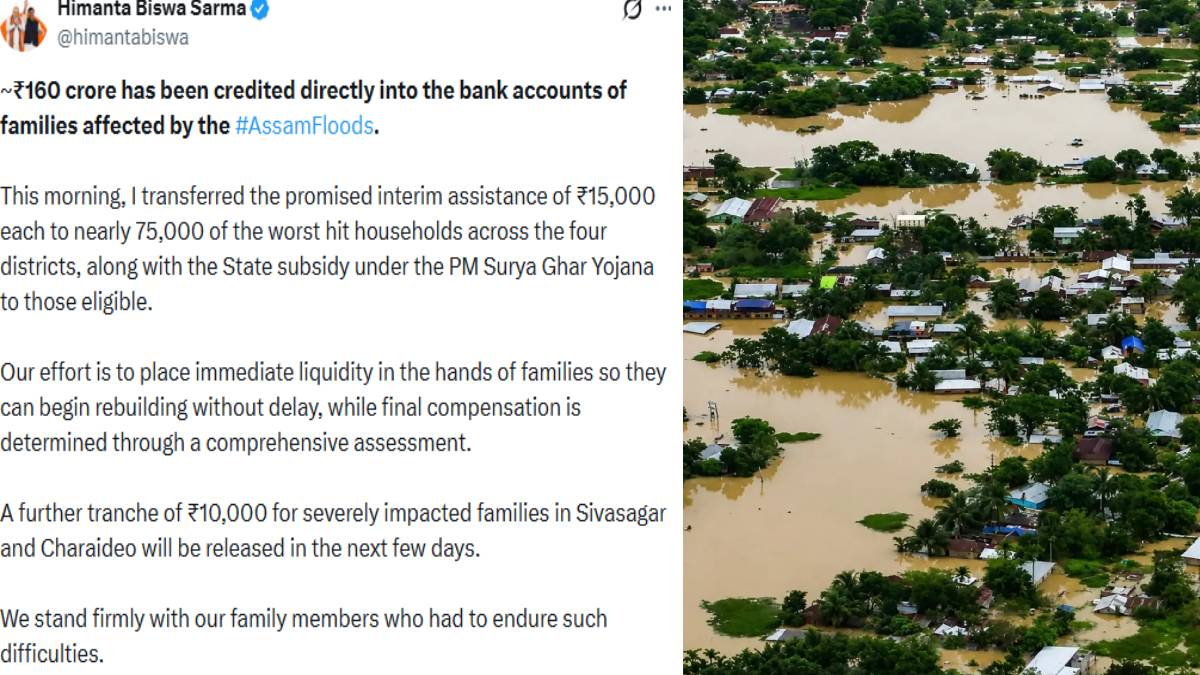
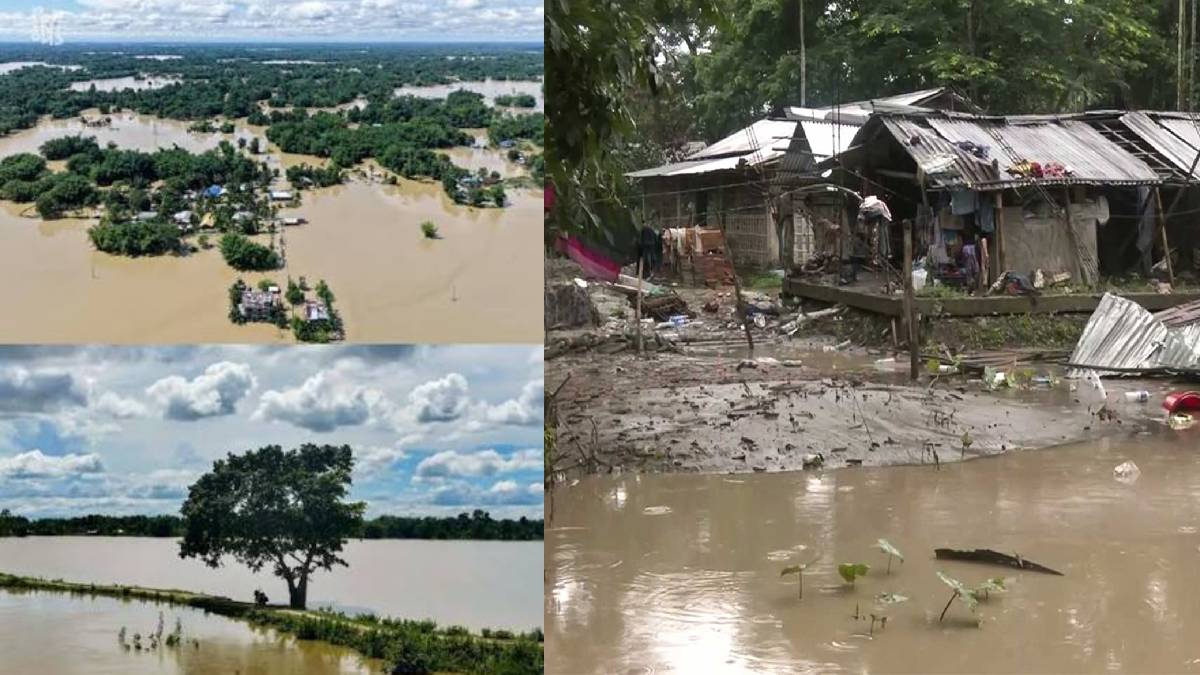
The severe flood situation affecting the northeastern Indian state of Assam has begun to show signs of improvement in recent weeks and relief for the affected communities who have been affected by rising waters. The number of affected people has been considerably reduced in the latest official situation report by Assam State Disaster Management Authority since the last few days. But despite the decreased water levels in some areas, the humanitarian crisis is critical and still very much existing and still hitting thousands of people living in different districts.
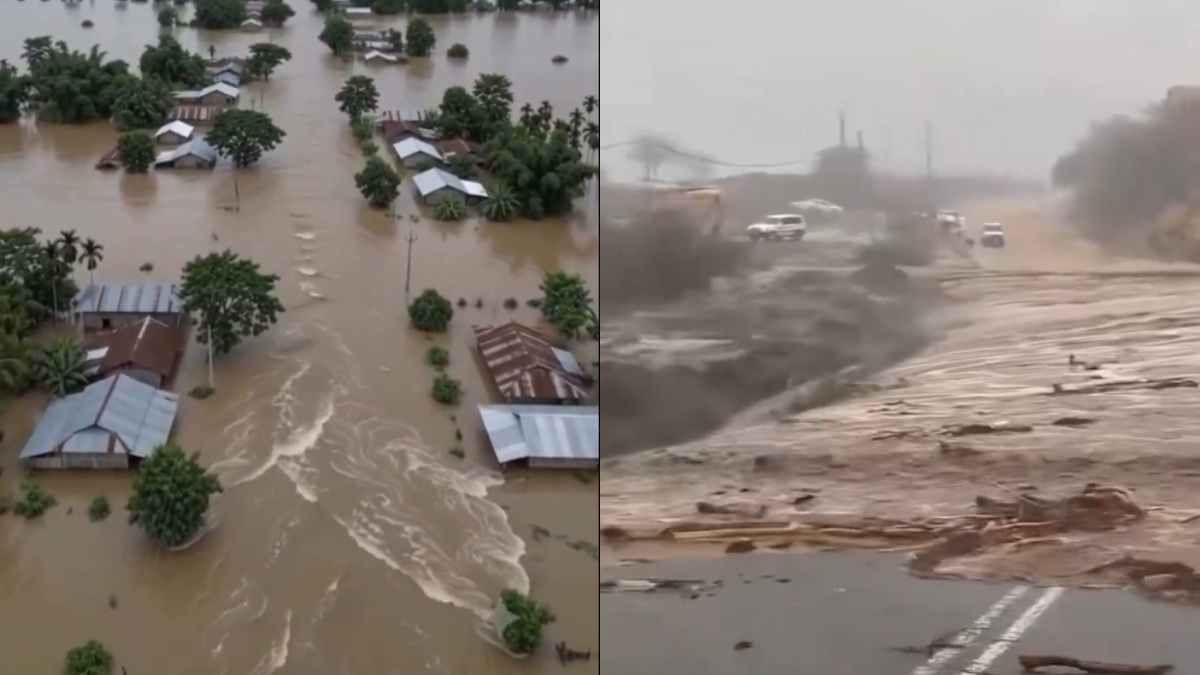
The situation got worse yesterday with the discovery of three more deaths linked to the flood, all of them in the Sivasagar district. The death toll for the state's current flood season is now 85. The latest bulletins indicate that approximately 1,36,200 people continue to face the disruptive and damaging effects of inundation in five primary districts: Sivasagar, Charaideo, Dhemaji, Golaghat, and Jorhat. Although this is a slight improvement on the nearly 1.8 lakh people affected just one day earlier, thousands of vulnerable families have been left with badly damaged homes, destroyed lives, and little access to basic daily services like drinking water and medicine.
Among the most affected areas, Sivasagar is the most impacted district and more than 55,000 people are still suffering from floodwaters. Charaideo is close behind with over 40,000 people suffering the most and Jorhat over 22,000 people under similar circumstances. Some of the affected population is scattered across Dhemaji and Golaghat where district authorities keep a constant watch on the situation and are monitoring it 24/7. The disaster is also very wide-ranging in nature: floodwaters have submerged 335 villages and disrupted rural infrastructure, and agriculture is badly affected as over 15,422 hectares of fertile farming land have been destroyed so far, with the rural economy and farmers' wealth held hostage.
In response to the emergency, local district authorities have mobilized, setting up 54 relief camps and distribution centers across the affected areas. These facilities are already providing essential shelter, nutritional food, and medical care to 13,771 displaced people forced to flee their inundated homes. Hydrology monitoring indicates that the Dhansiri River continues to flow dangerously above the warning mark at Numaligarh, hence emergency response teams are on high alert. State and disaster management teams throughout the country are doing their best to accelerate relief, rescue, and rehabilitation for the victims and warning residents in areas of vulnerability to take care of themselves should the situation not improve completely.