The flood situation in Assam is still grim as the death toll is at 97 after two more deaths were reported on Friday. Despite some improvement in some areas of the state, more than 1.68 lakh people across 15 districts are still battling floodwater, officials said.
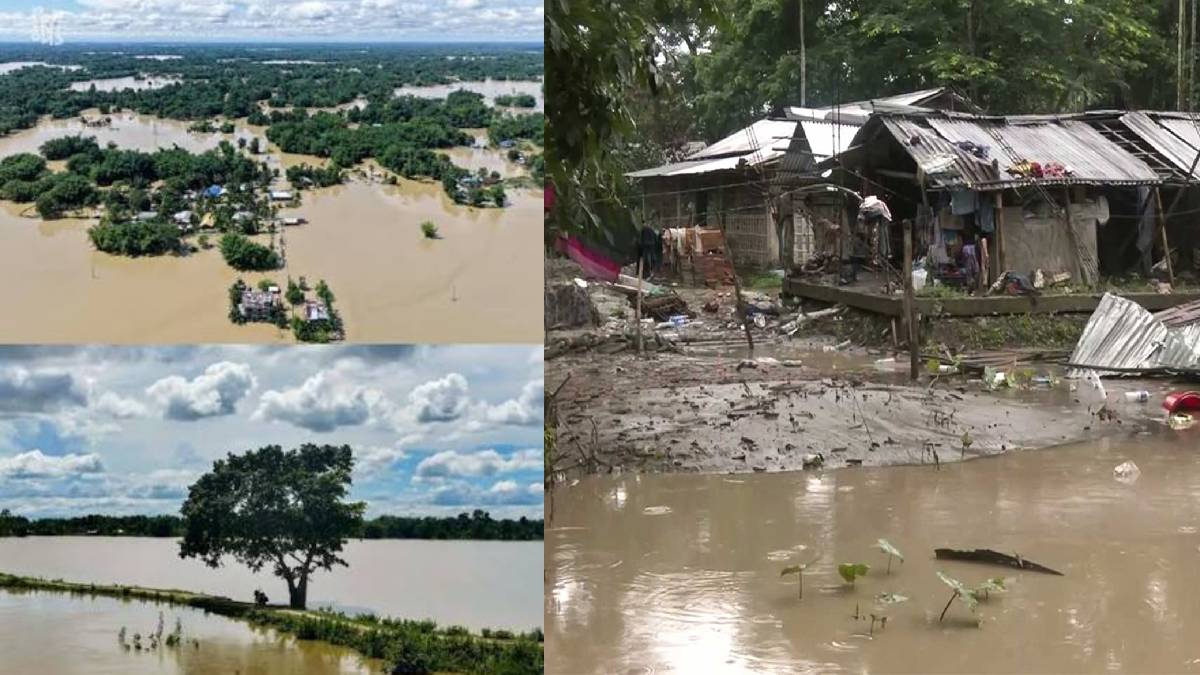
The latest deaths were reported from Golaghat and Udalguri districts, bringing the total number of deaths suffered in this year's floods to 97. Rescue, relief and rehabilitation efforts are ongoing in the affected areas, the government said.
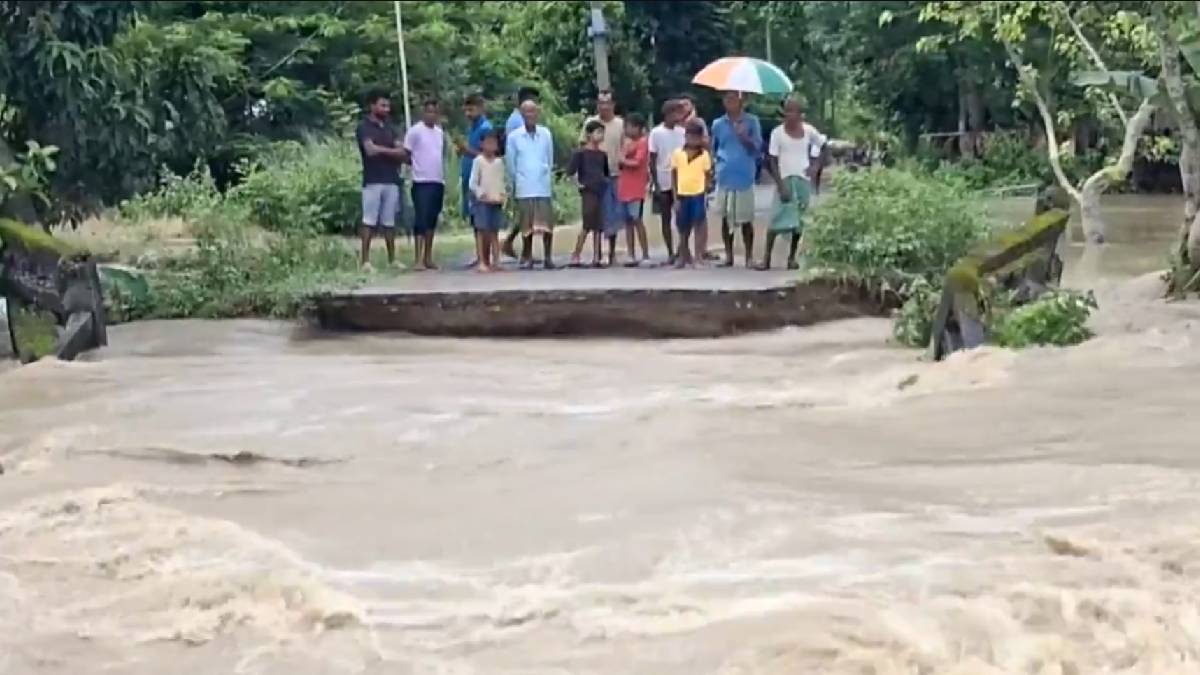
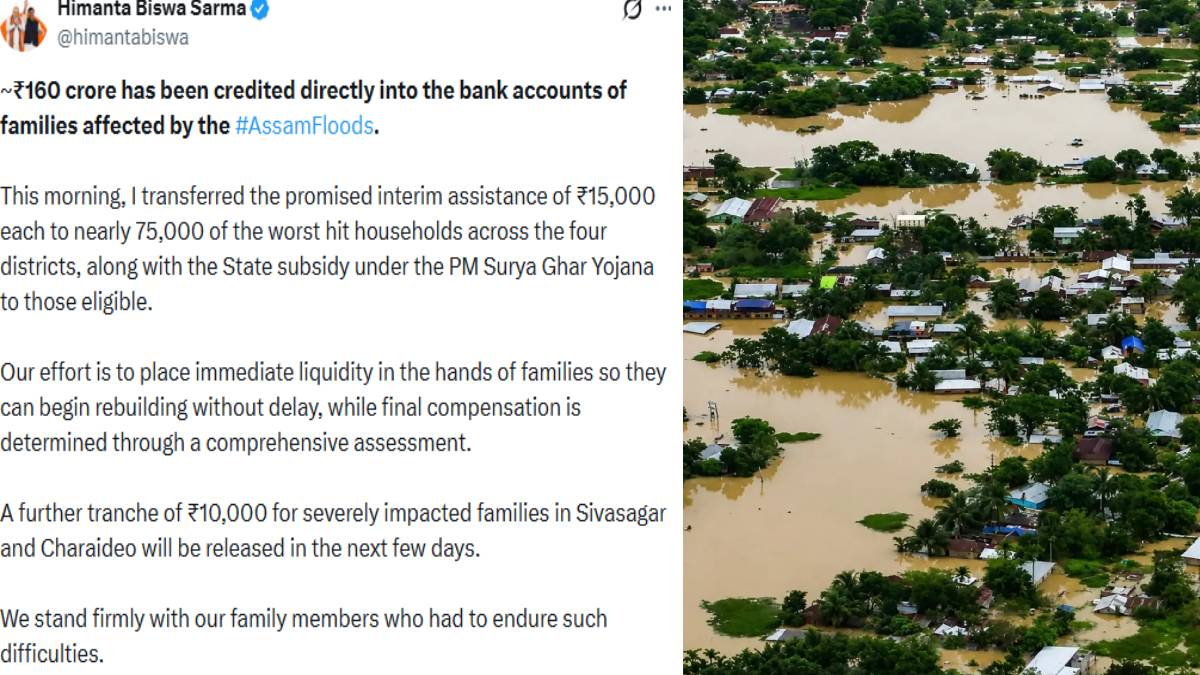
The floodwaters had an impact on a number of districts including Golaghat, Sivasagar, Udalguri, Kamrup Metropolitan, Nagaon, Kamrup, Darrang, Sonitpur, Hojai, Lakhimpur, Biswanath, Jorhat, Charaideo, Karbi Anglong and Dhemaji. The heavy rainfall over the past few weeks has caused rivers to overflow and inundate villages, damage roads, damage power plants and disrupt daily life in the area.
According to officials, Golaghat remains the worst affected district with nearly 54,000 people still affected by the floods. Sivasagar is followed by about 49,000 affected people, while Jorhat has around 27,000 people still suffering from floodwater. Thousands of families are still displaced as floodwater continues to submerge homes, agricultural land and public infrastructure.
However, in a huge relief for commuters and the transportation sector, the Northeast Frontier Railway (NFR) reported that railway connection of Sivasagar district has been completely restored to the railway network in the area. The railway services have been affected for almost two weeks after floodwater damaged railway tracks in the area.
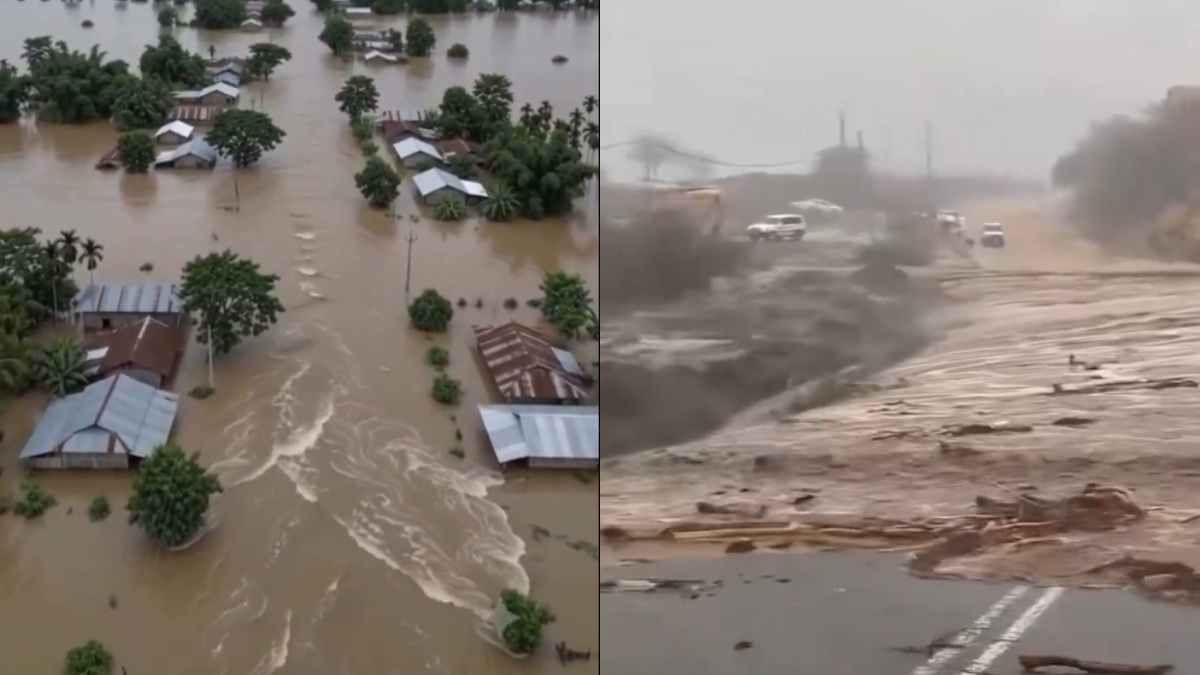
Restoration of the railway service will improve the way in which passengers can travel and transport goods and relief items to the affected areas. The damaged tracks were repaired, and the trains were restarted in this way, and services could start.
State authorities, disaster response teams and local governments are still helping in the relief of the affected people. Rescue teams are still at the front lines, and temporary relief camps have been set up to shelter displaced families. Food and drinking water, medicines and other essential goods are also being distributed in the affected districts.
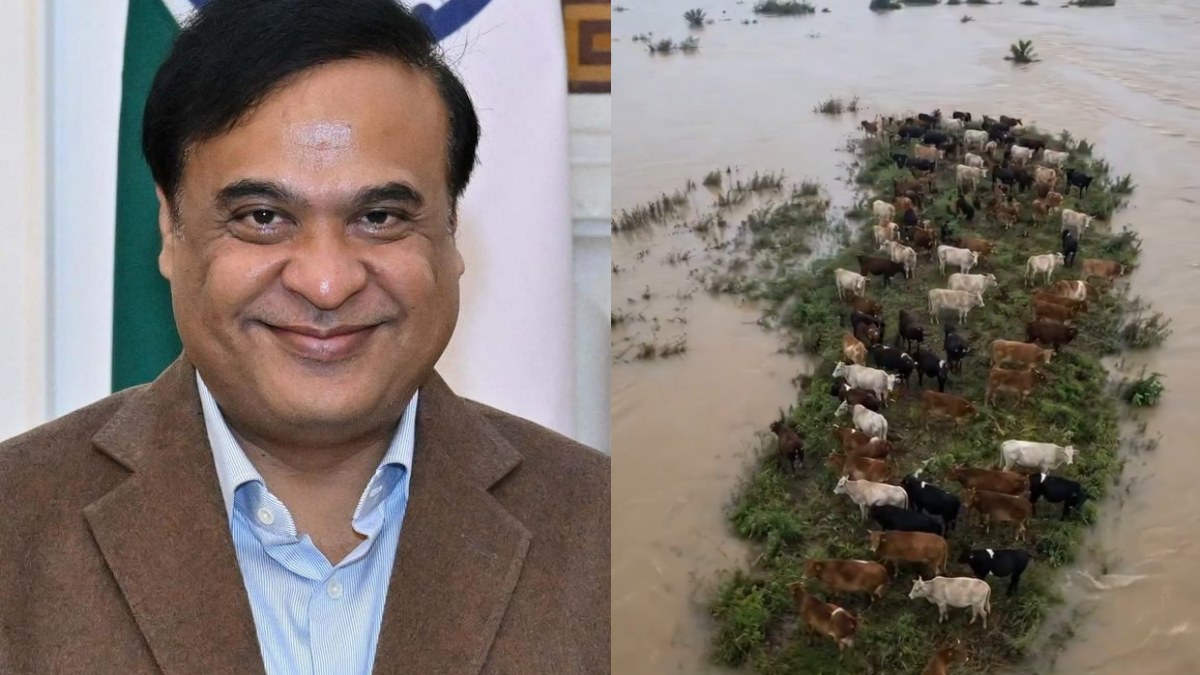
Floods have once again exposed the vulnerability of several low-lying areas in Assam, where annual monsoon rains often flood rivers in the state and cause widespread inundation. The disaster has affected livelihoods in rural areas where agriculture and livestock are the primary sources of income.
They are also keeping an eye on river water levels and weather forecasts for the possibility of further flooding. Residents living in vulnerable areas have been advised to be alert and follow advice from the district administration and disaster management officials.
Although the restoration of railway links is a welcome development, the flood situation is still very serious, and thousands of families are still waiting to regain normalcy. The rescue, relief and rehabilitation activities will continue until the situation is normal in all affected areas, the authorities said.
As Assam goes through one of its worst monsoon seasons in years this year, government agencies and emergency workers continue to work to minimize the impact of the disaster and to help those hit hardest by the devastating floods.